



Buying a used car can save you a ton of money, but when shopping for one, you must be careful of salvage title vehicles and not get tricked into purchasing one.
What is a Salvage Title Vehicle?
A salvage title is a type of vehicle title branding that marks the car or truck as having been significantly damaged, and an insurance company has deemed it a total loss and paid a claim on it. Salvage title laws in the U.S. vary widely from state to state, and each state sets its own criteria for what constitutes a salvage title.
Some of the ways a car or truck becomes a salvage vehicle include:
- Flood damage
- Theft (stolen vehicles)
- Hail damage from hailstorms
- Odometer rollback
In most cases, the salvage title vehicle experienced a severe car crash that damaged it beyond repair. Some law enforcement vehicles and heavily used taxis also become salvage title vehicles due to significant damage over time through use.
Once the insurance company declares the vehicle a total loss and pays the claim, the Department of Motor Vehicles (DMV) or another similar agency within the state issues the car a branded title that says “salvage title” on it. When the DMV issues a salvage certificate, the vehicle cannot be legally registered or driven on public roads, but it can still be sold or transferred. Typically, the car will be taken to a junk or salvage yard and often sold to salvage yards and used for parts.
Salvage Title vs Rebuilt Title: What’s the Difference?
Salvage and rebuilt titles both indicate that a vehicle was heavily damaged at some point, but they represent different stages in the car’s history—and whether it can be driven.
- Salvage title:
This means the car was declared a total loss by an insurance company due to severe damage (such as an accident, flood, or theft). At this stage, the vehicle cannot be legally driven or registered. - Rebuilt title:
A rebuilt title is issued after the vehicle has been repaired, inspected, and approved by the state. Once it passes inspection, it can be legally driven again.- Main difference:
A salvage title means the car is not road legal, while a rebuilt title means it has been restored and is allowed back on the road. - What both titles have in common:
Even after repairs, the vehicle’s history remains. This can reduce resale value, make financing harder, and limit insurance options. - What this means for buyers:
A rebuilt car may be cheaper and usable, but it still carries risk. Always review the vehicle’s history and condition before making a decision.
- Main difference:
Understanding the difference helps you avoid surprises and make a more informed choice when buying a used car.
Why Should You Avoid Salvage Cars?
Although salvage cars may cost way below the fair market value of a similar make, model, and year, they also come with some serious risks. The first is that the car may not be safe to drive. Therefore, unless you have significant experience working on and repairing vehicles, you should seriously consider passing on a salvage title car.
If you cannot afford to buy the car outright, you may have difficulty getting a loan to buy it. This is because banks and other lenders don’t like taking a risk on something they cannot guarantee they will get their money back on. However, it depends on the type of damage the car incurred. For example, if a vehicle was deemed a total loss because of hail damage (which is often cosmetic only), then you might get lucky with financing.
Many insurers won’t even consider insuring a salvage title vehicle, so you might not be able to get it insured, and most states require insurance to drive legally on the roads. If a car insurance company does agree to insure the vehicle after it is rebuilt, they will probably charge you a higher rate for the same insurance coverage.
Another big reason to shy away from a salvage car is resale value. Most auto dealerships will not take a salvaged vehicle as a trade-in, and if you try to sell it privately, you might have a hard time finding a buyer. In the end, the vehicle will not be worth much, and you might have sunk a lot of time and money into something that has retained little to no value.
How Much Does a Salvage Title Lower a Car’s Value?
A salvage title can significantly reduce a vehicle’s value compared to a similar car with a clean title. In most cases, salvage title vehicles sell for about 20% to 40% less, according to Kelley Blue Book. However, the actual value depends on several factors, including the type and severity of damage, the quality of repairs, and overall vehicle condition. For example, a car with cosmetic hail damage may retain more value than one rebuilt after a major accident. Before buying, it’s a good idea to have the vehicle inspected by a trusted mechanic to better understand its true condition and market value.
Does a Salvage Title Affect Insurance?
A salvage title significantly affects insurance options. Vehicles with a salvage title cannot be insured or legally driven until they are fully repaired and inspected by the state. Once rebuilt and issued a rebuilt title, some insurers may offer coverage, but options are often limited, and premiums are typically higher. In many cases, insurers may only provide liability coverage, as it can be difficult to assess the full extent of prior damage.
Can You Remove a Salvage Title from a Car?
No, a salvage title cannot be removed or restored to a clean title. Once a vehicle is branded as salvage, that designation remains part of its history permanently.
However, you do have options. You can sell the vehicle for parts, send it to a junkyard, or repair it and apply for a rebuilt title. To do this, the car must be fully repaired and pass a state inspection through your local DMV or a similar agency. If approved, the title will be updated to “rebuilt,” but it will still reflect its salvage history.
Because title laws vary by state, some vehicles may be moved and re-registered elsewhere to hide their history. This illegal practice is known as “title washing,” and it’s one reason why checking a vehicle’s history through a VIN looku is so important before buying.
How to Restore a Salvage Title
To make a salvage vehicle road legal again, it must be fully repaired and pass a state inspection. This process allows you to apply for a rebuilt title.
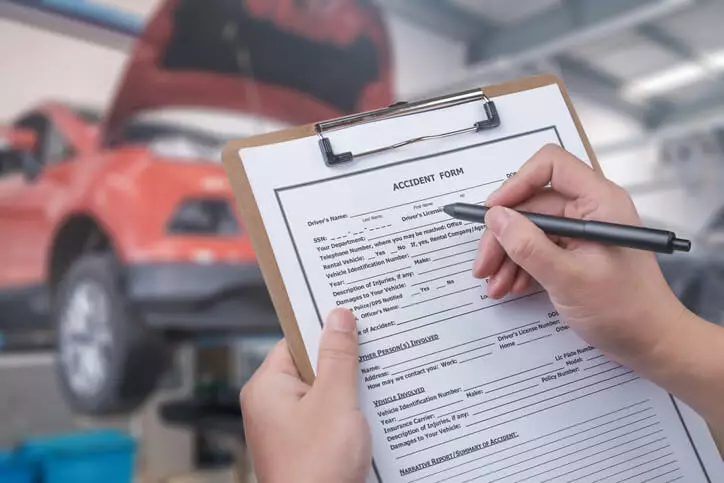
Start by having the vehicle restored to a safe, working condition by a qualified mechanic. You’ll then need to submit documentation to your state, including before-and-after photos, repair estimates, and receipts for parts and labor. Most states also require an inspection to verify that the vehicle meets safety standards, along with a fee to process the application.
Once approved, the vehicle can be registered, driven, insured, and sold. However, even with a rebuilt title, the car will typically have a lower resale value than a similar vehicle with a clean title.

The choice to purchase a salvage title car is yours. However, armed with the information above, you may find that it makes sense to keep shopping and find a vehicle with a clean title history instead. Of course, you can always check a VIN to get a vehicle history report online using the AutoDetective tool to find out if a vehicle has a branded title or was in any accidents.