


Common Odometer-Related Title Brands and What They Mean
- Common Odometer-Related Title Brands and What They Mean
- Why Odometer Brands Matter
- How States Apply Odometer-Related Title Brands
- Odometer Not Actual (NMVTIS Brand Code 69)
- Impact of Odometer-Related Title Brands
- Should You Buy a Vehicle with an Odometer-Related Title Brand?
- FAQs About Odometer-Related Title Brands
- FREE Vehicle Search
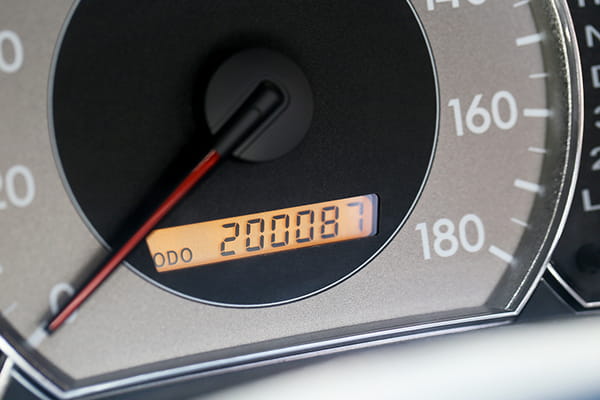
What's one of the main factors to consider when purchasing a used car? It's mileage. An odometer reading helps determine how much the vehicle is worth and can influence financing and extended warranty costs. Even if a car looks perfect, accurate mileage can signal unknown wear or a questionable history.
Odometer-related title brands can lead to situations in which mileage is confirmed to be inaccurate, potentially altered, impossible to verify, or not required to be disclosed. In short, they're warning labels that consumers need to understand.
Let's break down what you need to know about odometer-related title brands.
Why Odometer Brands Matter
Mileage is more than a number on the dashboard. It's a simple way for dealers, buyers, lenders, and insurers to determine a car's usage history. When the mileage is inaccurate or can't be verified, resale value quickly becomes less certain, and doubts arise about the car's condition, maintenance history, and future ownership costs.
Odometer-related title brands standardize records, enabling consumers and others to know whether an odometer reading should be treated as reliable, questionable, or unknown. Keep in mind that federal and state laws prohibit odometer fraud and, in most cases, require accurate disclosure at the time of sale.
How States Apply Odometer-Related Title Brands
State motor vehicle agencies don't all use the same titling terminology, but many rely on standardized odometer-related brand codes reported through the National Motor Vehicle Title Information System (NMVTIS). These codes enable states to share uniform mileage-related details even if precise title language varies.
Below are the different odometer-related title brands (with corresponding NMVTIS brand code) and how select states apply these designations. It's worth mentioning that one title category, Actual (NMVTIS Brand Code 68), isn't highlighted here as states generally don't use this classification. Instead, "Actual" is the presumed default value unless another odometer-related title brand is applied.
-
Odometer Not Actual (NMVTIS Brand Code 69)
-
Odometer Tampering Verified (NMVTIS Brand Code 70)
-
Odometer Exempt from Odometer Disclosure (NMVTIS Brand Code 71)
-
Odometer Exceeds Mechanical Limits (NMVTIS Brand Code 72)
-
Odometer May Be Altered (NMVTIS Brand Code 73)
-
Odometer Replaced (NMVTIS Brand Code 74)
-
Odometer Reading at Time of Renewal (NMVTIS Brand Code 75)
-
Odometer Discrepancy (NMVTIS Brand Code 76)
-
Odometer: Call Title Division (NMVTIS Brand Code 77)
-
Odometer Exceeds Mechanical Limits Rectified (NMVTIS Brand Code 78)
Odometer Not Actual (NMVTIS Brand Code 69)
This title brand indicates that the mileage shown on the odometer is known not to reflect the vehicle's true mileage, often due to discrepancies, repairs, or documentation conflicts.
State |
State-Specific Use / Language |
|---|---|
Arizona |
Uses "Not Actual Mileage - WARNING - ODOMETER DISCREPANCY" as an odometer status. |
Colorado |
Uses "Not Actual" as a defined odometer indicator option. |
Florida |
Uses "Odometer Reading is Not Actual Mileage - Warning Odometer Discrepancy". |
Georgia |
Defines and uses "Not actual mileage" in a titling context. |
Illinois |
Requires sellers to indicate "actual", "not actual", or "in excess of mechanical limits". |
Michigan |
Uses "Not actual mileage - WARNING - ODOMETER DISCREPANCY". |
New Jersey |
Uses "N/A (Not Actual)" and code "(N) - Not actual mileage". |
New York |
Prints "NOT ACTUAL MILEAGE, WARNING ODOMETER DISCREPANCY" on titles. |
North Carolina |
Uses mileage brand "Not Actual Mileage (NAM)". |
Texas |
Uses "Not Actual" when mileage is known to be other than true mileage. |
Virginia |
Uses odometer brand "NOT ACTUAL (N)". |
Washington, DC |
Reports titles branded "Not Actual" in NMVTIS reporting. |
Odometer Tampering Verified (NMVTIS Brand Code 70)
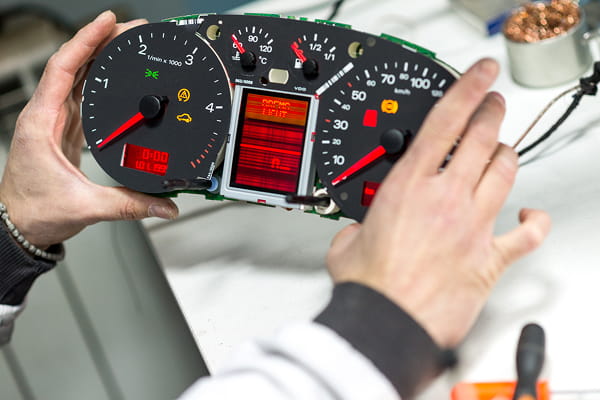
This brand indicates confirmed odometer tampering, where evidence shows the mileage was intentionally altered.
State |
State-Specific Use / Language |
|---|---|
Pennsylvania |
Uses "Not actual mileage - odometer tampering verified". |
Texas |
Uses "Not Actual - Odometer Tampering Verified". |
Wisconsin |
Uses a verified "tampered" odometer status that cannot be removed once applied. |
Odometer Exempt from Odometer Disclosure (NMVTIS Brand Code 71)
This designation applies when a vehicle is legally exempt from mileage disclosure, typically because of its age or type.
State |
State-Specific Use / Language |
|---|---|
Alabama |
Uses "Exempt from mileage disclosure" on odometer forms. |
Arizona |
Uses "exempt from odometer disclosure" in MVD guidance. |
California |
States mileage disclosure is not required for qualifying vehicles. |
Florida |
Uses "exempt from odometer disclosure" in procedures. |
Georgia |
Instructs sellers to enter "exempt" when applicable. |
Illinois |
Uses an "Exempt" checkbox on titles. |
Michigan |
States older vehicles remain exempt from disclosure. |
New Jersey |
Lists explicit odometer disclosure exemptions in MVC documents. |
New York |
Defines age-based odometer disclosure exemptions. |
North Carolina |
Uses "exempt" language in odometer disclosure statements. |
Ohio |
Uses "Exempt from mileage disclosure" on BMV templates. |
Oregon |
States odometer disclosure is not required for certain vehicles. |
Texas |
Uses odometer brand "Exempt from Odometer Disclosure". |
Virginia |
Uses odometer brand codes, including "Exempt (Prior State)". |
Washington |
States qualifying vehicles can receive an odometer exemption. |
Odometer Exceeds Mechanical Limits (NMVTIS Brand Code 72)
This brand indicates the odometer has rolled over or exceeded its designed counting capacity, which is common on older mechanical units.
State |
State-Specific Use / Language |
|---|---|
Delaware |
Uses "In excess of odometer mechanical limits". |
Illinois |
Uses "Exceeds mechanical limits". |
Michigan |
Uses "Mileage in excess of mechanical limits". |
Nevada |
Uses odometer brand "Exceeds Mechanical Limits". |
New York |
Prints "EXCEEDS MECHANICAL LIMITS" on titles. |
North Carolina |
Uses "Exceeds Mechanical Limits (EML)". |
Tennessee |
Uses "In Excess of Mechanical Limits". |
Texas |
Uses "Exceeds Mechanical Limits". |
Virginia |
Uses "Exceeds the Mechanical Limits (E)". |
Odometer May Be Altered (NMVTIS Brand Code 73)
This designation signals potential odometer alteration, where evidence suggests alteration, but verification is inconclusive.
State |
State-Specific Use / Language |
|---|---|
Florida |
Uses "ODOMETER MAY BE ALTERED". |
Massachusetts |
Uses "Odometer May Be Altered". |
Texas |
Uses "Odometer May Be Altered". |
Vermont |
Uses "73 Odometer may be Altered". |
Wyoming |
Uses "Odometer may be Altered". |
Odometer Replaced (NMVTIS Brand Code 74)
This brand indicates the vehicle's odometer was replaced, so recorded mileage may not reflect the vehicle's total lifetime use.
State |
State-Specific Use / Language |
|---|---|
Florida |
Uses "ODOMETER REPLACED". |
Massachusetts |
Uses "Odometer Replaced". |
Texas |
Uses "Odometer Replaced". |
Vermont |
Uses "74 Odometer Replaced". |
Wyoming |
Uses "Odometer Replaced". |
Odometer Reading at Time of Renewal (NMVTIS Brand Code 75)
This designation reflects states that collect odometer readings during registration renewal, not only at title transfer. Many states are excluded from this list because mileage is collected only at sale or title transfer, not renewal.
State |
State-Specific Use / Language |
|---|---|
Delaware |
Requires odometer reporting at registration renewal. |
Nevada |
Collects odometer readings during renewal via pilot program. |
Pennsylvania |
Requires odometer reading for online renewals. |
Odometer Discrepancy (NMVTIS Brand Code 76)
This brand flags a conflict or inconsistency between reported mileage and vehicle history records.
State |
State-Specific Use / Language |
|---|---|
Arizona |
Uses "WARNING - ODOMETER DISCREPANCY". |
Connecticut |
Uses "Warning odometer discrepancy". |
Delaware |
Uses "Warning - Odometer Discrepancy". |
Florida |
Uses "ODOMETER DISCREPANCY". |
Maryland |
Uses "Warning - odometer discrepancy". |
New York |
Uses "WARNING - ODOMETER DISCREPANCY". |
Pennsylvania |
Uses "Warning - Odometer Discrepancy". |
Texas |
Uses "Odometer Discrepancy". |
Virginia |
Uses "WARNING - Odometer Discrepancy". |
Odometer: Call Title Division (NMVTIS Brand Code 77)
This designation indicates unresolved or sensitive odometer issues requiring direct contact with the state titling authority.
State |
State-Specific Use / Language |
|---|---|
Florida |
Uses "77 CALL TITLE DIVISION". |
Texas |
Uses the "Call Title Division" odometer brand. |
Odometer Exceeds Mechanical Limits Rectified (NMVTIS Brand Code 78)
This brand indicates that a previous Exceeds Mechanical Limits designation was later corrected or resolved.
State |
State-Specific Use / Language |
|---|---|
Florida |
Uses "RECTIFY PREV EXCEED MECH LIMIT". |
Vermont |
Uses "Rectify Previous EML Brand". |
Impact of Odometer-Related Title Brands
While odometer-related title brands have different meanings, they all impact how a vehicle is perceived in the marketplace. Car buyers want certainty, which isn't possible if there's a question about mileage.
-
Resale Value: Questions about a car's mileage affect buyer confidence, which in turn lowers prices. If wear can't be connected to the miles driven, consumers will assume the worst.
-
Financing: Lenders want collateral with known value, which odometer issues make less likely. In addition, many finance companies won't offer loans for cars with branded titles.
-
Insurance: Insurance coverage is usually available for a car with an odometer-related title brand. However, you may be limited to a liability-only policy, depending on the brand type and provider.
-
Legal: A seller of a vehicle with an odometer-related title brand could be exposed to federal or state penalties for failing to disclose this condition. Buyers can also run into problems later, including difficulty transferring the title, registering the vehicle in another state, or unwinding a sale once the odometer issue is discovered.
Should You Buy a Vehicle with an Odometer-Related Title Brand?
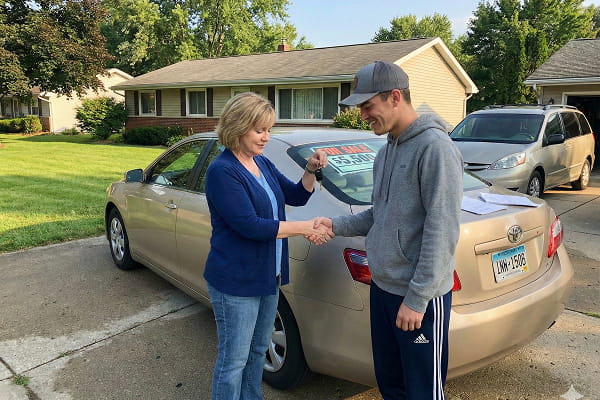
Most odometer-related title brands introduce uncertainty into the buying process. So, making such a purchase can be risky, despite potential price advantages.
Pros |
Cons |
|---|---|
|
|
Buyer Checklist
When a title includes an odometer-related brand, don't treat it like a routine used-car purchase; verify the details first.
-
Review the title first and note the exact odometer-related wording; don't rely on the seller's description of the issue.
-
If the title language is unfamiliar or confusing, or includes something like "Call Title Division", stop and confirm its meaning with the state DMV before proceeding.
-
Obtain a comprehensive vehicle history report from an NMVTIS-approved provider like GoodCar to verify title status and other details about the car's background.
-
Compare the reported mileage with history report data, maintenance records, inspection documentation, and emissions paperwork to determine whether the numbers make sense.
-
Verify the insurance cost before purchasing.
-
Have a trusted mechanic conduct a pre-purchase inspection, paying attention to clues that might indicate actual mileage and notable wear-and-tear areas.
FAQs About Odometer-Related Title Brands
Odometer-related title brands and state procedures can vary and may change. Before purchasing or transferring a vehicle with one of these designations, confirm the meaning and implications with the applicable DMV.
- Common Odometer-Related Title Brands and What They Mean
- Why Odometer Brands Matter
- How States Apply Odometer-Related Title Brands
- Odometer Not Actual (NMVTIS Brand Code 69)
- Impact of Odometer-Related Title Brands
- Should You Buy a Vehicle with an Odometer-Related Title Brand?
- FAQs About Odometer-Related Title Brands
- FREE Vehicle Search
FREE Vehicle Search
- Accidents
- Problem Checks
- Title Records
- Recalls
- Values
- Specs


-
 InfoPay, Inc. (dba GoodCar) is an Approved NMVTIS Data Provider
-

-
