


"Prior Non-Repairable" / "Repaired" Title Brand: From Irreparable to Road-Ready
- "Prior Non-Repairable" / "Repaired" Title Brand: From Irreparable to Road-Ready
- What Is a "Prior Non-Repairable" / "Repaired" Title Brand?
- How Does a Vehicle Get a "Prior Non-Repairable" / "Repaired" Title Brand?
- Sub-Types / Related Title Brands
- Who Assigns the "Prior Non-Repairable" / "Repaired" Title Brand and Where It's Recorded
- How States Handle the "Prior Non-Repairable" / "Repaired" Brand
- Impact of a "Prior Non-Repairable" / "Repaired" Title Brand
- Should You Buy a "Prior Non-Repairable" / "Repaired" Vehicle?
- FAQs About "Prior Non-Repairable" / "Repaired" Title Brand
- FREE Vehicle Search
The typical consumer is unlikely to encounter a title brand when car shopping. It's not an issue when buying new, and better dealers avoid selling used vehicles with these qualifiers. Nonetheless, understanding the significance of a title brand helps you make a more informed purchasing decision. Simply put, a title is a record of something significant that occurred in a car's past. This information may appear on the printed title certificate or in the electronic title history based on the vehicle identification number (VIN).
There are dozens of title brands. These designations can reflect prior use, such as a taxi or police vehicle, or apply to a unique classification like a classic or antique car. Still, many brands signify some type of damage; common categories in this area include "Salvage", "Flood", or "Rebuilt". However, some designations are associated with more severe outcomes, preventing the car from returning to the road. That's the scenario behind the "Prior Non-Repairable" / "Repaired" Title Brand.
What Is a "Prior Non-Repairable" / "Repaired" Title Brand?
State motor vehicle agencies issue title brands and report them to the National Motor Vehicle Title Information System (NMVTIS). This federal database uses a numeric code for each brand description. Prior Non-Repairable / Repaired is Brand Code 52, which is defined as: "a vehicle constructed by repairing a vehicle that has been destroyed or declared to be Non-Repairable or otherwise declared to not be eligible for titling because of the extent of damage to the vehicle but has been issued a title pursuant to state law after falling within this criterion with this brand on the face of the certificate of title".
That's a longer way of saying the car was once classified as Non-Repairable, but was later rebuilt and determined to be roadworthy again. Normally, a Non-Repairable brand is the end of the road for a vehicle. It will be dismantled for parts or scrapped because the level of damage is too costly to repair.
In some situations, a state will allow a vehicle to transition from Non-Repairable to Repaired. When this happens, the rebuilt vehicle is treated differently from a typical salvage restoration. Instead, the DMV assigns this hybrid title brand to call attention to the car's previous and current condition.
The wording matters. "Prior Non-Repairable" tells buyers and future owners that the vehicle was once ineligible to be driven on public streets. "Repaired" indicates that it eventually became roadworthy, but it doesn't disclose the car's previous status. This combined label eliminates any guesswork. An educated buyer who comes across this title brand will know that the car was repaired following significant and previously terminal damage.
Importantly, most states don't actively use the Prior Non-Repairable / Repaired Title Brand, but a few do. This is covered later.
How Does a Vehicle Get a "Prior Non-Repairable" / "Repaired" Title Brand?
Application of the Prior Non-Repairable/Repaired Title Brand usually follows a sequence of events that can vary by state. However, the general path looks like this:
1. Non-Repairable Status Assigned
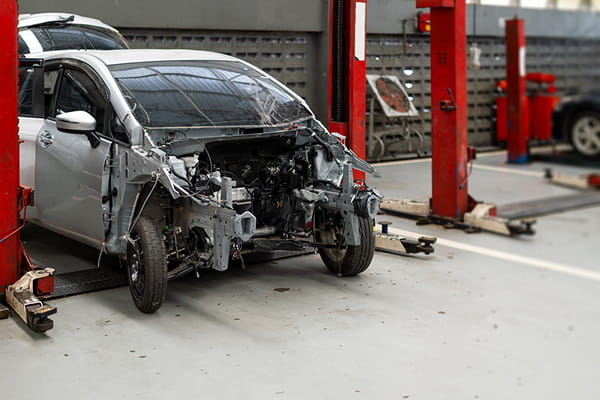
The vehicle sustains severe damage, often from a collision, fire, or similar incident, and the state motor vehicle agency assigns a Non-Repairable title brand after an insurance company declares a total loss. The car can't be titled or registered for road use under this status and is generally limited to parts or scrap.
2. Repairs Completed
As permitted by state law, the car is repaired by the owner or subsequent buyer. Restoration work is often more involved than rebuilding a Salvage vehicle; the car must be made safe enough to reverse a previously unrecoverable status.
3. Inspection and Documentation
The repaired vehicle undergoes a comprehensive inspection. Requirements usually include detailed documentation verifying the repairs and the sourcing of parts. Photos and receipts are part of the extensive paperwork process.
4. Title Approval and Rebranding
If the vehicle passes inspection, the DMV will issue a new title enabling registration and return to legal road use. This retitling doesn't erase the Non-Repairable classification, but integrates it into the combined designation: Prior Non-Repairable / Repaired.
Sub-Types / Related Title Brands
Overlapping labels can make it difficult for consumers to understand what a title brand means. The confusion stems from different state DMV systems that attempt to distinguish between damage levels and permissible repairs. Two vehicles can appear the same on the outside and have similar damage and repair histories, but have different outcomes. Let's explore these related categories.
Prior Non-Repairable / Irreparable
As the name implies, this label indicates a vehicle not eligible for road use, regardless of future repairs. Once this brand applies, the car generally becomes a parts donor or scrap metal and does not return to road use.
Prior Non-Repairable / Repaired
In rare instances, a once Non-Repairable car becomes road-use eligible through a comprehensive repair and inspection process.
Salvage / Total Loss
The Salvage Title Brand usually reflects major damage that costs more to repair than the vehicle is worth (or repair costs exceed a specific value threshold). However, it's not unusual for these vehicles to be repaired and returned to the road.
Rebuilt / Reconstructed
A Rebuilt title is typically assigned to a Salvage Title vehicle that's been repaired and passed inspection. Unlike a Prior Non-Repairable / Repaired brand, a Rebuilt title almost always originates from a Salvage classification, not from a Non-Repairable status.
Who Assigns the "Prior Non-Repairable" / "Repaired" Title Brand and Where It's Recorded
State motor vehicle agencies issue title brands. Each DMV creates the record, prints or transmits the title brand, and reports the status to NMVTIS. These designations are associated with the VIN, not the vehicle owner. Once issued, the brand remains on the permanent title record, even if the vehicle is retitled in another state.
Visibility of a title brand depends on the state:
-
Label appears on the printed title certificate
-
Designation is entered in electronic title records (even if the information doesn't appear on the physical document)
-
Brand is captured in NMVTIS and available through VIN-based vehicle history reports (information is permanent even if the vehicle is later retitled in another state)
How States Handle the "Prior Non-Repairable" / "Repaired" Brand
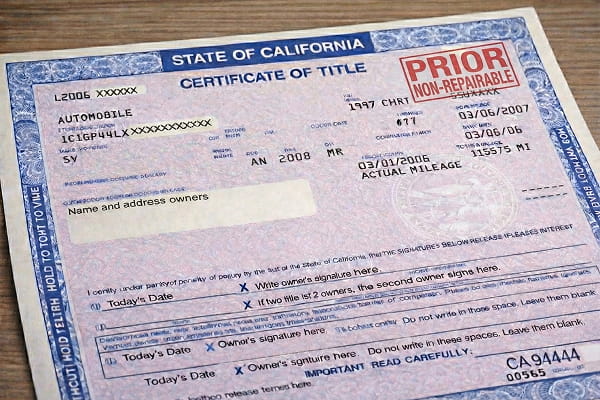
Only two states, Nebraska and Texas, have publicly documented processes that align with NMVTIS Brand Code 52, Prior Non-Repairable / Repaired.
State |
State Brand Label |
Connection to NMVTIS Brand Code 52 |
|---|---|---|
Nebraska |
Prior Non-Repairable/Repaired (brand code P) |
DMV issues a brand equivalent to Code 52 |
Texas |
Rebuilt Salvage |
TXDMV converts an incoming Code 52 to a Rebuilt Salvage designation |
Other states address similar damage history through different branding, but none use a title-brand equivalent to NMVTIS Brand Code 52.
Impact of a "Prior Non-Repairable" / "Repaired" Title Brand
A title brand can impact car buying and ownership. This is especially the case with the Prior Non-Repairable / Repaired designation due to the car's extensive damage and repair history.
Resale Value
A car with a damage-based title brand will almost always be worth less than a comparable clean-title equivalent. Kelley Blue Book estimates that a title brand reduces resale value by 20-40%. Even for a car that looks and runs well, a Prior Non-Repairable / Repaired classification may not be worth the risk for some shoppers, regardless of the selling price. The uncertainty can be a turn-off.
Financing
Traditional lenders rely on collateral value to back up a car loan in the event of a borrower's default. Resale values of vehicles with title brands are unpredictable, making financing riskier for banks and credit unions. As a result, securing a loan when a Prior Non-Repairable / Repaired designation is involved may be difficult, if not impossible. Purchasing may require paying cash or taking out an unsecured personal loan.
Insurance
Some insurers avoid covering cars with an extensive damage history because of uncertainty about valuation and operating condition. You may have to shop around for a specialty provider familiar with non-standard vehicles. Premiums may be higher, and liability-only coverage may be the sole option available.
Registration
Eligibility for street use will depend on the jurisdiction and the requirements for reversing the Non-Repairable status. The original Non-Repairable status may influence how the vehicle is classified during future transfers, especially if it crosses state lines.
Should You Buy a "Prior Non-Repairable" / "Repaired" Vehicle?
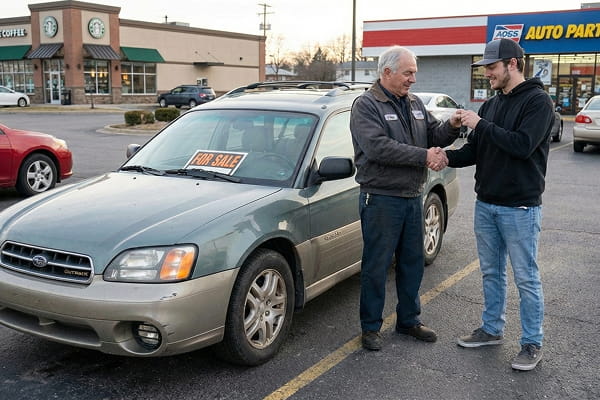
Purchasing a car with a Prior Non-Repairable / Repaired or similar title brand is automatically a bad deal or a smart buy. You'll need to assess the trade-offs before moving forward and fully understand what this designation means compared to other damage-related title brands.
Pros |
Cons |
|---|---|
|
|
Buyer's Checklist
Purchasing a vehicle with a Prior Non-Repairable / Repaired Title Brand requires greater diligence than a standard used car transaction. These cars have moved from non-roadworthy status to legal use, which likely required substantial repairs and jumping through regulatory hurdles. Your evaluation should include:
-
Review the Title: Confirm what branding exists on the current title certificate.
-
Order Title Report: Most DMVs offer an inexpensive title report to verify current and past branding.
-
Run a VIN Search: Using an NMVTIS-approved provider like GoodCar, purchase a comprehensive vehicle history report to validate current and past title status.
-
Assess Documentation: Examine photographs, repair logs, parts receipts, and other records to determine the scope and quality of the restoration work. Seeking professional advice may also be helpful.
-
Inspect the Vehicle: Have a qualified mechanic (or body specialist) evaluate repair quality and overall operating condition.
-
Confirm Registration Eligibility: Verify with your state motor vehicle agency that the car is eligible for registration and street use. This step is especially crucial if retitling across state lines.
-
Check Insurance Options: Confirm that the car is insurable and at what cost.
FAQs About "Prior Non-Repairable" / "Repaired" Title Brand
Regulations aren't identical from state to state, and they evolve. Before buying or registering a vehicle with this or any title brand, check with your DMV to confirm the current titling, insurance, and road-use rules where you live.
- "Prior Non-Repairable" / "Repaired" Title Brand: From Irreparable to Road-Ready
- What Is a "Prior Non-Repairable" / "Repaired" Title Brand?
- How Does a Vehicle Get a "Prior Non-Repairable" / "Repaired" Title Brand?
- Sub-Types / Related Title Brands
- Who Assigns the "Prior Non-Repairable" / "Repaired" Title Brand and Where It's Recorded
- How States Handle the "Prior Non-Repairable" / "Repaired" Brand
- Impact of a "Prior Non-Repairable" / "Repaired" Title Brand
- Should You Buy a "Prior Non-Repairable" / "Repaired" Vehicle?
- FAQs About "Prior Non-Repairable" / "Repaired" Title Brand
- FREE Vehicle Search
FREE Vehicle Search
- Accidents
- Problem Checks
- Title Records
- Recalls
- Values
- Specs


-
 InfoPay, Inc. (dba GoodCar) is an Approved NMVTIS Data Provider
-

-
