

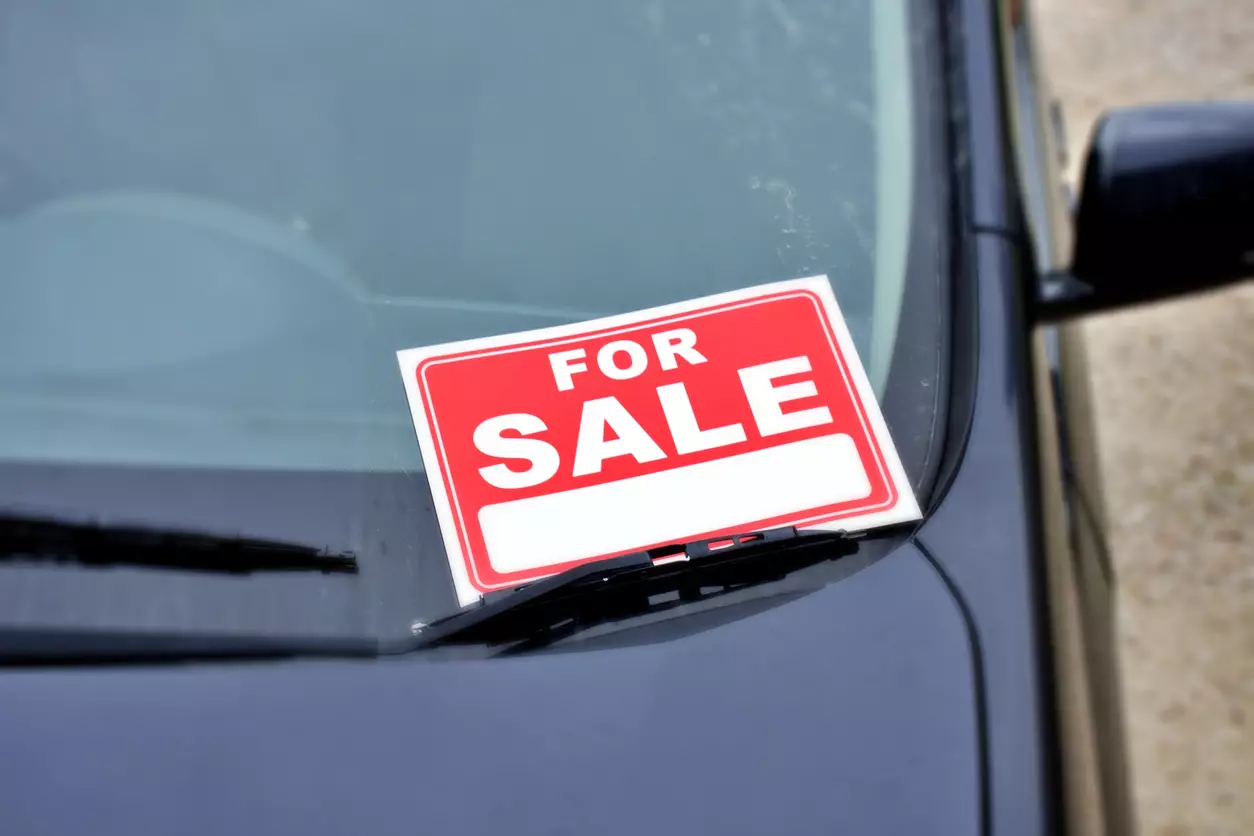

Selling your car at the right time can earn you extra money. You may have wondered, “Is it better to sell my car in summer or winter?” The best time to sell a vehicle depends on several predictable factors. From mileage and season to market demand, the timing of a vehicle sale can increase or decrease its resale value.
Selling your car before it reaches a major mileage milestone can add thousands of dollars to its resale value. If you wait until after that milestone, the vehicle may have lost more of its value. While all-wheel-drive (AWD) models and trucks see stronger demand in colder months, family cars and convertibles tend to sell faster and for higher resale value in spring and early summer. The market will work in your favor if you sell your vehicle whenever used car demand spikes.
Knowing the best times of the year to sell a car and understanding how market conditions, mileage, and age affect resale value are just as important as knowing how to sell it. You can check your car’s current market value and other history reports using GoodCar’s Vehicle VIN Check to determine its worth before listing it.
Why Timing Matters in Selling a Car
A car’s resale value changes over time due to factors such as depreciation, seasonal trends, and buyer demand. You can add thousands to your return by selling your vehicle at the right time. Otherwise, the car’s value may drop significantly. Selling at the right time requires understanding how depreciation, seasonal trends, and buyer demand are interconnected.
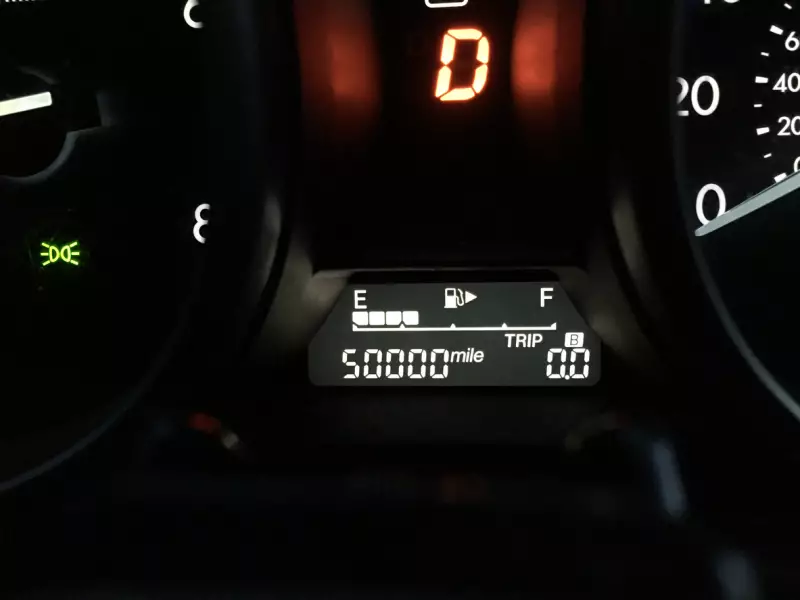
Cars generally depreciate as they age, but not at a constant rate. Depreciation peaks in the first few years and slows down over time. However, resale value drops significantly at certain mileage milestones, such as 30,000 miles, 60,000 miles, and 100,000 miles. The largest dip in resale value occurs at 100,000 miles. Selling your car before it reaches this point helps you maximize your return.
Seasonal trends influence which types of vehicles sell fastest and when. Timing your car sale to match these trends can drive traffic to your listing and secure a better price. The best time of the year to sell your pickup trucks, SUVs, and AWD models in snowy regions is during fall or winter. For hybrids, sedans, family vehicles, or convertibles, wait until spring or summer when buyers are actively searching for these types of vehicles and are willing to pay a premium.
Selling your car when there is strong demand in the used car market also helps you maximize your return. Colder states often experience increased demand for SUVs, AWD vehicles, and trucks during fall and winter. In contrast, fuel-efficient cars and convertibles are buyers’ favorites during spring and early summer. Furthermore, there is usually a spike in used car demand during tax season, from February to April, when most buyers use their refunds as deposits.
Recognizing these major shifts and listing your car at the right moment makes the vehicle more appealing to buyers and helps you command premium offers.
The Best Times of Year to Sell a Car
People often ask, “When is the best time to sell my car?” While this depends on seasonal demand, it also comes down to your selling goals and the type of vehicle. Demand in the used car market follows determinable cycles every year. Listing your car during a season when buyers are most motivated and willing to pay top dollar for the vehicle type helps you sell it quickly and maximize your return.
You can time your car sale around any of the following seasons for the best return, based on the type of vehicle you drive:
- Fall and Early Winter - Traction is always a priority in areas with frequent rain and snow during fall and early winter, typically from October through December. Utility vehicles and off-road models become the favorites during these times, as drivers anticipate tougher off-road conditions and choose performance over luxury. Listing your SUV, crossover, pickup truck, or AWD vehicle during this period can attract motivated buyers in rural areas or northern states, helping you maximize your return.
- Spring and Summer - If you are selling a sedan, hybrid, family vehicle, or convertible, spring and early summer, typically between March and July, can be the best window to maximize your return. This period often sees a surge in used car demand among young buyers purchasing their first cars and families preparing for vacation as temperatures rise. Listings with fuel economy and low mileage tend to move quickly during this period.
Before listing your vehicle during this period, estimate its worth using GoodCar’s Vehicle Check, so you do not sell below market value.
- Tax Season - If you are considering selling your car and your goal is to reach cash-ready buyers, tax season offers you an excellent opportunity. Listing a vehicle between February and April, when many Americans receive tax refunds, is a smart move because shoppers are ready to buy immediately. During this period, buyer demand increases significantly, and most buyers are willing to use their refunds as down payments or full payments for cars.
- End of Year - November through December can be a good time to trade in your old vehicle rather than sell it privately. While resale prices may not be high during this period, especially in late December, it is often more convenient and time-saving to trade in a vehicle towards the end of the year. Typically, trade-ins are easier, as most dealerships are eager to clear inventory to create space for new-year models, potentially leading to competitive trade-in offers and, sometimes, bonus incentives.
When Your Car’s Mileage & Age Make a Difference
Mileage and age remain the leading determining factors of your car’s resale value. Vehicles tend to lose their resale values once they cross certain mileage thresholds and as they get older, even if they still look great and are in good condition. Timing your car sale before the following depreciation milestones or mileage thresholds can make a big difference:
- Around 30,000 miles - Vehicles under 30,000 miles are often considered fairly new and command better resale values. Once your car crosses this threshold, it becomes a used vehicle. Selling it while still under 30,000 miles can be more profitable if you are planning to upgrade early.
- Around 60,000 miles - A car’s value drops significantly and more noticeably at this point, as maintenance costs begin to rise. This typically impacts its resale price.
- At or after 100,000 miles - Once your vehicle passes the 100,000-mile threshold, the resale value dips drastically and is perceived as less reliable. It is advised to sell a car before this milestone, when it can still attract higher offers and more buyers.
A vehicle’s age also impacts its resale value. When you hold on to your car for too long, depreciation takes its course, eroding its resale value over time. Most vehicles’ values decline by about 20% to 30% in the first year and by around 50% to 60% within five years. The best time to sell your car is between the first three and five years, when it is still under warranty and appears modern.
Depreciation slows as your car reaches six or eight years of age, but at this point, the vehicle’s resale value plateaus. If you sell it before this point, you can still make a good return, especially if the car’s factory or extended warranty has not expired. Selling it later than seven or eight years can significantly lower the vehicle’s resale value.
If you are planning to sell your vehicle, do so before its warranty expiration or major depreciation milestones (100,000 miles or after seven to eight years). Vehicles listed under these milestones are perceived to be more reliable and often appeal to a wider pool of buyers in the used car market, giving sellers a better negotiating advantage.
Market Conditions That Can Boost Your Sales
Market conditions matter just as much as season or mileage in determining the best time to sell your car. Understanding how certain market forces operate helps you decide whether to sell a vehicle now or later.
Here are some market forces that can help boost your car sales:
- High Used Car Demand - Learn to capitalize on circumstances such as interest rate changes, economic shifts, and new car shortages to boost your vehicle sale and make decent returns. Even a well-maintained old car can yield high returns during these periods because there is usually a spike in demand.
- Supply Chain Issues - Supply chain disruptions also drive people to the used car market and often create temporary price surges. When there are supply issues like shortages of batteries or microchips, car manufacturers cannot produce enough new vehicles to meet demand, pushing buyers to look toward the used car market. The resulting strong demand for used cars during these periods can boost your vehicle’s value, indicating that it is the right time to sell your car.
- Gas Price Spikes - Buyers typically favor fuel-efficient cars such as electric vehicles (EVs), hybrids, and compact sedans during gas price spikes, while demand for SUVs and trucks plummets. If you own one of these vehicle types and intend to sell it, one of the best times to sell your car is when fuel costs rise, because you have a strong advantage in the market.
- Regional Factors - Vehicle demand generally varies by climate. As a result, where you live can influence when to sell your car. In colder regions, you will attract premium offers from buyers planning for winter driving conditions if you list your all-wheel-drive (AWD) model or SUV between October and November. Conversely, if you wait until spring and summer to sell your compact sedan or convertible in southern and coastal states, you have a high chance of earning more from the sale.
Before listing your car, regardless of the market condition, confirm its current worth or market value using GoodCar’s Vehicle VIN Check to avoid underselling.
Personal Factors That Signal It’s Time
Sometimes, cost- and lifestyle-related changes are all you need to know it is time to sell your car. When keeping your current vehicle no longer makes practical or financial sense, selling it might be the best decision, and holding on to it for much longer may result in a financial mistake or further reduce the resale value.
The following personal factors are some of the biggest indicators that it is time to sell your car:
- The Vehicle No Longer Meets Your Needs - Lifestyle changes may require that you replace your current vehicle with something that fits your new needs. When your current car no longer supports your lifestyle, that is a sign that it is the best time to sell it and get one that fits your needs.
For example, if your routine suddenly changed and you will have a longer daily commute, it might be time to sell your large SUV and buy a compact, fuel-efficient sedan. In contrast, a compact sedan might no longer meet your space needs as your family expands. In this case, it is probably time to sell the small sedan and replace it with an SUV.
- More Frequent or Expensive Repairs - Expensive repairs are clear signs that it is time to sell your car, as they can drain your wallet and lower your vehicle’s resale value. If your car requires more maintenance and the repair bills are increasing faster than the vehicle’s value, it is time to decide whether keeping it still makes financial sense.
- Desire for the Latest Safety or Tech Features - If you believe your current car lacks the comfort, safety, and tech features you want, consider selling it while it still has good trade-in or resale value. Vehicles without safety or tech features such as touchscreen infotainment systems, blind spot monitoring, adaptive cruise control, and lane-keeping assist can lose value quickly.
- Rising Insurance Rates - Insurance rates tend to increase as a vehicle gets older. If your insurance company has raised your premiums or stopped offering discounts due to age, that is a cue that it is the best time to sell it. Selling or trading it in could save you thousands in the long run.
How to Prepare Your Car Before Selling
Buyers are generally more confident paying a premium for well-maintained vehicles with documented proof of no accident history. To increase your car’s resale value and secure the best price for your used car, you should prepare it to appeal strongly to potential buyers.
Whether you are selling or trading in your vehicle, use the following car-selling checklist to help maximize your return:
- Clean and detail your car inside and out before selling, and if needed, invest in professional detailing to make a strong first impression with buyers.
- Check for minor issues such as small scratches, low tire tread, and burnt-out bulbs, and address them to increase the car’s resale value before listing it.
- Gather all maintenance and service records, organize them, and present them to potential buyers to increase their confidence in your car listing.
- Run a VIN report using GoodCar’s Vehicle VIN Check. Document the vehicle history report and show it to potential buyers to demonstrate the car has a clean history.
- Get the best price for your car by comparing multiple offers from private buyers and dealership trade-ins to understand what the vehicle is worth before selling it.
FAQs About the Best Time to Sell a Car
Below are answers to some of the most frequently asked questions about when to sell a car:
Is it Better to Sell in Summer or Winter?
Summer is usually the best time to sell a car. Warmer months often attract the most buyers and result in faster sales.
Does Trading in or Selling Privately Get More Money?
Private buyers are usually willing to pay close to a vehicle’s market value. As a result, selling your car privately is more likely to yield a higher return than trading it in.
How Do Gas Prices Affect Resale Value?
Fuel costs typically have a direct impact on a used car’s resale value. Buyers tend to shift toward fuel-efficient compact vehicles when gas prices rise, increasing their resale value, especially if they are in good condition. In contrast, buyers often return to larger vehicles when gas prices drop, increasing their market demand and resale value.
When Do Cars Lose Value the Fastest?
Vehicles lose value the fastest within the first few years of ownership, typically between one and five years. Most cars lose 20% to 30% of their value within the first year and around 50% by the third to fifth year.
Should I Sell My Car Before It Hits 100k Miles?
Yes, one of the best times to sell your car is before it reaches 100,000 miles. After crossing this threshold, the resale value drops significantly, and most buyers consider it a higher-risk purchase.
How Do I Check My Car’s Value Before Selling?
You can check your car’s estimated market value before selling or trading it in by using tools like GoodCar’s Vehicle VIN Check.