

A sudden crack or the sight of shattered glass is a heart-sinking moment for any car owner. Whether the damage is caused by an accident, a break-in, flying road debris, or severe weather, the first questions are almost always “What do I do now?” and “How much will this cost me?”
Unfortunately, there is no one-size-fits-all answer. You see, costs can vary widely depending on the specific window that broke, the type of car you drive, the kind of glass required, and whether the damage can be repaired or if a full replacement is necessary.
Let’s take a look at average car window replacement costs, the key factors that drive prices up or down, and walk you through practical steps to help you get your car whole again.
Average Cost to Replace a Car Window
Replacing a car window can cost you anywhere from $150 to $1,000 or more, depending on the type of vehicle, which window is damaged, and whether advanced features such as rain sensors, defrosters, or driver assist systems are integrated. Factors like the extent of the damage, the quality of glass used, and local labor rates also influence the final price.
Cost for Side Windows
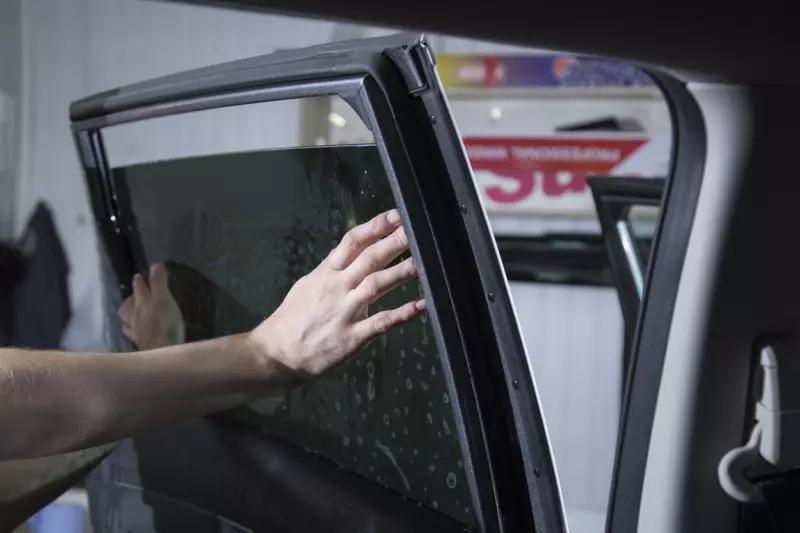
Side windows are usually the least expensive to replace.
- Typical Price Range: $150 - $400 (higher for premium/luxury vehicles).
- Why They’re Cheaper:
- Typically made from tempered glass, which is simpler to manufacture than windshield glass.
- Installation is usually more straightforward than other window types.
- Advanced sensors or calibration are rarely required.
Cost for Rear Windows
Replacing the rear windshield or back glass is a step up in price.
- Typical Price Range: $200 - $800+
- Why They Cost More:
- Larger size increases material costs.
- Features like defrost systems, heating elements, embedded antennas, and wiper/washer systems add complexity.
Cost for Vent or Quarter Windows
Despite their size, vent windows (the small triangular windows near the mirrors) and quarter windows (the small rear-side windows) can be surprisingly expensive.
- Typical Range: $200 - $700+
- Why They’re Expensive:
- Limited availability drives up costs.
- Precision installation is required due to tight mounting spaces and unique shapes.
- Labor time is usually longer.
Cost for Windshields
Windshields are the most common replacements and are almost always the most expensive piece of glass on your car. However, their pricing varies more than other window types.
- Typical Range:
- Full Replacement: $250 - $1,500+
- Chip/Crack Repair: $50 - $150
- Why Prices Vary:
- Replacements for older/basic vehicles are cheaper, while modern cars with rain sensors, solar tinting, acoustic insulation, and other similar features cost more.
- Windshields with advanced driver-assistance systems (ADAS), such as automatic emergency braking or lane keeping, require recalibration, which usually tacks on an additional $150 - $450 to the bill.
- Small chips and short cracks can often be repaired for a fraction of full window replacement costs.
Factors That Affect Replacement Cost
Several factors influence car window replacement costs. Understanding these variables will help you make sense of any quote you receive and identify where you can potentially save.
Type of Window and Glass
Window and glass type have a big impact on price:
- Tempered Glass: Typically used on side and rear windows. It is much stronger than regular glass and shatters into small, dull-edged pieces when it breaks. Tempered glass is generally cheaper and faster to replace than other glass types.
- Laminated Glass: Standard for windshields and sometimes used on side windows in high-end vehicles. It’s stronger and more durable than tempered glass, cracks in a "spider web" pattern but holds together on impact, and may also support repairs for minor damage. Laminated glass is more expensive and complex to replace.
- Acoustic or Solar Glass: Some high-end vehicles may use specialty glass that offers UV filtering, improved temperature control, and noise reduction. These upgrades significantly increase replacement costs.
Car Make and Model
The make and model of the car also significantly impact window replacement costs:
- Luxury & Performance Vehicles: Windows for luxury brands like Mercedes, BMW, Audi, Porsche, or Tesla often cost more because these vehicles typically require OEM glass. This glass sometimes features special coatings, has to be sourced from specific manufacturers, and often comes with a significant brand premium. The final cost is further increased by higher labor rates, which are necessary due to the vehicle's design complexity.
- Newer Models: Glass for brand-new model-year cars can be pricier until the aftermarket parts become available.
- Older/Rare Vehicles: Replacement glass for vintage and rare/custom car models may be harder to source and often require special ordering, driving up costs.
- Large Vehicles: Trucks, minivans, full-size SUVs, and other similar large-sized vehicles have bigger windows. This means more material and longer installations, which usually equals higher costs.
- Body Style Complexity: Convertibles, panoramic roofs, and unique angles add complexity and expense.
- Added Features: Car trims with specialized glass, embedded sensors, and other added features or technologies can cost up to double the price for replacement compared to standard models.
Labor Rates
Labor makes up a large portion of window replacement costs, and rates can vary widely depending on:
- Region/Location: Shops in urban centers and areas with a high cost of living usually have higher rates than those in rural towns.
- Shop Type: Dealerships typically charge more for labor (and parts) than independent auto glass specialists or national chains.
- Technician Experience: You’re paying for skilled work, which will definitely show up in your final bill. Experienced technicians command higher rates, especially for complex jobs, but usually deliver better results.
Additional Technology
Modern car windows often include built-in features, such as:
- Rain sensors
- Defrost/defog grids
- Heating elements
- Blind spot sensors
- ADAS cameras
- Integrated antennas
- Heads-up display coatings
- Factory tints
These features require additional steps (calibration, electrical reconnection, special adhesives, etc.) to install correctly, which adds to both labor and overall window replacement cost.
Emergency or Mobile Service
Many glass shops offer mobile repair services, where a technician does the work at your home, work, or a roadside location. While convenient, it can add an extra $25 - $100 to your bill, with additional fees for late-night or after-hours service. If you need them to come to a remote area or require an immediate replacement due to safety or weather concerns, expect prices on the higher end.
Replacement vs Repair: When Do You Need Each?
Not all damage requires a full window replacement. In some cases, a repair is enough, and knowing when can save you hundreds of dollars.
Repairable Damage
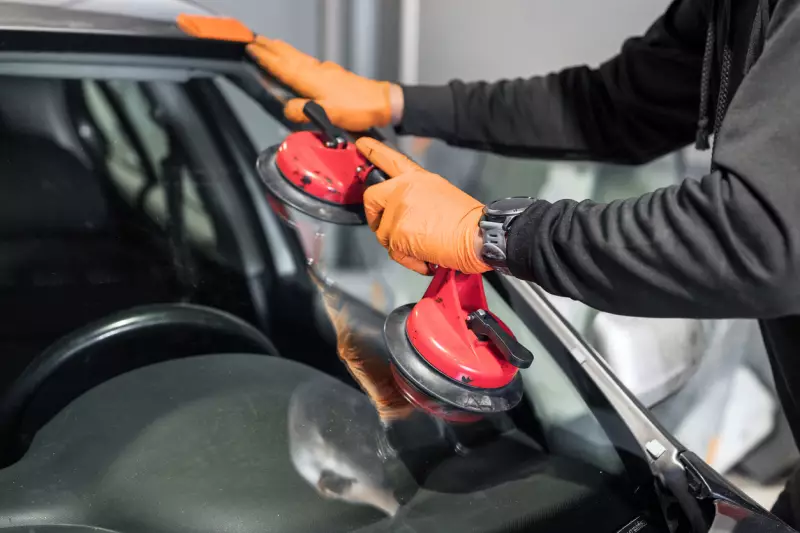
Car window repairs are usually limited to windshields. A repair may be possible if:
- The damage is a crack under 3 – 6 inches or a chip smaller than a quarter.
- The damage is not directly in the driver’s line of sight.
- Only the outer layer of the glass is damaged, and the inner layer is intact.
- The crack has not grown or spread.
Repairs are quick, affordable, and can prevent larger cracks from forming over time. A professional resin injection can usually get the job done, restoring strength and clarity to the windshield.
Damage Requiring Replacement
If safety is impacted in any way, replacement is the only responsible choice. Full car window replacement is necessary when:
- The window is completely shattered or has long, spreading cracks.
- A side or rear window is broken (these typically cannot be repaired).
- The damage is directly in the driver's primary view.
- Embedded sensors are affected.
- The windshield’s structural integrity is compromised.
Can Insurance Cover the Cost?
Insurance can significantly reduce out-of-pocket expenses for car window replacement. However, the extent of coverage largely depends on your policy and the type of damage.
Comprehensive Coverage
Glass damage is almost always covered under comprehensive insurance (sometimes called "other than collision" coverage). These policies typically cover damages from non-accident events like vandalism, theft, fire, natural disasters, falling objects, and road hazards. You will generally need to pay your deductible before coverage kicks in, unless your policy includes specific glass coverage benefits.
Zero-Deductible Glass Coverage
Many insurers offer zero-deductible glass coverage, and states like Florida, Kentucky, and South Carolina even require it by law. This means your windshield, or other windows, can be repaired or replaced without any out-of-pocket cost. Zero-deductible coverage is usually an affordable add-on to your policy and is highly recommended, as it saves you unexpected expenses for windshield fixes and simplifies the claims process.
When Insurance May Not Cover It
You may have to pay the full cost of replacing your car window if:
- You only have liability insurance.
- The damage was intentional or the result of an accident that was your fault.
- The damage is due to wear and tear or pre-existing cracks.
- You shop outside your insurer’s approved network.
- You choose OEM parts for the replacement when your policy only covers aftermarket parts.
- The repair cost is below your deductible.
Always contact your insurance company before scheduling any repairs. They can confirm your coverage, recommend approved shops, and tell you exactly what you’ll owe.
How Long Does Car Window Replacement Take?
The good news is that most car windows can be replaced relatively quickly, usually within a few hours. Exact time frames depend on the type of window and whether adhesives need curing:
- Side Windows: 1 – 2 hours
- Rear Windows: 1.5 – 3 hours
- Vent/Quarter Windows: 1 – 3 hours
- Windshields: 1 – 4 hours for the replacement itself, plus additional curing (or “drive-away”) time of 1 – 2 hours for adhesives. In some cases, curing may take longer. During this period, the glass is not fully bonded, so driving is unsafe. The shop will give you explicit instructions - always pay careful attention to this, because it is crucial for your safety.
FAQs
Can I Drive with a Broken Window?
It is generally unsafe and sometimes illegal to do so. Broken windows are a huge risk: they reduce visibility, compromise the vehicle’s structural integrity, and leave it exposed to theft and weather damage.
Does Aftermarket Glass Reduce Quality?
Not necessarily. Even though aftermarket glass is often cheaper, it is usually identical to OEM (Original Equipment Manufacturer) in almost every way and meets the same safety standards. OEM may offer a slightly better fit or include brand-specific features, but both are safe when professionally installed.
How Fast Should I Replace a Broken Window?
As soon as possible. Delaying repairs increases safety risks, exposes your car to weather and theft, and can worsen the damage, especially for windshields.
Can I Replace a Car Window Myself?
DIY replacement is challenging and risky. It requires specialized tools, precise fitment, proper sealing, and sometimes sensor calibration. Incorrect installations can compromise safety and usually cost more to fix later. Professional replacement is strongly recommended for both safety and warranty protection.