

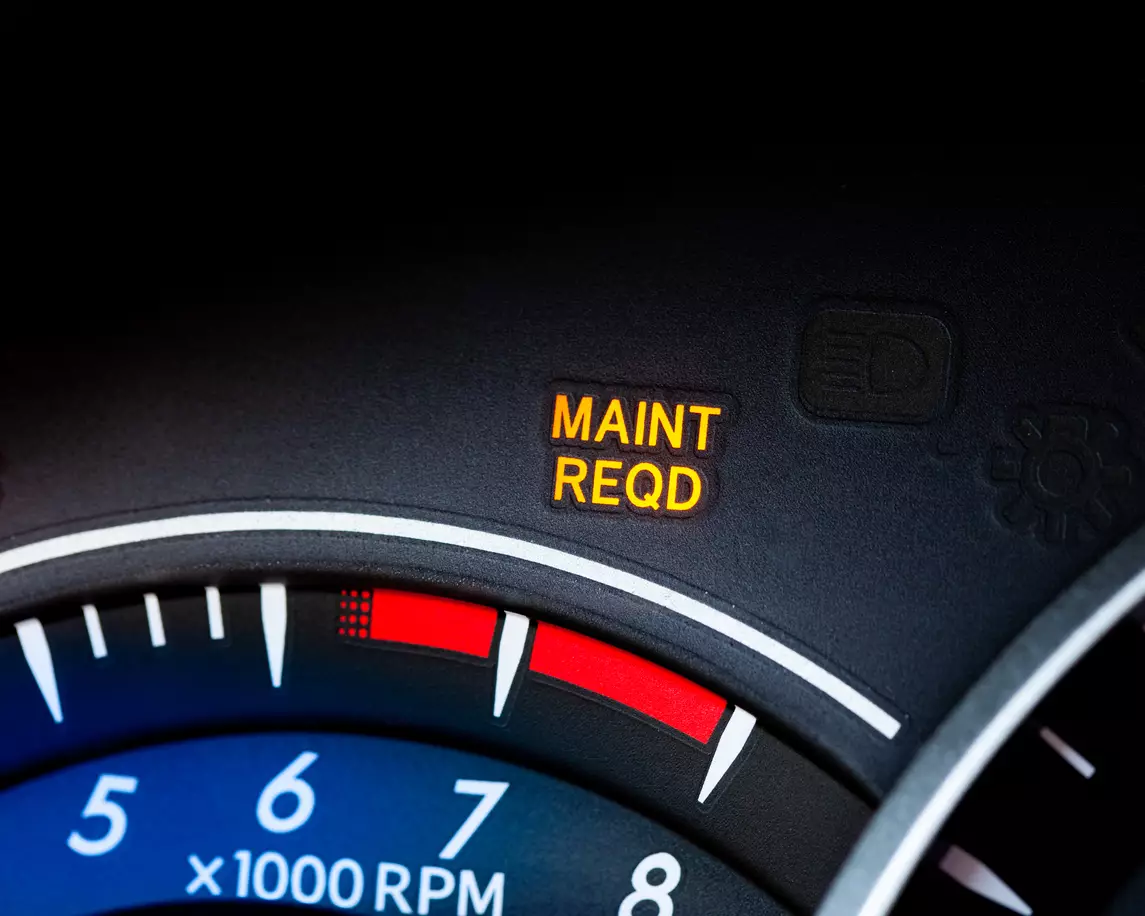
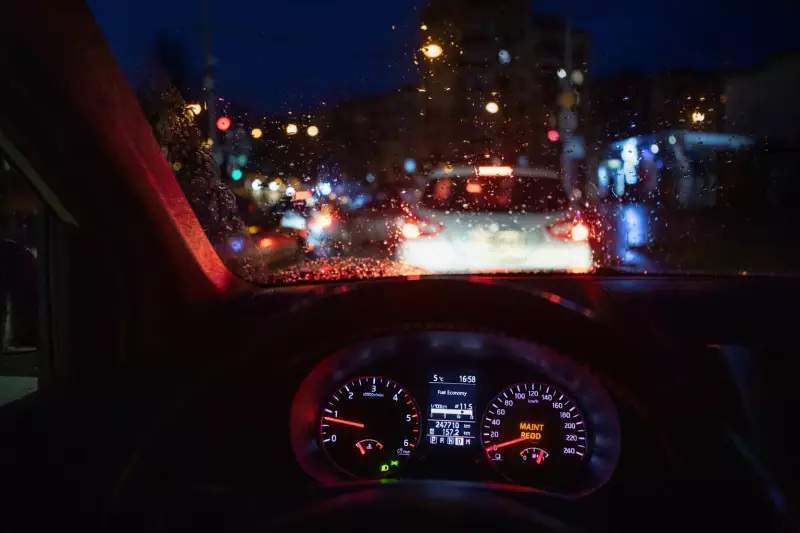
If you drive a Toyota, Honda, or many other modern vehicles, you’ve probably seen a little glowing light on your dashboard that says “Maintenance Required” or “MAINT REQD.” It can be a bit of a head-scratcher; not as alarming as a flashing “Check Engine” light, but persistent enough to make you wonder what’s wrong.
The good news is that in most cases, this light is not a sign of immediate danger or mechanical failure. Instead, it’s a reminder that your car is due for routine service, like an oil change or tire rotation. Let’s dive into the maintenance required light – what it means, why it comes on, whether it’s safe to drive, how to reset it, and why you shouldn’t ignore it.
What Does the Maintenance Required Light Mean?
The maintenance required light is a mileage-based reminder that routine service is due. It is automatic and usually triggered every 5,000 miles, though exact intervals may vary.
Think of it as your car’s built-in service scheduler. Once a certain number of miles or months have passed since the last reset, the light illuminates to remind you to follow the manufacturer’s recommended maintenance plan. Auto manufacturers include this feature to help drivers stay on top of oil changes, fluid checks, tire rotations, inspection schedules, and other routine services.
Mileage-Based Reminder System
Unlike a check engine light, which responds to sensor data, the maintenance required light works like a timer. Your car’s computer constantly tracks the distance driven and automatically triggers the light once a preset interval is reached (commonly every 5,000, 7,500, or 10,000 miles, depending on make and model). The system doesn’t measure oil quality, brake pads, or other components; it simply signals that it is time to have them checked.
Here’s a breakdown of how it works:
- After an oil change or scheduled service, a technician resets the reminder (for new cars, the system is typically set to zero miles by the dealership as part of the pre-delivery inspection or during the vehicle's final assembly).
- The system begins counting miles from zero.
- Once the mileage threshold is reached, the maintenance required light flashes briefly when you start the car.
- After a short period (usually a few dozen miles), the light stays on solid until it is reset.
Common Reasons the Light Turns On
Even though the maintenance required light doesn’t point to a specific malfunction, it still appears for important reasons. These include:
- Oil and Filter Change Reminder: This is the most common reason. Every 5,000 miles (or whatever interval your vehicle requires), the light turns on to remind you to replace the engine oil. Depending on driving conditions, air and cabin filters may also need replacement.
- Tire Rotations: Many auto manufacturers recommend rotations around the same interval as oil changes to ensure even wear, maintain proper tire pressure for safety and performance, and extend the life of your tires.
- Fluid Level Checks: While low fluids do not trigger the light directly, the reminder prompts technicians to check brake, coolant, transmission, power steering, and windshield washer fluid levels, and top them off.
- General Inspection: The reminder ensures a technician also inspects belts, hoses, lights, brakes, and other systems.
Difference Between “Maintenance Required” and “Check Engine”
The maintenance required and check engine lights are often confused, but they serve very different purposes:
- Maintenance Required Light (MAINT REQD): This is a scheduled reminder based on mileage and is your car’s way of letting you know that it is due for routine service. It does not indicate a malfunction and is usually not urgent but should be addressed soon.
- Check Engine Light (MIL): This is a malfunction indication and is triggered when your car’s onboard diagnostics system detects a specific problem with the engine, emissions, or transmission systems. The triggering malfunction can range from minor to serious and may require immediate attention.
Basically, if your maintenance-required light comes on, you’re due for a scheduled service. If the check engine light comes on, that’s a diagnostic issue, and you need to see a mechanic.
Is It Safe to Drive With the Maintenance Required Light On?
Yes, it is generally safe to keep driving with the maintenance required light on, but for a short period. The light itself indicates scheduled maintenance, not an active failure. You can likely drive for a few hundred miles to schedule a convenient appointment. However, delaying maintenance can lead to long-term wear, reduced fuel efficiency, performance issues, and higher repair costs. Think of it as a helpful nudge rather than an emergency.
How to Reset the Maintenance Required Light
Resetting the maintenance required light is simple and can be completed in a few quick steps. However, it should only be done after completing the required service.
General Reset Method for Most Cars
While each make and model varies, many vehicles share a similar reset procedure:
- Make sure the vehicle is OFF.
- Turn the ignition key to the ON position, but do not start the engine. All dashboard lights should illuminate.
- Locate the odometer/trip button (usually on or near the dash).
- Press and hold the button. The odometer display may start to flash or show zeros.
- While holding the button, turn the ignition OFF, then back to ON.
- Continue holding until you see the “Maintenance Required” light blink, flash, or turn off (this usually takes 5 - 10 seconds).
- Turn the ignition off and then start the engine to confirm the light is off.
How to Reset the Light on Toyota Vehicles
Toyotas, especially models like the Camry, Corolla, RAV4, Tacoma, and Highlander, have one of the simplest reset methods. Here’s what the process typically looks like:
- Turn the key to ON without starting the engine.
- Press the odometer/trip button until it displays “Trip A.”
- Turn the ignition OFF.
- Hold down the odometer/trip button and turn the ignition back to ON. Keep holding the button.
- After about 5 - 10 seconds, the odometer will show a row of dashes (------) or another countdown and then reset to “000000.” The maintenance light should go out.
- Release the button and start the car to verify.
How to Reset the Light on Honda Vehicles
For many Hondas (like the Civic, Accord, CR-V, Pilot, and Fit), the steering wheel controls are used to reset the maintenance required light. Here’s how:
- Turn the ignition to ON.
- Use the arrow buttons on your steering wheel to scroll through the multi-information display until you find the “Vehicle Settings” or “Maintenance” menu.
- Select “Maintenance Info,” “Reset,” or “Reset Maintenance Light.” Some Hondas allow resetting individual items (oil, filters, tire rotation), while others reset the entire maintenance reminder cycle.
- Confirm the reset. You may need to hold the Enter/Select button to do this. The system will display “Reset Complete,” or the maintenance items will return to 100%.
When You Should NOT Reset the Light
Never reset the maintenance required light without actually performing the maintenance first. Doing so defeats its entire purpose and can lead to you forgetting critical services, causing premature wear and potential damage to your vehicle. Resetting the light should always be the final step after maintenance, not a shortcut around it.
Why the Maintenance Required Light Shouldn’t Be Ignored
Even though the maintenance required light isn’t a danger sign, dismissing it consistently is a gamble with your car’s long-term health and your wallet. Routine service is essential for engine health, performance, safety, and long-term reliability.
Impact on Engine Health
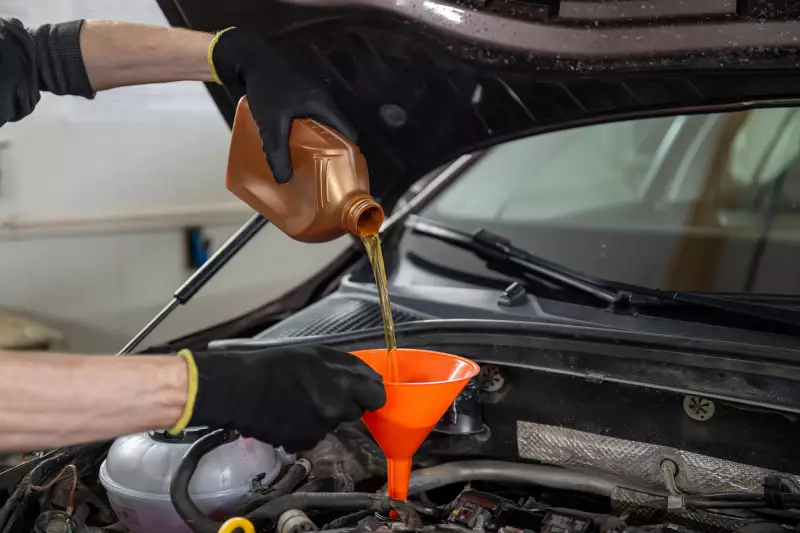
Engine oil breaks down over time, even faster under harsh driving conditions. Old and degraded oil loses its ability to lubricate, cool, and clean your engine, leading to:
- Increased friction and heat, accelerating wear on pistons, camshafts, bearings, and other moving parts.
- Sludge buildup that clogs oil passages and starves components of lubrication, a symptom of engine sludge caused by poor maintenance.
- Reduced fuel efficiency and performance.
- Shortened engine lifespan
The maintenance required light is designed to prevent these problems by keeping you on schedule.
Impact on Safety
Routine maintenance isn’t just about the engine; it also includes several critical safety checks:
- Tire Rotation: Improves handling and prevents uneven wear that can lead to poor traction, blowouts, or hydroplaning.
- Brake Inspection: Identifies worn pads, rotors, and other issues before they become dangerous.
- Fluid Checks: Ensures brake fluid, coolant, and power steering fluid are at safe levels and in good condition.
Skipping these services greatly reduces your vehicle’s overall safety.
How Mechanics Diagnose and Service the Car
When you bring your car in for service after the maintenance required light turns on, a technician typically performs a combination of routine checks. Here’s what usually happens:
- Oil & Filter Change: Draining the old oil, replacing the filter, and refilling with fresh oil of the correct type and grade.
- Fluid Level & Condition Check: Topping off or recommending changes for engine coolant, brake fluid, transmission fluid, and windshield washer fluid.
- Filter Inspection: Checking and replacing the engine air filter and cabin air filter if needed.
- Tire & Brake Services: Rotating tires, measuring tread depth, and inspecting brake pad and rotor thickness.
- Visual Inspection: Looking at belts, hoses, lights, the battery, and signs of leaks or unusual wear under the vehicle.
- General Safety Inspection: Checking the steering, suspension, exhaust, seatbelts, tires in line with state vehicle safety inspection requirements, and all exterior lighting to ensure the vehicle is operating safely and legally.
These checks help identify small issues early so they don’t turn into expensive repairs later.
Tips to Avoid Seeing the Maintenance Light Too Often
You can’t stop the maintenance required light from coming on (nor should you want to), but you can reduce how often it catches you off guard by practicing consistent car care habits:
- Track your oil changes: Use a notebook, phone reminder, or mileage tracker app to log maintenance dates and mileage.
- Follow the Manufacturer’s Recommended Schedule: Each automaker provides a maintenance chart in the owner’s manual. Consider the “severe” schedule if you frequently take short trips, drive in extreme heat/cold, or face stop-and-go traffic.
- Always Use Quality Oil & Filters: High-quality products last longer and protect the engine more effectively.
- Replace Filters on Time: Air and cabin filters are inexpensive but important for performance.
- Don’t Ignore Dashboard Messages: Early attention prevents bigger problems and unexpected maintenance reminders.
- Combine Services: Align oil changes with other scheduled items to save time and avoid extra trips.
FAQs
Does the Maintenance Light Mean My Car Is Damaged?
No, not at all. It is simply a reminder for scheduled, preventive maintenance, not a sign that damage has already occurred.
How Long Can I Drive with the Light On?
You can drive safely for a short time, enough to schedule and get to an appointment. However, you shouldn’t delay service for months; doing so would be risking engine wear.
Will the Light Turn off Automatically after Service?
No. It must be manually reset after the maintenance is completed.
Can Low Oil Trigger the Maintenance Light?
Typically, no. The maintenance required light is mileage-based. A low oil level or pressure will usually trigger a separate, dedicated warning light on your dashboard (often an oil can symbol). That light indicates an immediate problem that should be addressed right away