

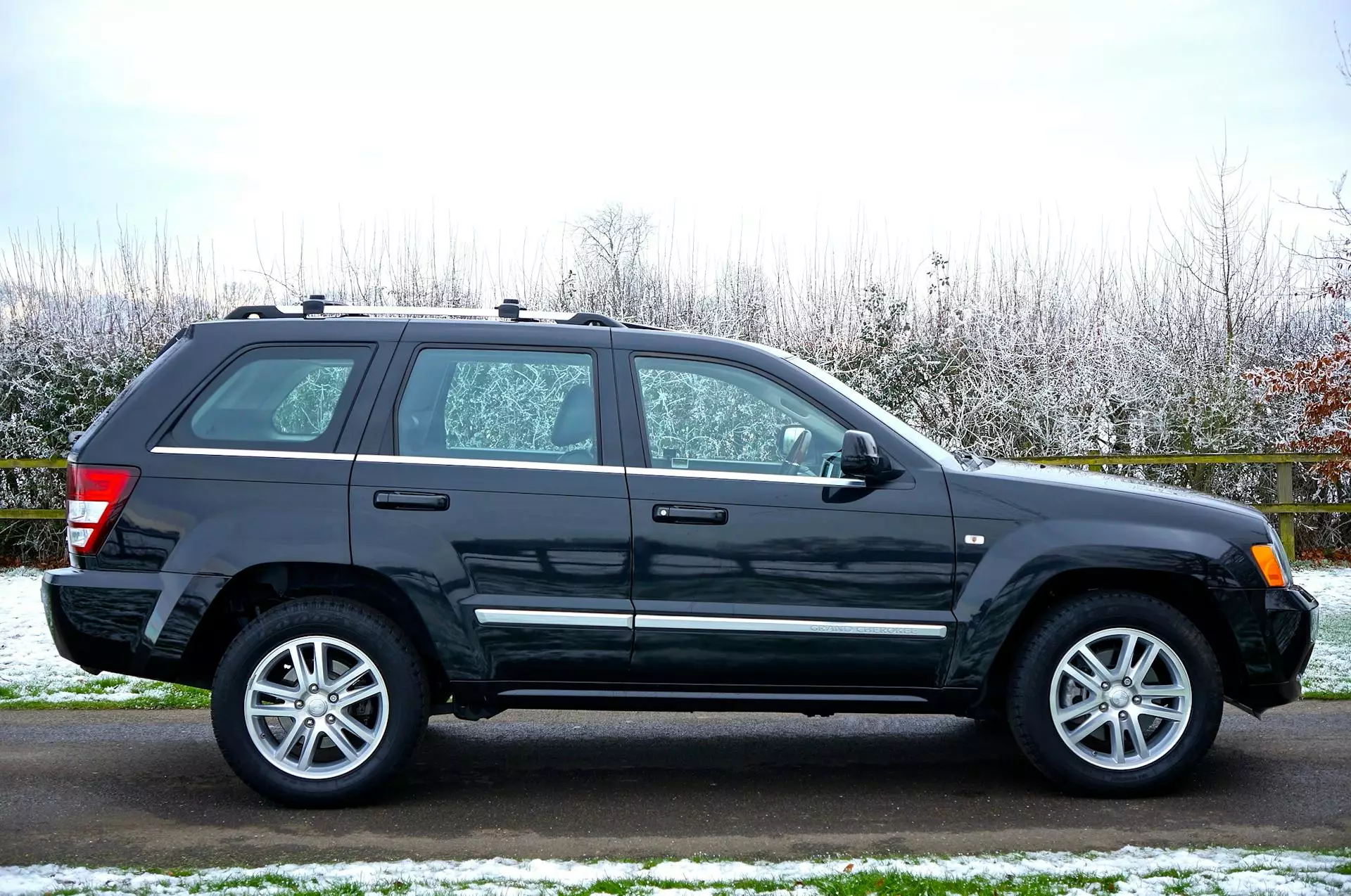
Not every SUV is engineered to withstand the snow-covered roads, freezing temperatures, icy surfaces, and rough road conditions during winter. The best SUVs for winter driving go beyond comfort; they perform impressively on slippery roads with advanced four-wheel or all-wheel drive systems, providing safety and reliability in winter climates, especially when conditions are at their worst.
The best SUVs for snow and winter driving come with smart traction, enough ground clearance, and stability technology. These features are essential to navigate deep snow during winter. From compact-sized SUVs and mid-size options to off-road and luxury SUV models, it is important to know which vehicle is capable of performing exceptionally well in cold climates.
What Makes an SUV Good for Snow and Winter?
Some SUVs perform better than others in winter conditions. The best SUVs for winter driving are those with the right drivetrain, control, and stability that make them safe on slippery roads.
The following features, among others, make an SUV good for snow and winter conditions:
All-Wheel Drive (AWD) or Four-Wheel Drive (4WD)
If you drive frequently in harsh winter conditions, an all-wheel drive (AWD) or four-wheel drive (4WD) vehicle is what you need for better control and stability. Both drivetrains improve traction by distributing power to more than two wheels, which prevents the vehicle from slipping on icy or snowy roads. The 4WD systems are the most rugged, sending power to all four wheels through manual engagement by the driver. They are built to handle driving conditions such as steep hills, deep snowy conditions, and serious off-road terrains. The AWD systems are also engineered for everyday winter driving on icy roads, but are not as rugged. Unlike the 4WD, they automatically send power between the front and rear wheels without the driver’s action.
Ground Clearance
SUVs with better ground clearance are best suited for snow and winter driving, especially in areas with poorly maintained winter roads or heavy snowfall. If you drive on rutted roads or over snowdrifts with an SUV with low ground clearance, there is a high chance the uneven surface will scrape the vehicle’s underbody. The vehicle may even get stuck in some cases.
Winter-Tuned Traction & Stability Systems
Some SUVs come with electronic systems designed to improve safety for winter driving. These include stability control, traction control, hill descent control, and snow modes.
Stability control keeps a vehicle on its intended path, while traction control helps limit wheel spin, helping maintain balance on icy roads. The hill descent control feature in some modern SUVs ensures safe speeds when going downhill on icy roads. On the other hand, winter or snow drive modes help adjust braking and throttle response for driving on slippery roads.
Winter Tires
SUVs with winter tires are ideal for winter, because even the best SUVs in the snow will struggle without the right types of tires. Winter tires are made of specialized rubber compounds and designed with tread patterns that help improve grip on icy or snowy roads. These tires remain flexible in cold temperatures and can make a big difference when used with 4WD or AWD SUVs.
Best Compact SUVs for Winter Driving
Compact SUVs are usually practical when it comes to driving on snowy or icy roads. Unlike larger vehicles, many compact SUVs are more stable and offer both confident traction and all-weather performance in winter.
Here are common small SUVs with great traction, handling, and safety in snow:
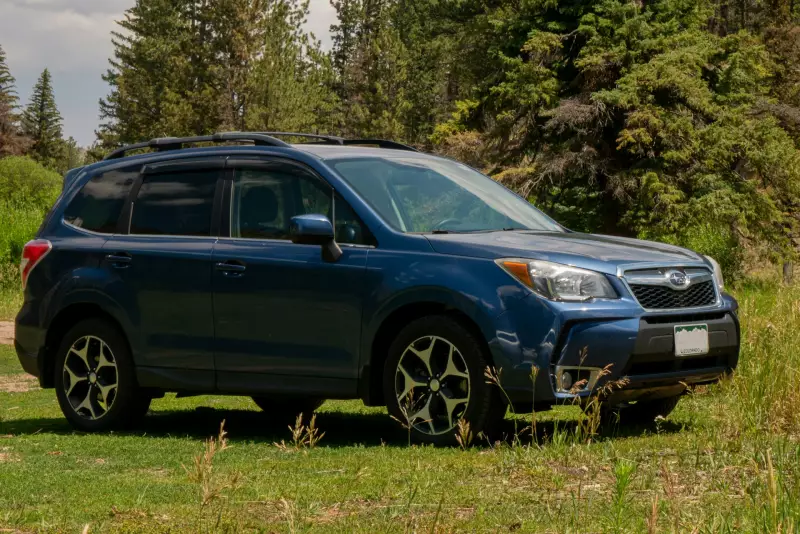
Subaru Forester
The Subaru Forester has a standard AWD system across all trims that gives it balanced handling in winter climates. Its high ground clearance, dependable performance, strong safety ratings, and excellent driver visibility also give drivers a special kind of confidence on snowy or icy roads.
Subaru Crosstrek
The Subaru Crosstrek also comes with an AWD system specifically designed for traction in slippery and snowy conditions. Its efficient engine, rugged design, and good ground clearance make it stand out in deeper snow and rougher winter terrain than most other small SUVs.
Mazda CX-5
In addition to its engaging driving dynamics, the Mazda CX-5 offers great traction and stability performance for winter driving. This compact SUV’s advanced AWD tuning and smooth handling make it an excellent option for winter capability without sacrificing everyday comfort.
Honda CR-V (AWD models)
The Honda CR-V is engineered with a reliable AWD system that offers a dependable grip, confident performance, and a comfortable ride in snow and winter conditions. Its exceptional visibility and spacious cabin make it a great choice for navigating winter weather.
Best Midsize SUVs for Snow and Ice
Midsize SUVs are popular choices for people who frequently drive on icy or snowy roads. They either come with an AWD or 4WD system and are often durable while offering a strong balance of comfort and space in winter weather. The following are some of the best midsize SUVs for snow and ice:
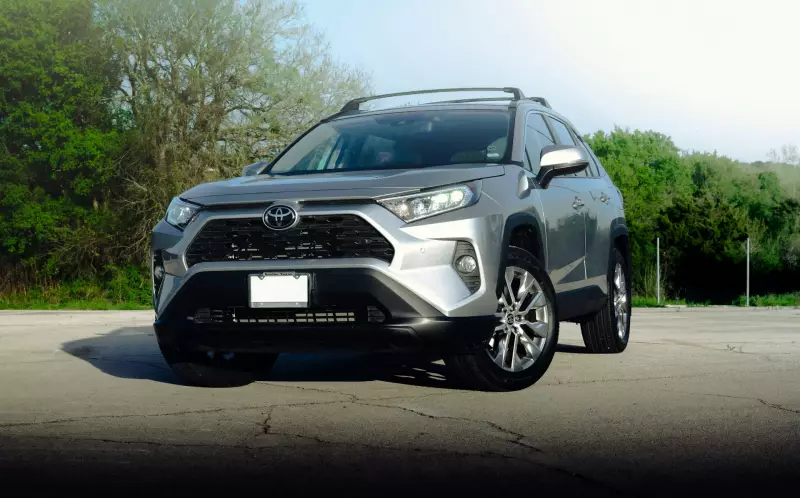
Toyota RAV4 (AWD)
The Toyota RAV4 offers different AWD systems, depending on the powertrain and trim. These include those with dynamic torque vectoring for higher trims and electronic on-demand AWD for hybrids, which help improve grip on icy or snowy roads. The Toyota RAV4’s high ground clearance also makes the SUV a reliable and practical option for everyday winter driving.
Toyota 4Runner
If you drive regularly on steep hills, poorly maintained winter roads, or deep snow, and you prefer a midsize SUV, consider the Toyota 4Runner. This SUV is built on a rugged body-on-frame structure and offers true 4WD capability for navigating rough conditions where durability and traction are of utmost importance. In addition, the Toyota 4Runner’s high ground clearance makes it ideal for harsh winter driving.
Jeep Grand Cherokee
The multiple 4x4 systems in the Jeep Grand Cherokee make it one of the best midsize SUVs for snowy and icy roads. These systems allow you to select the setup that can best handle your winter driving needs, depending on how harsh the weather conditions are. The Jeep Grand Cherokee’s advanced traction control helps it perform optimally in harsh winter weather conditions.
Ford Bronco Sport
This is another midsize SUV with a rugged edge and off-road capability. The Ford Bronco Sport comes with specialized traction modes to improve driving in slippery terrains, including icy and snowy roads. Its high ground clearance and AWD systems help drivers maintain absolute control on icy roads.
Best Luxury SUVs for Snow and Winter Conditions
The best luxury SUVs for winter driving are those with sophisticated AWD systems and advanced safety technology features that offer refined comfort and ensure confident handling. They include the following:
Audi Q5
If you want one of the best SUVs for winter driving without sacrificing luxury, consider getting the Audi Q5. This luxury SUV is known for its Quattro AWD system, which is designed to continuously distribute power to the wheels for maximum traction and strong performance. It also offers precise handling and advanced driver-assistance features that give drivers confidence on icy and snowy roads.
Volvo XC60
The Volvo XC60 is built with Scandinavian engineering and particularly designed for harsh winter climates. Its strong safety scores, driven by industry-leading safety technology, and controlled driving experience make the Volvo XC60 a smart luxury option for anyone who does not want to sacrifice luxury while driving in winter conditions. The XC60’s AWD system also makes it ideal for snowy and icy roads.
Lexus RX (AWD)
The Lexus RX (AWD) is popular for its long-term reliability. It offers a dependable AWD performance and a smooth, comfortable ride in snow. As a result, driving the Lexus RX (AWD) on snow-covered roads during winter gives you peace of mind.
BMW X3 (xDrive)
The xDrive AWD system powering the BMW X3 gives it a more balanced and responsive feel on snowy roads. Its advanced stability and agile handling systems deliver a sporty yet secure driving experience in harsh winter conditions. When driving a BMW X3, power is quickly distributed to the wheels with the most grip, which improves control on icy surfaces and other slippery roads.
Best 4x4/Off-Road SUVs for Harsh Winter Conditions
A rugged 4x4 or off-road SUV is what you need if you regularly face steep mountain terrain or deep snow during winter. With their high ground clearance, 4WD systems, and advanced traction systems, off-road SUVs are particularly designed for severe winter conditions, especially where other SUVs may struggle to navigate.
Below are some of the best 4WD SUVs for snow and other harsh winter conditions:
Jeep Wrangler
The Jeep Wrangler’s proven off-road capability, rugged design, and multiple 4x4 systems earn it a spot among the best SUVs for snow and winter driving. It offers impressive snow traction due to features such as locking differentials (on certain trims), high ground clearance, and low-range gearing.
Ford Bronco
Engineered for tough road conditions, the Ford Bronco comes with advanced off-drive modes specifically designed for ice, snow, and other slippery terrains. Its terrain management technology and 4x4 system, which allow you to adapt quickly to changing winter conditions, make the Ford Bronco ideal for extreme winter weather and snowy mountain trails.
Land Rover Defender
The Land Rover Defender is rugged, and its high ground clearance as well as 4x4 system offer confident winter handling, even in harsh driving conditions. It stands out for winter capability. The Land Rover Defender also comes with advanced technology featuring efficient terrain response systems that automatically help adjust braking, throttle, and power delivery for ice and snow.
Toyota Land Cruiser
The Toyota Land Cruiser’s locking differentials, high ground clearance, full-time 4WD, and advanced traction control are designed to handle extreme winter conditions. It is one of the most dependable and reliable off-road SUVs for winter driving, exceptionally capable of navigating mountainous terrain and deep snow.
FAQs
Is AWD or 4WD Better for Snow?
This depends on the driving conditions. Both AWD and 4WD improve traction in snow. All-wheel drive (AWD) automatically adjusts power for better grip, so it is better for everyday winter driving on paved roads. On the other hand, four-wheel drive (4WD) is ideal for steep hills and deep snow where low-range gearing and extra traction are often needed.
Do Winter Tires Make a Big Difference?
Yes, winter tires make a big difference for winter driving. In many instances, they make a bigger difference than choosing a drivetrain (4WD or AWD). Winter tires improve traction and safety, providing far better grip on icy and snowy roads than all-season tires.
Can Electric SUVs Handle Snow Well?
In electric SUVs, the instant torque and the added weight of their batteries help traction, which can in turn make them (electric SUVs) handle snow well. However, you may experience a driving range loss due to cold temperatures in winter conditions unless you plan well for charging access.
Are Bigger SUVs Always Better in Snow?
While a bigger SUV means more space, size alone does not determine an SUV’s performance in winter. For better winter driving, prioritize 4WD or AWD capability, traction systems, winter tires, and high ground clearance over an SUV size.