

Car Shipping: Cost, Services,
and How Auto Transport Works
If you've heard of car shipping but aren't sure what it involves or whether it's the right option for you, you're in the right place.
Car shipping is when a carrier transports your vehicle by truck or ship instead of you driving it yourself. People use it for long-distance moves, buying a car online, military relocations, and seasonal travel. This page covers what to expect from booking to delivery, how to prep your vehicle, the main service types, what affects cost, and how to choose a reliable company.
If you bought a car online, you can also run a vehicle history report before you ship to confirm title status, accident history, and odometer records, so you can confirm before you pay for transport.
Let's break down how car shipping works.

How Does Car Shipping Work?

Research Companies
Before shipping your car, you'll need to research reputable auto transport companies, which generally fall into two categories: brokers and carriers.
What's the difference? A broker acts as a logistics coordinator to find you the best route and price, while a carrier is the company that actually owns the trucks and performs the physical transport.
Things to consider when choosing your vehicle transport services include:
- Customer reviews: Look for consistency in communication and reliability.
- Transport methods: Ensure they offer the specific type of trailer you need.
- License and registration: Verify their credentials to ensure they are a legitimate operation.

Booking & Insurance
Once you've chosen your preferred shipping company, you'll proceed with booking your shipment. The timeline will vary depending on the company's policies, but it's recommended to schedule your shipment 1 to 2 weeks before your preferred pickup date.

What You'll Receive
Once you have finalized your booking with a company, you should receive a formal confirmation package. Review these documents immediately to ensure everything matches what you discussed over the phone:
- A Binding or Estimated Quote: This should be a written breakdown of the total price. It must clearly state if the price is "all-inclusive" or if there are potential surcharges for fuel, residential delivery, or oversized tires.
- Pickup and Delivery Windows: Due to traffic and weather, most companies provide a "window" (usually 2-5 days) rather than a specific time. Ensure these dates align with your schedule.
- The Carrier's Insurance Certificate: You should receive proof of the carrier's cargo insurance. This is different from your personal auto insurance and should cover the full value of your vehicle while it is in their possession.
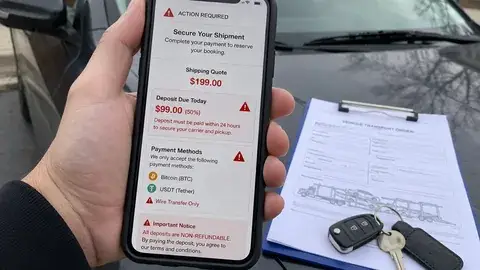
- Terms and Conditions: This document outlines the cancellation policy and what happens if there are unexpected delays. Read the fine print regarding "non-refundable deposits".

Questions to Ask About Insurance
Don't just collect the paperwork; ask specific questions to verify your protection:
- What is the cargo insurance limit? Ensure it covers the current market value of your car.
- Is there a deductible? Ask if you are responsible for paying a deductible (e.g., $500 or $1,000) if a claim is filed.
- How does the claims process work? A reputable company will have a clear, written process for reporting damage and for how long it takes to be reimbursed.
Carrier Assignment + Pickup Inspection
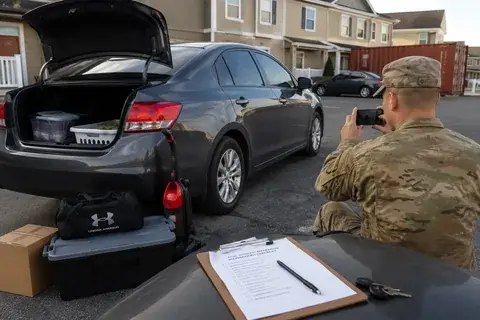
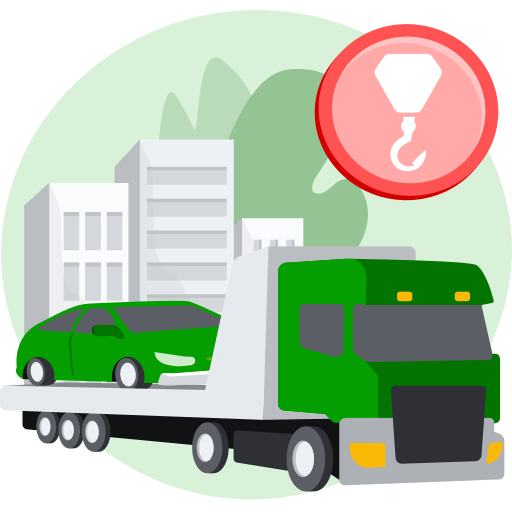
After booking your shipment, it will be assigned a carrier, and then it's time for the pickup inspection. During inspection, the carrier driver will examine the vehicle's condition, noting any existing dents and scratches.
You'll sign a Bill of Lading (BOL) that documents the car's current condition. This is the official condition report used for delivery inspections and damage claims. The inspection process is quick and usually takes less than an hour.

Shipping + Delivery Inspection
Following pickup inspection, your vehicle will be shipped, and upon delivery, you and the driver will inspect the car against the BOL.
The transit timeframe will depend on the distance and season, but distances over 1,500 miles can take about 7 to 10 days.
How to Prep a Car for Shipping
To ensure a smooth pickup and prevent damage disputes, follow these steps to prepare your vehicle:

Step 1: Interior Preparation
Start by removing all your personal possessions from the car's interior, including the trunk. Remove all loose accessories such as chargers, cables, air fresheners, and spare change. These items will shift during transportation and may cause interior damage.

Step 2: Exterior Cleaning and Documentation
Once the interior is empty, wash the exterior of the car. A clean car makes it much easier for you and the driver to spot existing dents and scratches during the pickup inspection. After cleaning, take clear photos and videos from all angles to document your car's current condition for your records.
Step 3: Safety and Mechanical Checks
Perform a quick mechanical sweep before the truck arrives:
- Check for Leaks: Inspect for any minor fluid leaks and disclose them upfront. Many carriers will refuse to load a leaking vehicle to protect others on the trailer.
- Tire Pressure: Ensure your tires are properly inflated; underinflated tires can cause issues during the loading and unloading process.
- Alarms and Keys: Disable all car alarms to prevent them from going off during transit and have a spare key ready to hand over to the driver.

Step 4: Manage Fuel Levels
Keep your fuel level low - ideally about a quarter (1/4) tank. This provides enough fuel for the driver to load and unload the vehicle without adding unnecessary weight to the trailer, which helps keep the carrier within legal weight limits.
Pro Tip: Properly preparing your car before shipping is the best way to prevent delays, pickup issues, and potential damage disputes at the delivery point.

Want to get an idea of what your payments would be?
Give the GoodCar Lease Calculator and the GoodCar Loan Calculator a try!
Give it a Try!
 GoodCar Lease Calculator
  GoodCar Loan Calculator
 What Are the Main Types of Auto Transport Services?
When choosing vehicle transport services, you have several options based on your budget and the level of protection your car needs:

Open Auto Transport
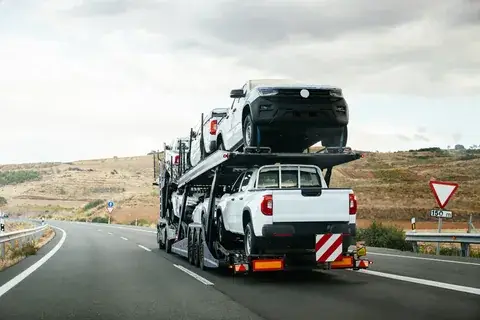
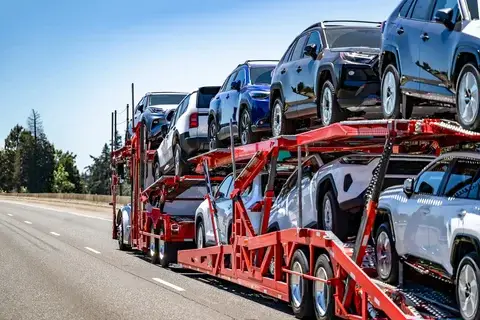
The most popular and affordable option. Your vehicle is placed on a multi-car trailer (the kind you often see on the highway). It's perfect for standard everyday vehicles.
Enclosed Auto Transport
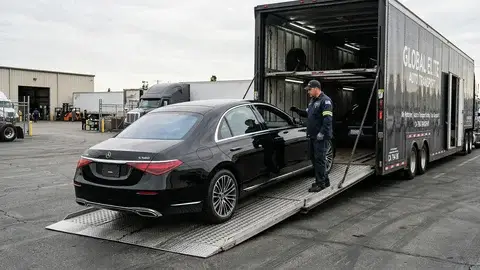
Your vehicle is placed in a trailer with sides and a roof to protect it from weather and road debris. This is recommended for luxury, classic, or high-value vehicles.

Door-to-Door Shipping
The carrier picks up and delivers as close to your specific addresses as the truck can safely navigate.

Terminal-to-Terminal Shipping
You drop off and pick up your vehicle at designated storage hubs. This can be cheaper but is often less convenient.

Expedited Auto Transport
This provides priority scheduling for urgent moves, though it usually comes at a higher cost.

Specialty Vehicle Shipping
Tailored transport for motorcycles, boats, oversized vehicles, and golf carts.
Car Shipping Cost Calculation

The price to ship a vehicle is not a flat fee; it is a dynamic quote based on several logistical variables. While distance is the most obvious factor, carriers also calculate costs based on vehicle size, weight, and the chosen transport method (open vs. enclosed). Additionally, the vehicle's condition plays a role - inoperable vehicles that cannot be driven onto the trailer require specialized loading equipment, which typically adds a surcharge to the base rate.
Market demand also shifts throughout the year. For example, shipping during peak seasons, such as the summer moving rush or around major holidays, often results in higher rates due to increased competition for carrier space. Conversely, choosing a route between major metropolitan hubs is generally more cost-effective than shipping to a rural or remote location, where a driver must go off-route, consuming extra time and fuel.
What Vehicles Can Be Shipped?
Auto shipping services are flexible, allowing transportation of different types of vehicles, such as:
 Sedans
 SUVs
SUVs Pickup Trucks
 Motorcycles
 Classic and Luxury Cars
 Electric Vehicles
 Boats and Watercraft
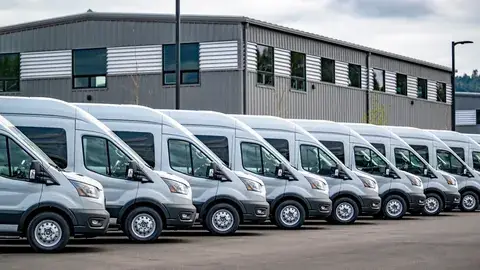
 Commercial Vehicles
 Heavy Equipment
How to Choose a Reliable Auto Transport Company

Don't accept a quote from the first auto transport company you find. Do in-depth research on factors like trust and safety. Reading recent customer reviews and checking how a company responds to both good and bad reviews is recommended.
Choose a company that focuses on transparency and review its policies carefully. You can check whether a company is legitimate by verifying its licensing and registration. Car shipping brokers and carriers that cross state lines are required to be registered with the FMCSA, and carriers typically have USDOT and MC numbers you can verify.
You can verify a company using FMCSA's SAFER (Safety and Fitness Electronic Records) System Company Snapshot tool.
Being aware of common red flags can help avoid costly headaches. Unusually cheap quotes or pushy sales tactics can indicate that the company is not reputable or reliable.
Before you pay a deposit, confirm in writing: total price, pickup and delivery windows, cancellation terms, and cargo insurance limits.
International Car Shipping
International car shipping is similar to cross-country shipping when it comes to preparing your car. But it also involves longer transit times, customs paperwork, and additional regulations.
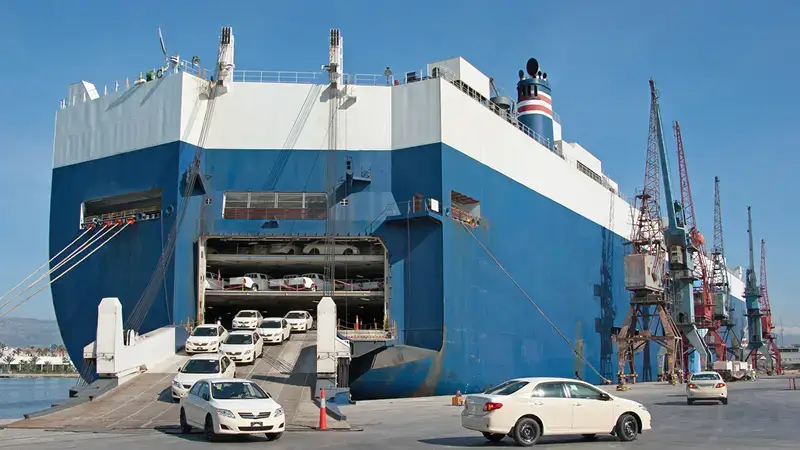
International shipping typically uses two methods: RoRo (Roll on/Roll off) and container shipping.
RoRo is the most common option. It involves driving your car onto a specialized ship, where it is rolled off at the final destination. RoRo is usually cheaper and has simpler logistics.
Container shipping involves loading your car into a secure container that is stored on a ship. This method offers better protection, but it's more expensive than RoRo. Additional handling can also sometimes add time.
International shipping comes with more paperwork and country-specific rules. Most countries have their own import regulations. For example, the EU has strict emissions and safety standards. Non-compliance can lead to delays or penalties, so it's important to review the destination country's customs requirements and complete any required import and export declarations.

Want to find a vehicle history by VIN?
To run a vehicle history report by VIN or license plate, turn to the GoodCar Vehicle History Lookup Tool
Give it a Try!
 Vehicle History Lookup
 State-by-State Car Shipping
| Category | States | Key demand drivers/notes |
|---|---|---|
| High-Volume & Population Centers | California | Long-distance coast-to-coast routes; major ports (Port of Los Angeles, Port of Long Beach); high inbound and outbound shipment volume |
| Texas | Large infrastructure for high shipping volume; central location; extensive interstate routes | |
| Florida | High volume of seasonal moves; major "snowbird" influx; known for auction imports | |
| New York | Dense metro demand; major economic hub; accessible from long-haul routes | |
| Illinois | Midwest hub; key cross-country intersection; connects East Coast, West Coast, and Canada; central location | |
| Major Port & International Shipping States | California, Florida, New Jersey, Maryland, Georgia | Important for overseas vehicle shipping, including RoRo and container transport |
| Snowbird & Seasonal Relocation States | Florida, Arizona, Nevada, North Carolina, South Carolina | Seasonal shipping demand spikes as residents relocate to warmer states during winter |
Cost of Driving vs. Shipping a Car
Choosing between driving a car yourself and having it shipped is more than just considering how much fuel you'll use. You've got to compare factors like mileage and wear and tear.
For older cars or those with unreliable parts, the added mileage can increase the risk of breakdowns, costly repairs, and the need for maintenance for a long-distance trip.
Don't forget to factor in your time. Driving long distances will require lodging and meals. Compare the costs of fuel, lodging, and maintenance against a car shipping quote to see the true cost.
For long-distance journeys, car shipping is a practical choice that saves time, reduces vehicle wear, and is convenient.
Vehicle Tracking and Communication During Car Shipping
Reliable communication and up-to-date tracking are why you should choose a trusted shipping company. Most companies provide dispatch notifications and estimated pickup and delivery windows. Some companies offer GPS tracking and online tracking through a web portal or mobile app. Other companies rely on direct contact with the carrier at certain points in the shipping process, such as departure, checkpoints, and arrival. Companies may issue SMS or email alerts for customers who don't want to use an online tracking service.
Reputable companies will release timely updates or offer reliable tracking because they know it brings peace of mind. Good communication also helps you prepare for pickup or delivery more efficiently and is useful if disputes arise.