


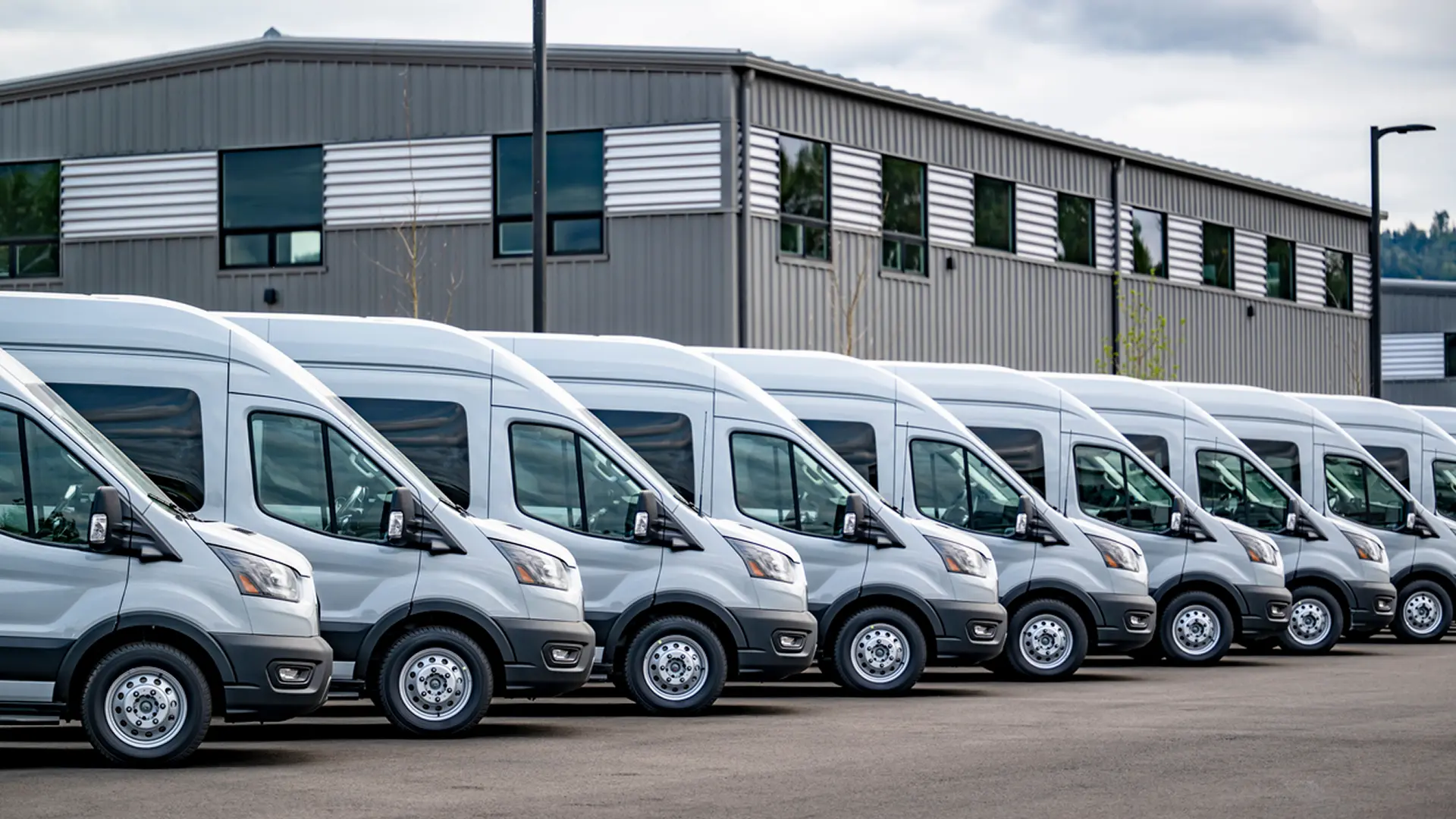
From delivery vans dropping off packages to heavy-duty trucks hauling loads for infrastructure projects, fleet vehicles are a common sight on the roads without you even realizing it. They're efficient for businesses and the private sector that need to operate on a large scale. Without them, businesses might struggle to keep daily operations running smoothly.
This guide will take a deep dive into what fleet vehicles are and why they're more important for a business than you think.
What Is a Fleet Vehicle?
You've likely heard of the term "fleet vehicles," which simply means vehicles leased or purchased by a business or organization for employees to use. Fleets typically belong to businesses, government agencies (e.g., police), rental agencies, delivery services, and transportation companies.
Fleet cars can include passenger vehicles and taxicabs, as well as trucks, delivery vans, and even heavy-duty vehicles like bulldozers and planes. Basically, anything with a motor can be part of a fleet.
There are no limits on how big or small a fleet can be. For some companies, having a couple of passenger cars for employees to get to work or make sales visits with is more than enough. Larger food transport companies might require a large fleet of delivery vans. All over the world, companies use fleet vehicles to transport people, deliver products, assist with daily activities, and conduct business. They're an integral part of running a business.
Types of Fleet Vehicles
The type of fleet vehicle a company uses depends on its operational requirements.
Specialty vehicles are designed for a specific purpose and are often crucial to an organization's ability to achieve its goals. Typically, they are not available for the general public because of the equipment and capabilities that they contain. Specialty vehicles include:
- Ambulances
- Garbage trucks
- School buses
- Taxi cabs
- Police cruisers
The second category of fleet vehicles is medium-duty vehicles. Unlike specialty vehicles, these have more flexibility in how they're used, whether it's for transporting people or products:
- Passenger vans
- Cargo vans
- Pickup trucks
These fleet vehicles are often used by tradespeople, such as plumbers and construction contractors, who need to transport equipment.
Corporate fleet cars, usually passenger sedans, are typically given to employees to use and drive around for work purposes, particularly salespeople.
Commercial Fleet Vehicles
Businesses use commercial fleet vehicles for a variety of reasons. For example, light- and medium-duty vehicles, such as cargo vans, pickup trucks, and passenger vans, are used by service tradesmen for deliveries. Heavy-duty vehicles such as specialized trucks, construction machinery (e.g., bulldozers), and delivery vehicles can be used by utility services and construction companies to transport heavy or specialized equipment.
In many cases, commercial fleet vehicles are branded with the company's logo, turning them into marketing tools as well.
Government and Public Fleet Vehicles
National, regional, and local government agencies and public services will use fleet vehicles to carry out essential services. Common fleets you'll often see include police cruisers, fire trucks, and ambulances. In addition to emergency fleet vehicles, city maintenance relies on garbage truck fleets for crucial services such as waste collection, road upkeep, and infrastructure repairs.
Because these fleet vehicles support critical services, they are often held to strict safety and maintenance standards. Often, government and other agencies will replace fleet vehicles on a structured schedule.
 Emergency fleets like ambulances and fire trucks are held to especially strict safety and maintenance standards.
Rental and Leasing Fleets
Rental and leasing companies operate some of the largest fleets, which require complex management. Unlike other types of businesses, rental and leasing companies often have a fleet of vehicles, ranging from commercial passenger cars for salespeople to cargo trucks for shipping companies. For example, you'll commonly find rental and leasing fleets at airports and dealerships.
Rental fleets focus on high-turnover and short-term utilization, while leasing focuses on long-term rentals. Because of the constant turnover of fleet vehicles, these companies will have dedicated staff for maintenance and use technology for reliable tracking.
How Fleet Vehicles Work
Fleet management is an important part of fleet ownership. Think of a fleet as a well-oiled machine. If one part is not maintained, then the whole fleet suffers.
Maintenance schedules
Scheduled and preventive maintenance keep fleets running. Most advanced fleet systems have real-time data tracking and onboard diagnostics for issues such as oil leaks, engine faults, and worn brake pads. These systems allow them to predict component failures before they happen.
Fleet managers should keep a maintenance history report to make it easier to predict when a particular vehicle part is likely to fail.
Fuel management
Businesses manage fuel consumption and lower costs by avoiding low tire pressure, optimizing routes and driving methods, avoiding idling, and speeding.
Vehicle tracking
Most fleets are equipped with GPS and telematic devices that collect information on speed, engine diagnostics, and location. These systems are used for more than just tracking the driver. They can be used to monitor driver behavior, receive repair alerts, and improve driver safety.
Driver assignments
Driver management ensures that drivers operate the fleet vehicles safely, prevent accidents, and avoid legal issues and fines. Companies often do this by outlining safety standards and compliance requirements that drivers must meet.
Fleet management software
Companies can manage their fleets through a digital platform that collects data on driver behavior and vehicle diagnostics. This allows companies to efficiently manage fuel, maintenance, drivers, and route optimization in one location.
Fleet Vehicle vs Personal Vehicle
The biggest difference between a fleet vehicle and a personal vehicle is ownership. While an employee may be given a vehicle for commuting to and from work or for sales purposes, ownership still belongs to the company. Some companies allow employees to use the vehicle for personal reasons, such as on weekends, but this doesn't mean they own the vehicle.
By using fleet vehicles rather than personal vehicles, companies can maintain a scheduled maintenance plan to ensure all vehicles are safe and reliable.
Benefits of Fleet Vehicles for Businesses
Choosing fleet vehicles is a cost-effective way to move people and products around. Co-ordinated fleet maintenance means less wasted time due to avoidable breakdowns. Often, companies can get bulk discounts on large fleets, maintenance, and insurance. Fleet vehicles are also a cost-effective way to increase brand visibility by simply driving on the road.
It is also a lot easier to manage an entire fleet than it is to manage different personal vehicles because fleet vehicles are uniform.
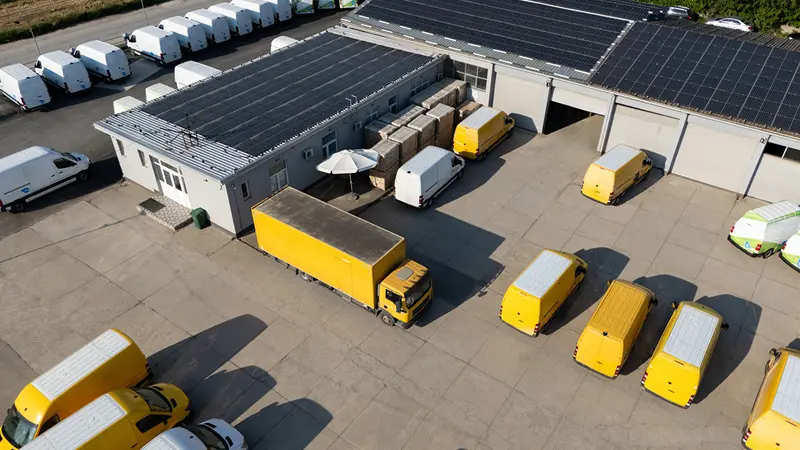 A uniform, well-maintained fleet is easier to manage, and doubles as rolling brand visibility for the company.
Frequently Asked Questions
Generally, a fleet is considered to be two or more vehicles for insurance and commercial discount purposes.
Yes, as they are used daily, they will accumulate more mileage, but fleet managers have preventive maintenance plans in place to address that.
Insurance premiums can be higher due to increased risk, but some insurers offer discounts to large fleets.
Yes, as long as their goals and needs are being met.
Yes, fleet vehicles commonly have GPS tracking systems.
This will depend on the company's policy.
The actual number will depend on the vehicle type, maintenance costs, and mileage, but it is recommended to replace every 3 to 7 years.
They can be if buyers are looking for significant cost savings, but they should be aware of higher wear and tear.