


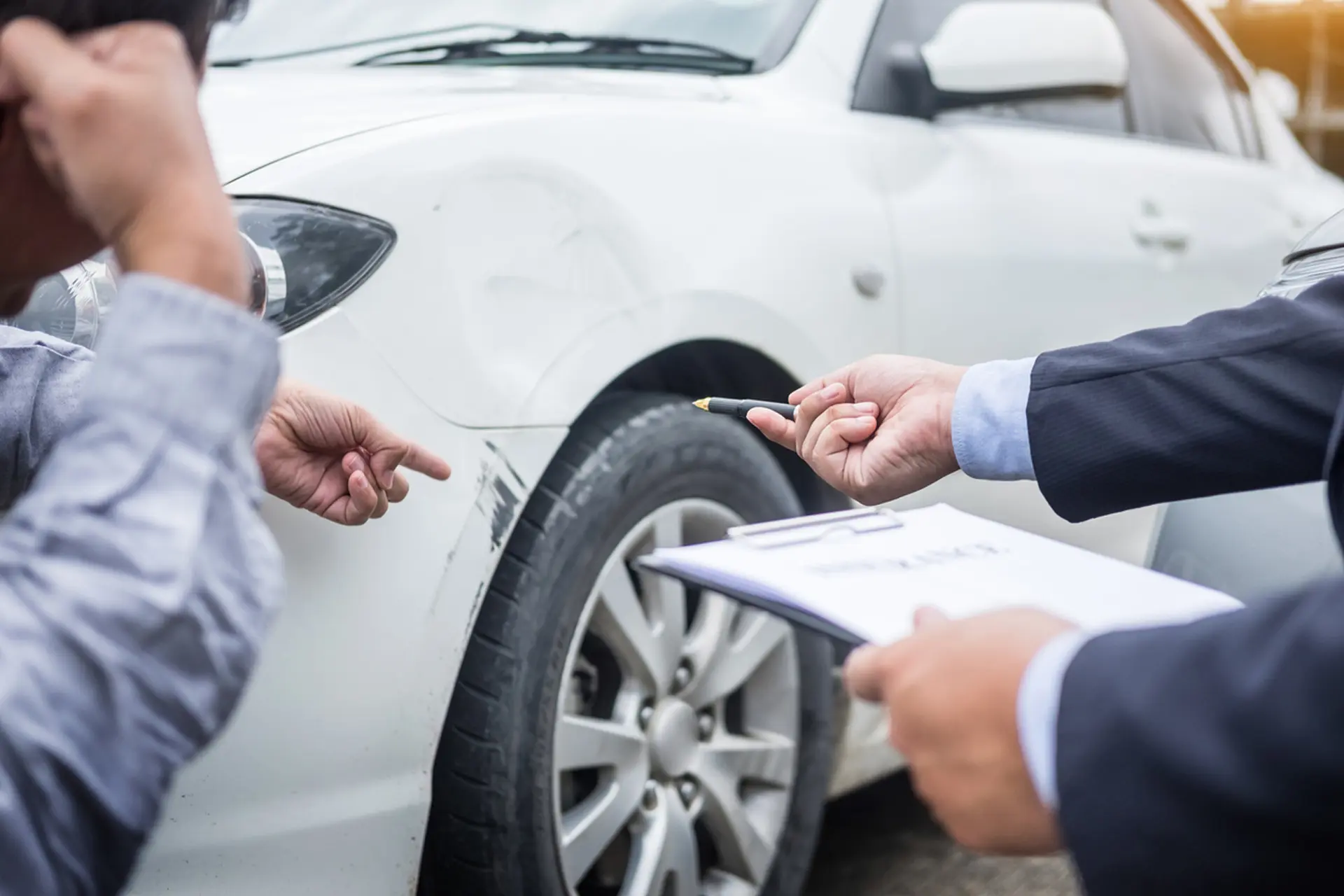
If you've just started the process of shipping your car, you're likely wondering whether you need car shipping insurance if the carrier already has insurance in place. Most people will be surprised to learn that the carrier auto transport insurance doesn't automatically cover all levels of damage. Most of the time, this type of insurance only covers car shipping damage caused by carrier negligence. That's why it is best to research what the carrier's insurance typically covers to avoid costly surprises.
This guide will explore everything you need to know about what you need to ship a car, the car shipping documents, and how car shipping insurance works.
Is Car Shipping Insurance Required?
All licensed and credible auto transport carriers are required to carry cargo insurance by the Federal Motor Carrier Safety Administration (FMCSA), which means technically you don't need to purchase your own separate shipping insurance. But it's recommended to verify what that coverage includes.
Most of the time, the carrier's shipping insurance is more than enough to provide comprehensive coverage and peace of mind, since transporting a car without insurance can be risky.
What Does Car Shipping Insurance Typically Cover?
According to the FMCSA, every licensed carrier must have commercial insurance, which is divided into two categories: automobile liability insurance and motor truck cargo insurance.
Automobile liability insurance is the baseline coverage that all carriers in the U.S. must carry. This will include coverage for the general public. For example, if the carrier damages people or property during loading, unloading, and transit, this insurance covers the costs.
Motor truck cargo insurance protects your vehicle against physical damage, theft, and loss resulting from the carrier's negligence. However, the coverage is limited to a set amount, and high-value vehicles often do not benefit from it.
Experts recommend verifying what is covered and what is excluded. Common exclusions often include loss of personal items, pre-existing damage, natural disasters, and mechanical issues.
Carrier Insurance vs. Personal Auto Insurance
The carrier's cargo insurance and your personal auto insurance are not the same thing. The biggest difference between the two is that your personal policy generally provides protection while you are driving, but not during transit. If you require additional insurance for a higher-value vehicle, it is recommended to look at gap insurance through your personal insurer. This protects against any financial shortfalls.
It is highly recommended to verify your insurance coverage before shipping for added peace of mind.
How to Verify a Carrier's Insurance Coverage
Choosing the right carrier is critical, and one way to do that is to verify the carrier's insurance coverage. You can start by requesting a Certificate of Insurance (COI) directly from the provider. This will verify whether the coverage is active, what type of coverage it includes, and the policy limits. You can then cross-check this information through the FMCSA's Licensing and Insurance (L&I) database to look out for lapsed policies.
A reputable carrier will be more than happy to share its insurance coverage. If the carrier is hesitant to provide info, this is a red flag to look elsewhere.
The Bill of Lading (BOL): The Most Important Document
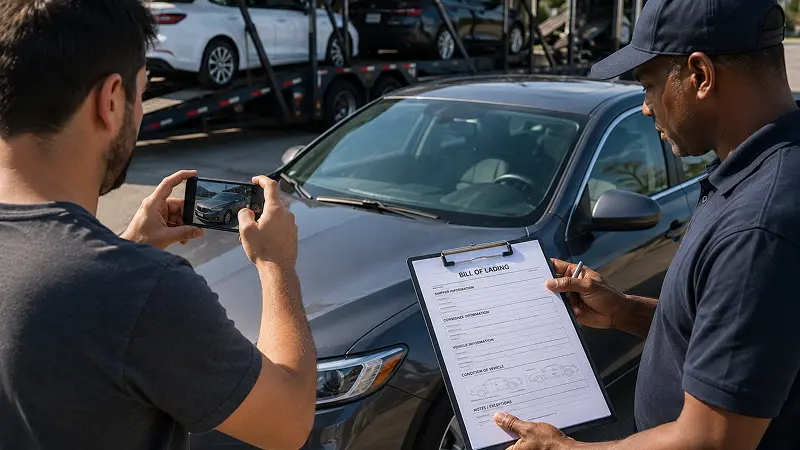
When it comes to car shipping insurance and peace of mind, the Bill of Lading (BOL) is the most important document you will need. This document captures the condition of a vehicle during the initial inspection. This legally binding document serves as a receipt, inspection report, and transport contract. Included in the document will be the names and addresses of the shipper and the consignee, a detailed description of the vehicle, any special handling instructions, and the shipping terms.
It is so important that both you and the driver carefully review the document before signing, because if damage occurs during transit, this document will help prevent conflict during the claims process. It is recommended that you take photos during the inspection to corroborate the information provided on the Bill of Lading, especially during the final inspection before release for pickup.
Required Documents for Car Shipping
While extensive documentation is required for military and overseas car shipping, standard car shipping requires less paperwork than you may think.
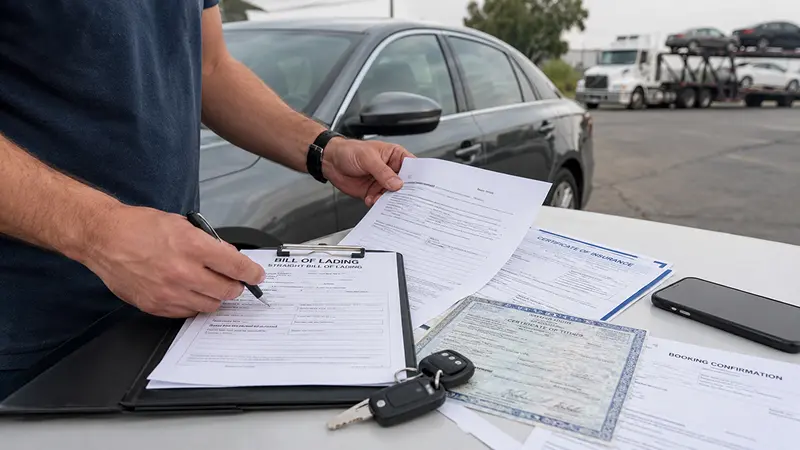
Typically, you'll need:
- Valid photo ID used for verification purposes
- Booking confirmation
- Vehicle registration is sometimes requested, and this includes the registration or title
- Lienholder authorization if the vehicle has been financed
- Power of attorney for rare cases, dealership, and other third-party pickups
It is only when you're shipping your vehicle overseas that you will need to complete customs paperwork and pay duties. Your carrier will provide guidance on how to complete this process.
Additional Documents for Special Situations
As mentioned already, standard car shipping requires very minimal paperwork. You only need to fill out additional paperwork in special circumstances, such as military PCS moves and international shipping. For example, international shipping will require titles and customs forms, while military shipping will require a copy of the PCS order and any amendments. If you have financed your vehicle through a third party, the lienholder must sign an authorization for shipping.
While you can ship a vehicle in non-running condition, it will require additional handling and specialized equipment. Not only does this add paperwork, but it also adds handling fees.
How the Inspection Process Protects You
Yes, having insurance does offer some protection, but it's the inspection process that will be most important. During the initial inspection, the vehicle's condition will be thoroughly checked and recorded in the BOL. This includes small dents and scratches, which is why keeping a car clean is so important.
During this process, it is strongly recommended to take photos of any existing damage in case of a dispute later. If your car is damaged during transit, these photos with the BOL can be used to prove negligence by the carrier.
What to Do If Damage Occurs
If the worst happens and there is auto transport damage, here's what you need to do:
- Note the damage on the delivery paperwork during the final inspection
- Take photos of the car's shipping damage
- Contact the carrier as soon as possible
- File the claim as quickly as possible with the correct paperwork that will include the BOL, visual evidence of damage, claim form, and a repair estimate
Be sure to follow the insurer's instructions to ensure a smooth process.
Car Shipping Insurance for Open vs. Enclosed Transport
While carriers for both open and enclosed shipping must carry insurance, the level of protection will differ. For example, open carriers, while the most popular option, have limited protection from outside elements, while enclosed carriers are better suited for high-value vehicles. Often, enclosed shipping offers higher insurance limits compared to open carriers. It's best to check directly with the carrier beforehand to confirm the limits.
FAQs About Car Shipping Insurance and Documents
Yes, carrier liability insurance is typically included in the quote.
Carriers usually carry at least $100,000, though this amount varies by carrier.
No, personal items inside the vehicle are not covered by the carrier's insurance. Coverage is limited to the vehicle itself.
No, you can appoint a trusted person to be present. Most times, this will require a signed power of attorney.
Signing a BOL without noting existing damage will make it nearly impossible to file a damage claim.
For domestic car shipping, you generally don't need it, but for overseas shipping, you will need the original title.
Yes, but you will need to provide a signed power of attorney.