


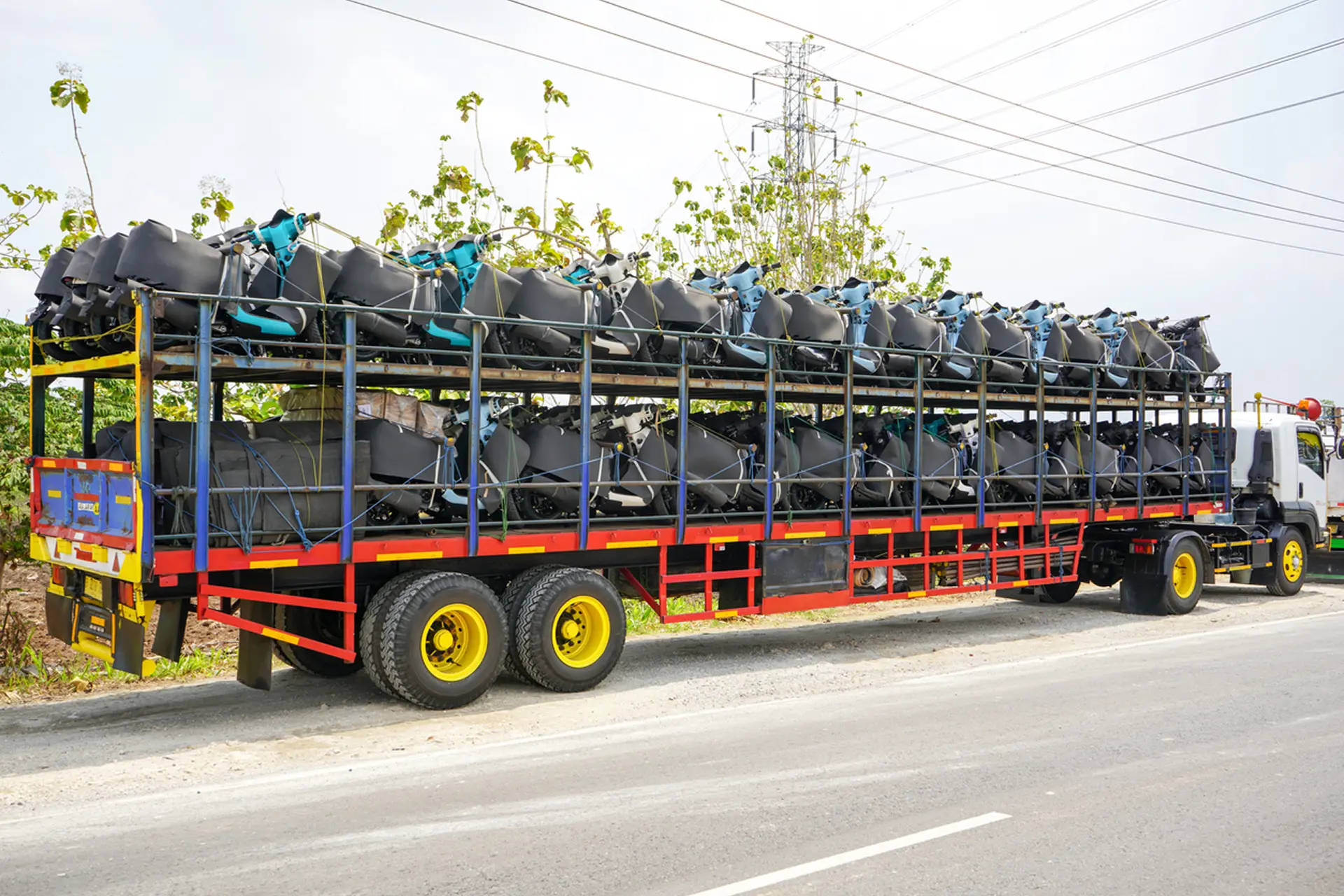
Sometimes it's easier to get your motorcycle from A to B without driving it, and that's when motorcycle shipping comes in handy. Motorcycle shipping is a specialized service that differs from standard car transport, and understanding how the process works can help ensure a smoother experience. If you're just starting the process, your first question is probably, “How much does motorcycle shipping cost?”
The answer depends on several factors, such as distance, bike size, and the mode of transport. In 2026, the cost to ship a motorcycle can range from about $300 to $1,000, depending on the specifics of the shipping quote. Understanding how these prices are calculated and what factors affect them can help you plan ahead and choose a shipping method that meets your needs.
What Affects Motorcycle Shipping Costs
Finding out the cost of shipping a motorcycle is not just a matter of asking Google. Yes, searching online will reveal price ranges, but these are only estimates. The price you pay to the transport company will depend on factors such as:
- Distance
- Motorcycle type and weight
- Open vs. enclosed transport
- Seasonal demand
- Pickup and delivery locations
Distance
The distance your bike has to travel is one of the biggest influences on cost. In general, the longer the distance, the more you're likely to pay. But it also depends on the route. More frequently used routes are often cheaper because there is greater carrier availability. For example, a longer route with strong carrier traffic might cost less than a shorter route through a remote area.
Cost is often calculated on a per-mile basis, but shorter shipments can sometimes have a higher per-mile rate because carriers still need to cover fixed costs.
On average, the cost per mile can look like this:
| Distance | Cost |
|---|---|
| Short (under 500 miles) | $300 to $500 |
| Medium (500 to 1,500 miles) | $400 to $700 |
| Long (over 1,500 miles) | $700 to $1,000 |
Motorcycle type and weight
The size of your bike will affect how much you pay. Typically, larger and heavier motorcycles take up more space and may require more handling, which can increase the cost.
Open vs. enclosed transport
The type of transport you choose will influence the price. Open transport is the more affordable option, but your bike has less protection from the weather and road debris. Enclosed transport is more expensive, but it offers more protection.
Seasonal demand
The time of year you ship your bike can also affect the total cost. Motorcycle transport during peak seasons, such as spring and summer, can be more expensive because of higher demand. Being flexible with your dates might help you get a lower rate.
Pickup and delivery locations
Pickup and delivery locations also affect the price. Remote or hard-to-reach locations may cost more because they are less convenient for carriers. In some cases, terminal-to-terminal shipping may be a more affordable option.
Open vs. Enclosed Motorcycle Transport
When shipping your bike, you'll need to choose between open and enclosed transport. As mentioned earlier, open shipping leaves your bike exposed to the elements, including weather and road debris, whereas enclosed shipping offers better protection. Because enclosed shipping offers increased protection, it usually costs more than open shipping. Enclosed shipping is often recommended for luxury, custom, and vintage bikes.
Motorcycle Crating: When It's Needed and How It Works
One of the highest levels of protection for your motorcycle is crate shipping. Your bike is securely packed in a wooden crate that minimizes movement while providing maximum protection, which is why this method is often recommended for valuable or vintage bikes.
If you're shipping your bike internationally, many companies will require crating or, at a minimum, a freight-approved motorcycle box. You can expect to pay anywhere from 25% to 30% more for crate shipping.
You might be wondering how to create a motorcycle. Most reputable shipping companies can handle crating for you. In many cases, all you need to do is prepare your bike for shipping.
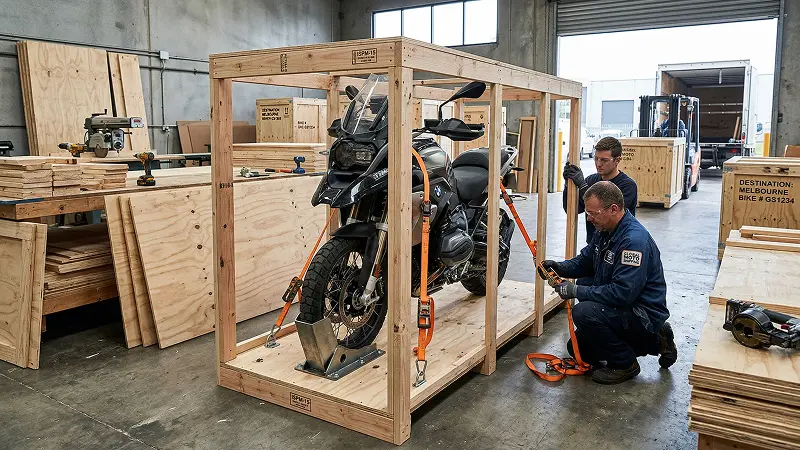 Crate shipping provides maximum protection, required by most carriers for international shipments and recommended for high-value bikes.
How Motorcycle Shipping Quotes Work
Motorcycle shipping quotes are calculated based on factors such as distance, the bike's weight and size, the time of year, pickup and delivery locations, and the shipping method used. Whether you're using an online calculator or getting a direct quote, these factors are typically used in the estimate.
It's important to understand that these prices are usually estimates at first. Pricing generally becomes final closer to pickup or booking, once details like the bike's size, condition, transport type, and locations have been confirmed.
Tips for Getting an Accurate Motorcycle Shipping Quote
The key to getting an accurate shipping quote and avoiding last-minute costs is to provide honest, accurate details from the start. This includes the bike's size and weight. If it is a custom bike or larger model, that should be communicated clearly. For example, some bikes might have custom handlebars or other modifications that take up more space. You also need to be honest about the bike's running condition.
Being specific about the pickup and delivery locations and dates is also important. The more specific you are, the more accurate the motorcycle shipping quote is likely to be.
Domestic vs. International Motorcycle Shipping
International motorcycle shipping differs from domestic shipping because it usually requires additional paperwork and customs forms. Domestic shipping generally requires less documentation and often has faster transit times.
Depending on where you're shipping your bike, the destination country may have its own customs documentation requirements. Other common documents can include the title, export declarations, and the Bill of Lading. There may also be customs duties, taxes, or import fees to pay. While domestic shipping can sometimes take as little as a few days for regional transport, international motorcycle shipping can take several weeks or longer.
International Motorcycle Shipping Methods
Choosing to ship your motorcycle internationally does come with several options, from air freight to container shipping.
Air freight
This is the fastest option and is generally recommended for urgent shipments of high-value motorcycles. Bikes usually need to be crated, which also provides extra protection. As a result, this method is often more expensive than others.
Container shipping
If you're looking for a high level of security and protection, container shipping is a strong choice. Your bike is loaded into a container, and in some cases, you may be able to ship limited personal items alongside it, depending on the carrier and destination rules.
For a more affordable option, less than container load (LCL) shipping can be used. Your bike is crated and shipped alongside other cargo in the same container.
Roll-on/roll-off
RoRo is often one of the more affordable international shipping options. It involves rolling or moving the motorcycle onto a specialized ship, where it is then secured in place.
Documents Required for International Motorcycle Shipping
International motorcycle shipping requires more paperwork than domestic shipping. In many cases, you'll need:
- The original registration or title
- Bill of sale
- Passport for verification purposes
- Bill of Lading
- Insurance documents
- Import and export documents or permits, when required
- Packing list for container shipping
- Compliance certificate, depending on the destination country's requirements
How Long Does Motorcycle Shipping Take?
Domestic shipping timelines depend on distance, route, weather, and carrier availability. Generally, short distances of up to 300 miles can take a couple of days. Longer distances over 800 miles can take a week or more, depending on the route and scheduling.
International shipping by sea can take several weeks, while air freight can take several days to around two weeks. These timelines depend on the destination, weather conditions, demand, customs processing, and the shipping method used.
How to Prepare a Motorcycle for Shipping
Making sure your bike arrives in the same condition as when you shipped it starts with proper preparation. This includes:
- Clean your bike to make inspection easier
- Drain fluids, such as fuel, according to the transport company's requirements. For domestic shipping, some carriers may allow up to about a quarter tank of fuel.
- Remove loose accessories like mirrors, saddlebags, phone mounts, and GPS units
- Document existing damage and the bike's condition by taking photos
- Remove or disconnect the battery if required, especially for crated or international transport
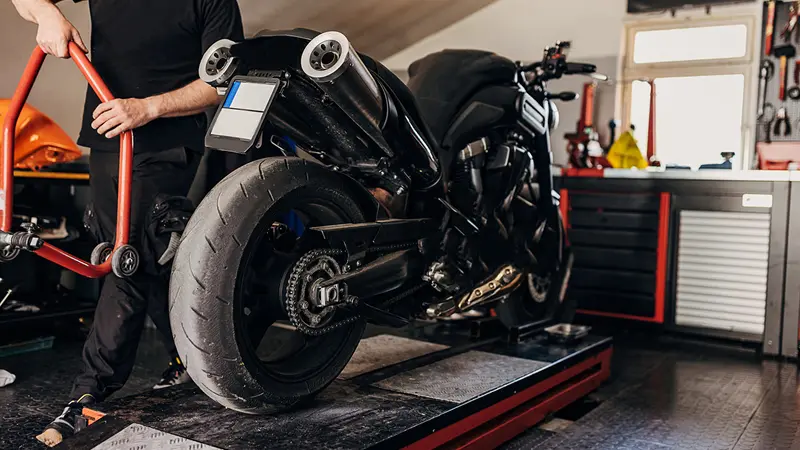 Proper preparation, cleaning, draining fluids, removing accessories, and photographing existing damage, helps avoid disputes and delays.
Frequently Asked Questions
Yes, motorcycle shipping is generally safe when you use a reputable company with proper equipment and insurance coverage.
Insurance is highly recommended, and many transport companies include some level of carrier coverage. It's still important to verify what is covered and whether you need additional protection.
Yes, but it depends on whether the transport company offers that service, and there may be added costs because special equipment could be required.
Not always. You can often have someone you trust act as your representative, as long as the shipping company allows it.
This depends on the shipping type and the company's policy. In some container shipments, limited personal items may be allowed, but many carriers restrict them.
Yes, motorcycles are usually secured upright with straps and wheel chocks, unlike cars, which are secured differently during transport.
The damage should be noted on the Bill of Lading at delivery, and a claim should be filed with the carrier or insurer based on the shipping company's claims process and coverage terms.
Yes, some dealerships and sellers offer this service, although there may be additional fees.
Yes, many shipping companies offer door-to-door service for motorcycles, although availability can depend on the route and location.
Yes, and shipping multiple motorcycles together can sometimes reduce the per-bike cost.