


If you've just started the process of transporting your vehicle from point A to point B, you'll have noticed that there is no set price. This is because the state, the specific route, and the pickup/delivery city largely influence car shipping.
For example, you'll have an easier time finding availability if you're making use of busy shipping corridors to ship a car from Florida to California. Admittedly, car shipping can feel like a puzzle at times, so this guide will help you compare how geography impacts pricing, timing, and transport options, whether you're shipping a car from Florida or looking for car transport in Alabama.
How Car Shipping Networks Operate Across the U.S.
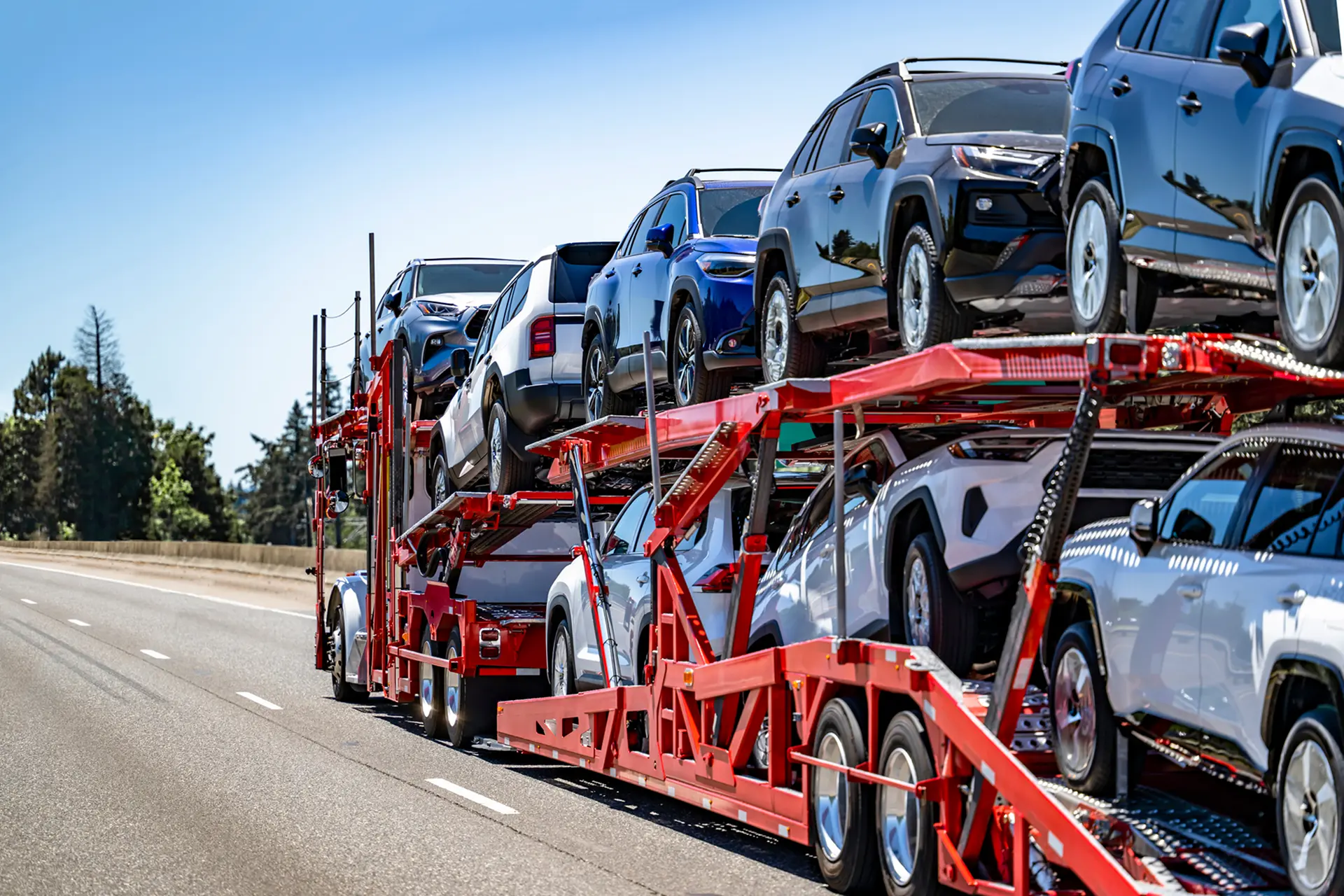
The car shipping industry relies on smooth, efficient operations at all times, which is why car shipping companies operate fixed interstate corridors. Most vehicles move on multi-car carriers (7-10 vehicles) on major interstate highways such as I-95, I-10, I-40, and I-80. One of the busiest routes in the country is I-95 between Florida and New York, particularly due to seasonal moves.
The I-10 is another very busy route because it is the main interstate that connects Texas and California, making it a popular car shipping route. Choosing routes like these offers the advantage of being cheaper due to consistent carrier availability.
To make the shipping process as convenient as possible, brokers will match vehicles with carriers already operating along specific lanes. For example, a broker will select a carrier that offers Florida to California shipping specific routes.
Car Shipping by State: Demand and Pricing Differences
As already mentioned, car shipping will vary significantly depending on the location, route, and demand. For example, high-demand states like Florida, California, Texas, and Arizona typically have competitive pricing due to greater carrier availability. Constant demand keeps carriers moving, and that's what keeps prices stable.
That's why if you're shipping your car through rural or remote areas like Montana, Wyoming, North Dakota, and Vermont, you'll find that the price might be higher than popular car shipping in Texas.
However, stable pricing is not always guaranteed, especially in states like Florida and Arizona, and in northern states during the summer. This happens because states like Florida and Arizona are popular among snowbird movers seeking to avoid the cold. High demand during these seasons can cause price fluctuations.
Popular Interstate Car Shipping Routes (Why They Cost Less)
The more popular the car shipping route, the less they'll generally cost. Car shipping costs are influenced by the cost per mile, and when carrier availability is higher, the cost per mile can be lower. Car shipping companies can group multiple vehicles to avoid empty return trips to increase fuel efficiency. Using popular lanes also offers other benefits, such as faster pickup times and more carrier options, including open or enclosed carriers. Some of the most popular interstate car shipping routes include:
Most popular interstate routes
Shipping Between Major Cities vs Smaller Cities
In addition to routes, the size of the city can significantly affect scheduling flexibility, availability, and pricing. For example, major metro-to-major-metro shipping is often cheaper, has faster scheduling, and more enclosed transport availability. Metro-to-rural car shipping typically has longer pickup windows and possible surcharges, while rural-to-rural shipping is often the most expensive option.
This happens because there are fewer carrier options, and the terrain is often not suitable for large carriers, so a nearby meeting point will need to be scheduled.
| Route type | Cost | What to expect |
|---|---|---|
| Metro ↔ Metro | Lowest | Fastest scheduling, most enclosed transport availability, easiest pickup & delivery. |
| Metro ↔ Rural | Mid | Longer pickup windows, possible surcharges, may need a meeting point. |
| Rural ↔ Rural | Highest | Fewer carriers, longer waits, terrain may not suit large transporters. |
Carriers prefer to use easily accessible highways and large urban hubs to safely navigate to the pickup/delivery location. For example, in metro areas, streets are often wider, and businesses have infrastructure for large deliveries.
Regional Cost Differences Across the U.S.
By now, you'll have learned that car shipping pricing varies by region and is influenced by distance, traffic patterns, and seasonal demand.
For example, in the Northeast states, distances are typically shorter, but traffic is often dense, with tighter delivery access. These states also regularly experience delays caused by winter weather. In the Midwest, particularly on long-haul routes like Illinois, pricing is more competitive because it is a major transport corridor.
In the Southern states, car shipping in Florida can benefit from strong year-round demand that translates into stable prices. During the fall and spring, prices can rise because it is peak snowbird season.
West coast car shipping generally sees strong intra-state demand that can help ease the higher costs of the longer distances.
Open vs Enclosed Transport Availability by Location
When shipping a car, the two most commonly used carriers are open carriers and enclosed carriers. Both are popular and safe choices, but in some locations, enclosed shipping is not as readily available. While open-carrier shipping is safe, some car owners prefer the added protection of enclosed shipping. However, this option can typically cost 30-60% more, whereas open shipping is more affordable and accounts for around 85-90% of shipments.
- Most affordable option
- Widely available everywhere
- Faster pickup times
- Standard for most vehicles
- Added weather protection
- Best for luxury / classic cars
- Limited availability in rural areas
- Longer scheduling timelines
States that have a higher availability of enclosed carriers include:
California, Florida, New York, Texas
You might find that although smaller cities do offer enclosed carriers, they might have limited scheduling, which can result in a longer timeline compared to open carriers.
Door-to-Door vs Terminal Options by Area
While door-to-door shipping is the most convenient option, it will depend on the geography of the area. Most people don't realize that door-to-door shipping often means delivering as close as legally and safely possible.
In urban areas, there may be a higher availability of carriers, but narrow streets can make it impossible for large trucks to safely access. In this case, the driver will arrange a nearby meeting point in the parking lots of wide roads.
In rural areas, there might be more space for flexibility. However, fewer route options can make terminal shipping the better option.
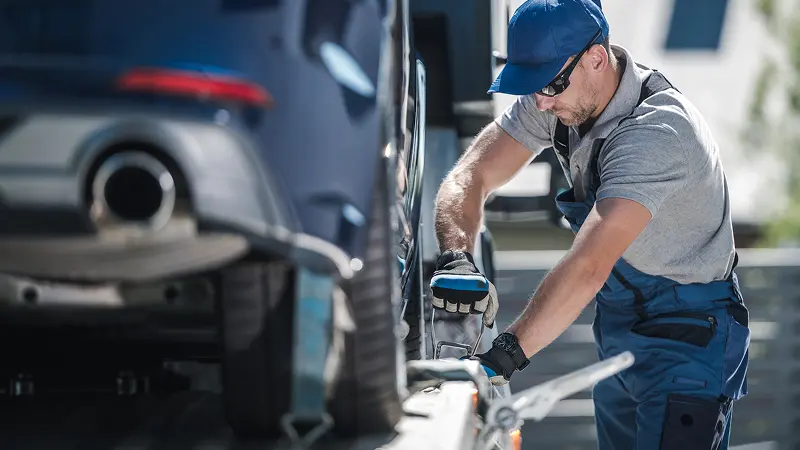 Whether door-to-door or terminal, every vehicle is hand-secured to the carrier before transport.
Seasonal Shipping Trends by State and Route
Car shipping pricing fluctuates, but the demand follows predictable seasonal patterns, which can help you plan for lower shipping costs. During the winter and fall months, there is high demand for car shipping between northern and southern states due to snowbird traffic seeking warmer states. During this peak, there's often higher pricing on routes to Florida, Texas, and Arizona. In the spring, this pattern is reversed as snowbirds return north, which again results in a high demand.
Seasonal pricing at a glance
Snowbird traffic flowing south. High demand on routes to Florida, Texas, Arizona.
Snowbirds return north, same routes spike in the opposite direction.
Nationwide relocation season, especially college and military moves.
Between peak seasons, generally the best window for stable rates.
Car shipping during the summer can also experience price fluctuations, as it is a common nationwide relocation season, particularly for college and military moves. During the winter, inclement weather can cause delays even if demand is low. Being flexible with your scheduling can help you secure stable pricing.
Example State and Route Comparisons
Car shipping pricing largely depends on the distance, route popularity, and the pickup/delivery location. For example, Florida to California car-shipping is considered a long-distance cross-country route, but despite the longer distance, the prices remain competitive due to high demand. By contrast, car shipping between Dallas and Houston might be a shorter route with a higher cost per mile, but the total price remains low because of that shorter distance.
Shipping from a rural Montana town to a busy urban hub like Chicago may involve longer pickup windows and potential rural surcharges. Seasonal demand can influence pricing, particularly on routes between New York and Florida, as snowbird traffic increases.
| Route | Distance | Pricing dynamic |
|---|---|---|
| Florida → California | Long, cross-country | Competitive despite distance due to high demand |
| Dallas → Houston | Short intrastate | Higher cost per mile, but low total price |
| Rural Montana → Chicago | Long, low-density origin | Longer pickup windows + potential rural surcharges |
| New York ↔ Florida | Mid-distance | Heavy seasonal pricing swings from snowbird demand |
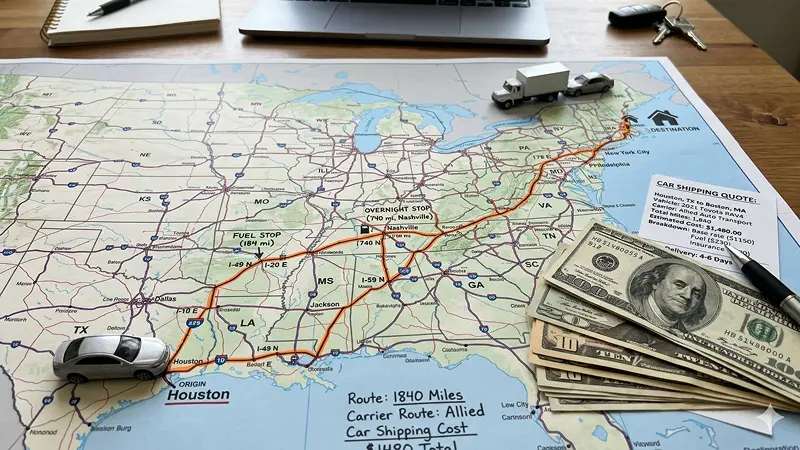 A real-world quote combines distance, route, and seasonal demand into a single number, comparing several can save hundreds.
How to Compare State, Route, and City Options Before Booking
While a fixed price for car shipping is rarely guaranteed, you can get an idea of costs by comparing state, route, and city options before booking. Start by looking at the route. Are there high-traffic lanes between major hubs? This means you might get better pricing and more availability. Next, consider your pickup and delivery locations. Are they in an urban area with limited or easy access? Rural locations can sometimes have added costs and longer wait times.
You should also consider the time of year you want to ship your vehicle. Remember, certain routes can become more expensive when demand peaks. You'll also want to compare open and enclosed carrier availability according to your vehicle's needs. Finally, consider your flexibility. If you're more flexible with pickup dates, you may be able to secure better pricing.
Ways to Reduce Costs Based on Location
If you're shipping a car from Florida to New York or vice versa, avoid peak snowbird months as this is when demand is at its peak. Car shipping in California might have higher availability, but metro areas might have limited truck access, so keep this in mind when choosing your pickup points. It's also recommended to have flexible pickup windows to reduce costs.
You can reduce car shipping costs in states like California, Texas, Florida, and New York by choosing open carrier shipping. Consider booking 1-2 weeks ahead to lower costs.
Key Takeaways
- Routes drive price Popular interstate corridors cost less per mile than uncommon routes.
- City size matters Metro-to-metro is cheapest. Rural-to-rural is most expensive.
- Open transport is the default It's 30-60% cheaper than enclosed and covers 85-90% of all shipments.
- Avoid peak snowbird seasons FL/AZ/TX prices spike in winter and spring.
- Book 1-2 weeks ahead Flexibility on pickup date typically unlocks better pricing.
- Verify the carrier Always confirm FMCSA registration before paying.
Frequently Asked Questions
Yes, as they're high-volume routes.
During snowbird season, states like California and Florida are the most expensive to ship cars from.
Yes, the cost-per-mile drops because longer distances are more efficient with reduced downtime between pickups.
The timeline will depend on the traffic, route, and weather, but long-distance or cross-country routes can take up to two weeks.
Yes, difficult-to-navigate terrain and uncommon routes can result in surcharges and delays.
No, smaller or rural cities might have limited or no enclosed carrier availability.