


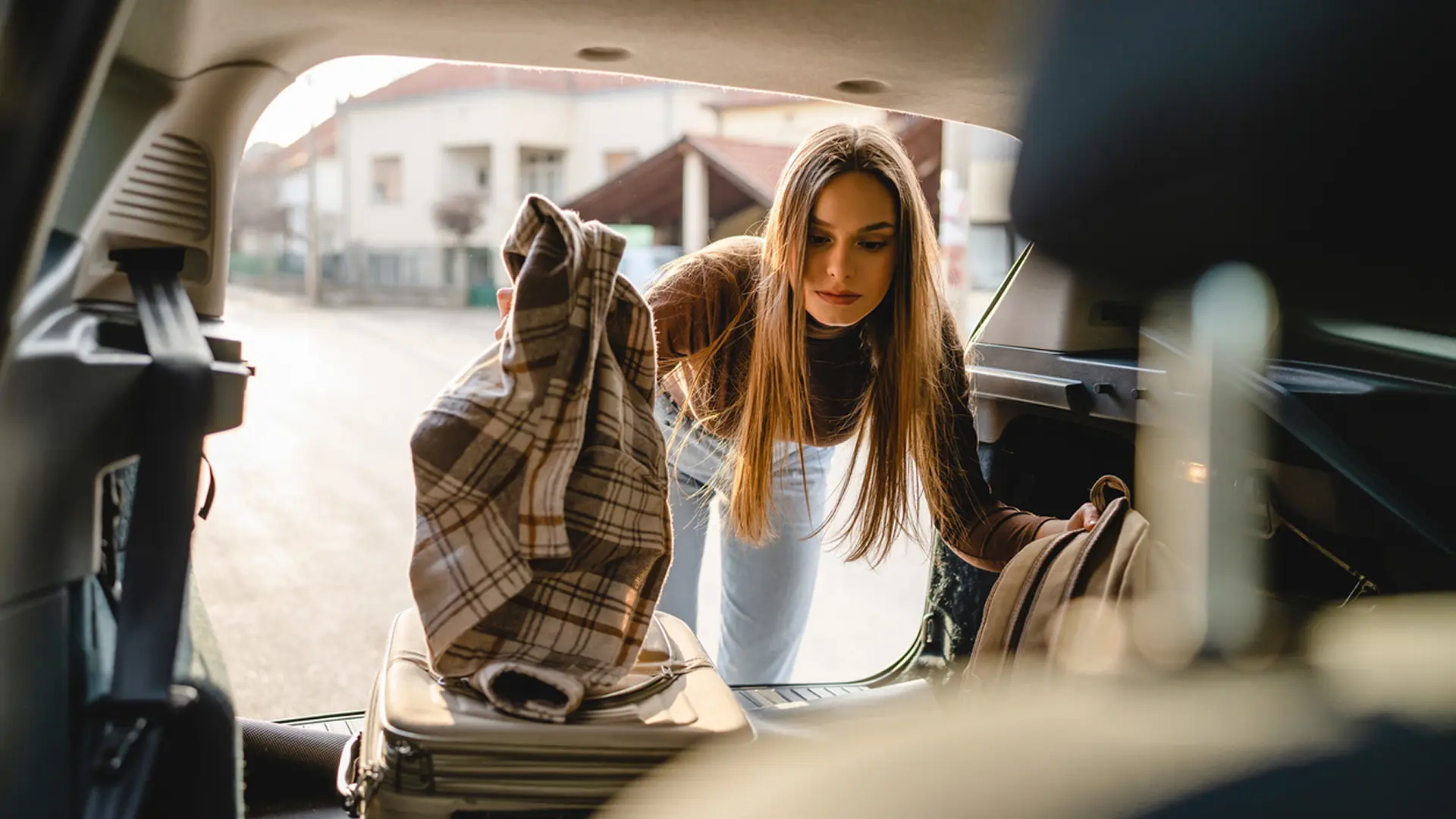
One of the most common questions that people have when preparing their vehicle for car shipping is, "Can you put stuff in the car when shipping?" There is no black-and-white answer, as this depends on the carrier's policy. But it is recommended to know what you're allowed to put in your car for shipping, as prohibited items can delay loading and result in fines. This guide will explore whether you can ship a car with items inside and what's not allowed.
What You Can Usually Leave in the Car
Some carriers allow limited, lightweight personal items to remain in the vehicle during shipping. However, this permission is not guaranteed and will require approval from the carrier.
Items you can leave in the car include factory-installed equipment such as jacks and spare tires, a small emergency kit, and a child's car seat. Other items, such as clothes, blankets, pillows, books, and documents, may be accepted as long as they meet the weight restrictions. If approved, these items should be packed securely.
Just because an item is small or appears harmless does not automatically mean you can leave it in the car. Always check with the carrier beforehand.
What You Should NOT Leave in the Vehicle
While some carriers might allow a limited number of personal belongings, there are certain items that are prohibited:
- Electronics
- Alcohol
- Tobacco
- Drugs
- Perishable food
- Live plants
- High-value goods like jewelry, vehicle titles, and passports
- Documents
- Cash and valuables
- Firearms
- Hazardous materials, explosives, and flammables
- Cleaning products
- Heavy boxes
- Pets (yes, you'll be surprised at what people pack!)
Not only is there no insurance coverage for personal belongings, but there is also no coverage for packing any prohibited items, which can result in fines, delays, and even denial of service. It is strongly recommended that you read your carrier's list of prohibited items or ask them before packing.
Why Auto Transport Companies Restrict Personal Items
Car shipping companies restrict personal items largely due to Department of Transportation (DOT) weight regulations, high theft liability, and safety risks. Did you know that simply putting items inside your car doesn't mean they're covered by the carrier's insurance? Most reputable carriers provide insurance coverage only for damage resulting from carrier negligence. Vehicles with high-value items can be targets for theft during transit, particularly during stops.
Carriers are also subject to DOT weight regulations. You might not think a couple of small personal items will make a difference, but if everyone thinks that, the extra weight can cause the trailer to exceed weight limits, resulting in fines and delays.
There's also a safety aspect to consider. Heavy or loose items can move around during transport, which can cause damage to the vehicle's interior and exterior. You should always follow the instructions your carrier provides.
 Carriers restrict personal items for reasons that go beyond convenience — weight limits, theft liability, and loading safety all factor in.
Is It Legal to Leave Personal Items in a Shipped Car?
It may be tempting to leave your personal items in your car, but violating federal transport regulations is not worth the headache. Not only is the carrier at risk of fines, but sometimes the items are confiscated at checkpoints.
Leaving personal items in the shipped car, no matter how small they are, is often against most carriers' licensing. Most reputable carriers' licenses only cover vehicle transport and not personal items. Again, it is recommended to contact your carrier before packing to confirm.
How Much Weight Is Typically Allowed?
Some carriers allow a limited amount of personal items to be stored inside the vehicle, typically up to 100 pounds. This is an industry standard used to reduce the car's total weight and mitigate the risk of damage, as car shipping carriers are not moving companies.
The weight limit is not a guarantee and can vary according to the carrier's policy.
Insurance and Liability: Are Your Items Covered?
According to DOT and the Federal Motor Carrier Safety Administration (FMCSA), all car shippers are required to carry cargo and liability insurance. However, this coverage is limited to damage caused by carrier negligence during transit and loading. Typical exclusions include personal belongings inside the vehicle and "acts of God."
If you are going to leave your personal items inside the vehicle, you need to be prepared to shoulder the risk. Before booking your vehicle, it is best to check that the carrier has a certificate of insurance and an active USDOT number.
Tips If You Decide to Leave Items Inside
If you have decided to ship your car with items inside, there are a few things you need to do. First and foremost, you need written permission from the carrier. Next, make sure the items are packed securely in the trunk, do not exceed the weight limits, and are not prohibited items.
Protect yourself by not packing valuables like jewelry, and take photos of the items packed in the trunk before loading.
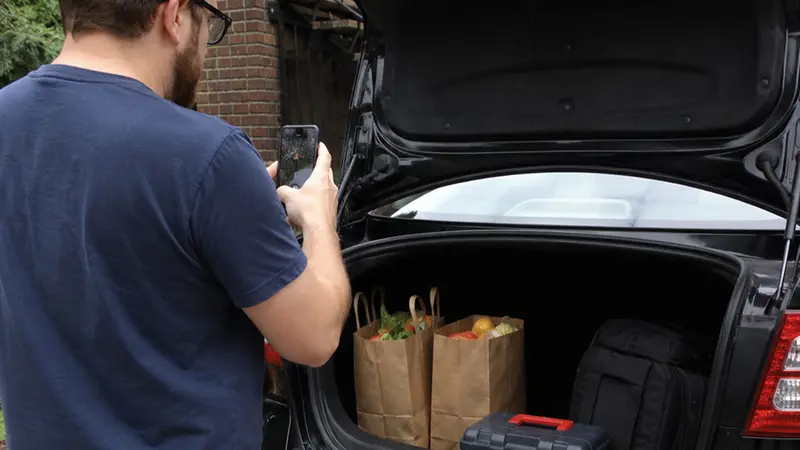 Photographing what's inside the trunk before pickup gives you a record of exactly what you packed and its condition.
Preparing Your Car for Shipping
Avoid delays and added costs by preparing your vehicle properly:
- Clean the exterior and interior of the vehicle. This makes it easier to see the vehicle's condition during pickup and delivery.
- Remove most items like loose accessories and personal items
- Check for leaks and repair them
- Ensure tires are inflated
- Disable the alarm
- Check that the battery is charged
- Leave the fuel tank ¼ full
- Take photos of the interior and exterior
FAQs About Leaving Items in a Shipped Car
This will depend on the carrier's regulations. Some might allow limited personal belongings.
You might be allowed to leave clothes in the car, but not boxes. It's recommended to check with the carrier first.
Yes, the driver will do this during the initial inspection to check that no prohibited items are left inside.
Yes, you may be charged extra if the weight exceeds the weight limit or if there are prohibited items.
Because there is no insurance coverage for personal belongings, if something goes missing, that cost will come out of your pocket.
This will depend on the carrier. Some will allow small household items, such as kitchenware, blankets, and pillows.