


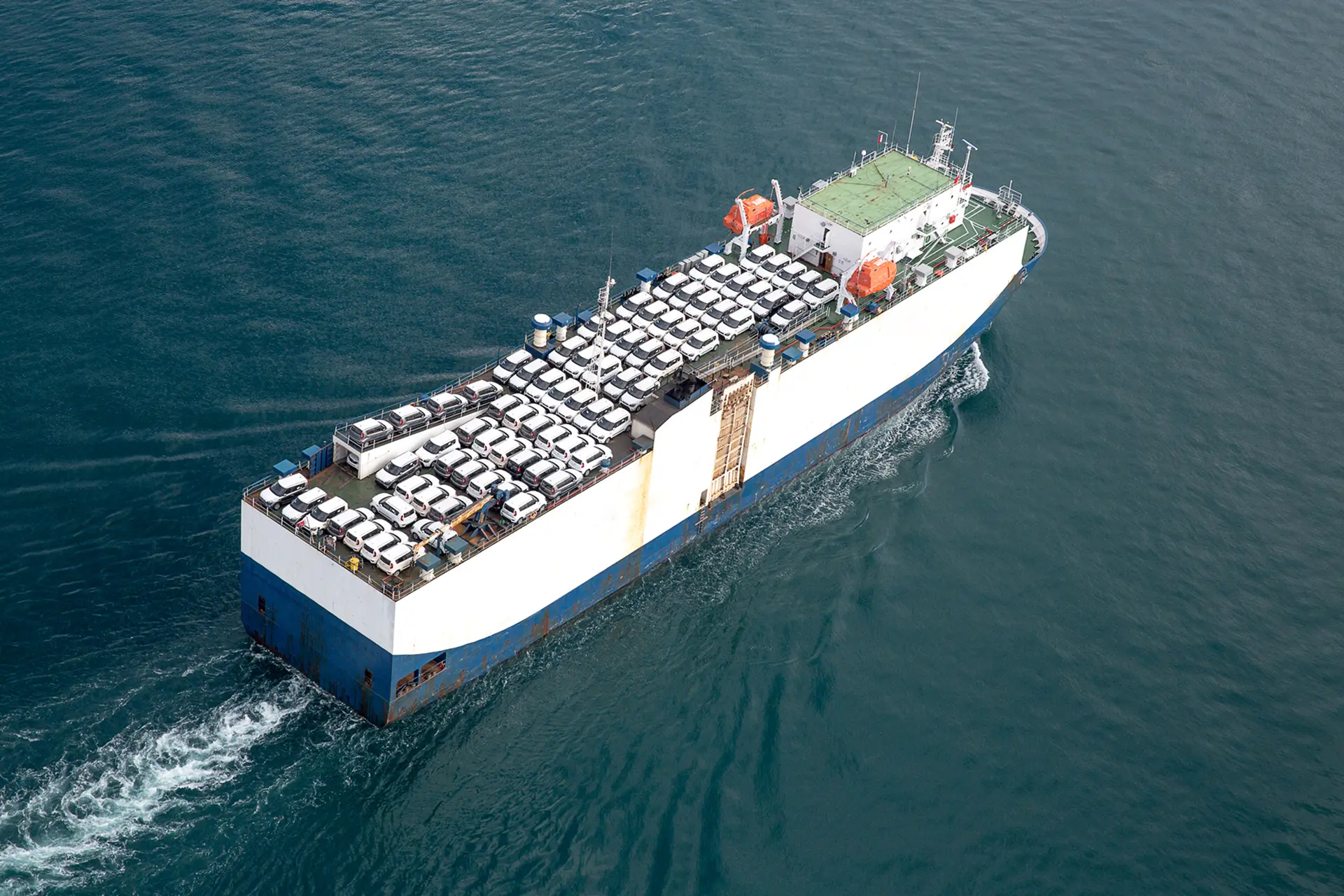
If you're just starting the car shipping process, you're probably wondering how to ship a car internationally and whether it's different from domestic shipping. International car shipping is a more complex process than domestic shipping. You've got additional paperwork, longer timelines, and higher costs. Knowing what to expect can help this process go by smoothly without unnecessary delays or costs.
This guide will explore everything from the cost to ship a car overseas and the shipping methods, to getting your first shipping quote, to sharing some tips for safe shipping.
How Much Does It Cost to Ship a Car Overseas?
One of the first things people ask when they start researching car shipping is, "How much does it cost to ship a car internationally?" The truth is, there is no set cost because pricing is based on multiple factors that can change. Factors such as distance, destination country, shipping method, season, and the type of vehicle being transported can influence the price.
For example, reputable shipping companies charge $500 to $2,000 for RoRo shipping, whereas container shipping can cost anywhere between $1,000 and $3,500. Generally, the farther the distance, the higher the shipping cost.
These figures are just estimates. The final price you pay will depend on the factors mentioned earlier.
What Affects International Car Shipping Costs
Having an understanding of what influences shipping prices can give you an idea of what to expect to pay. Remember, at this point in the process, these prices are just estimates.
 International car shipping routes span every major ocean - route distance and destination port are two of the biggest factors in your final price.
Shipping distance
Longer journeys will result in higher costs. For example, shipping internationally can cost more than shipping by car within the same country.
Destination port
In addition to shipping distances, the destination port must be considered. To enter that port, you'll have to comply with the country's duties, taxes, and regulations first. For example, the UK charges around 20% VAT on the vehicle's value, plus customs duty, which can be around 10% for passenger cars.
Vehicle size and weight
The size of your vehicle can affect your final price, and when it comes to international car shipping, space is money. For example, larger SUVs will require more space, and because rates are based on volume, they can be high. Standard sedans are the most cost-effective vehicles to ship because they fit into shared containers.
Modified vehicles with lift kits may incur additional fees if they are considered oversized cargo.
Transport method
The shipping method you choose can make a big difference in price. RoRo (Roll-on/Roll-off) is the most cost-effective option because there are no fees for container handling or specialized equipment. The other option is container shipping. This shipping method does have increased protection, which comes with a higher price tag. Sometimes the price differences between these two methods can be quite substantial.
Fuel prices
The cost of international car shipping is heavily influenced by the global fuel prices, such as diesel and oil. When these prices are set, shipping companies adjust their surcharges according to market conditions. This is why shipping quotes will state that the prices included are estimates subject to change.
Custom fees
Each destination port will have its own customs fees that must be paid before the vehicle can legally enter the country. Depending on the location, these fees can greatly raise your total price.
Seasonal demand
The time of year you choose to ship your vehicle can also affect pricing. For example, shipping during peak periods like summer and winter can lead to higher demand, resulting in higher prices. Being flexible with your dates can help you potentially lower shipping costs.
International Car Shipping Methods Explained
There are three commonly used car shipping methods you'll get to choose from: roll-on/roll-off (RoRo), container shipping, and air freight.
Roll-on/roll-off (RoRo) is popular because it is the most cost-effective. The vehicles are simply driven onto the ship and rolled off at the destination. This method uses quick loading and unloading, making it a good option for standard passenger vehicles. It is worth noting that this method offers less protection from the elements than others, so personal items cannot be shipped in the car.
For increased protection, container shipping is the recommended option. Your vehicle will be loaded into a metal container, where it will be protected from the elements, allowing you to ship personal items alongside it. Because of the added protection, this method is more expensive but is recommended for high-value, modified, and non-operational vehicles.
Air freight shipping is the more costly but fastest option. Vehicles are simply loaded onto the cargo plane and flown to their destination within days. This expensive method is recommended for luxury vehicles or expedited deliveries.
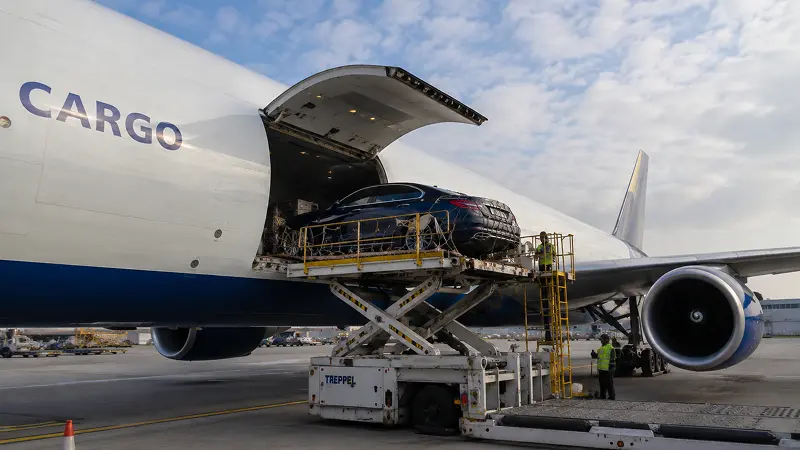 Air freight is the fastest international shipping option - ideal for luxury or time-sensitive vehicle transport, but significantly more expensive.
How the International Car Shipping Process Works
The international car shipping process might sound complicated, but it follows a straightforward set of steps, starting with booking your shipment.
At the beginning of booking your shipment, you'll need to choose the transport method, share key details such as dates, vehicle size, and weight, and confirm the pickup and drop-off locations. Your shipping company will provide an estimated timeline and cost. This is your chance to voice concerns and ask questions.
Once you agree on the booking, you will need to prepare the vehicle for pickup. This involves cleaning the vehicle, emptying the gas tank according to the company's requirements, and removing personal items. During pickup, the driver will conduct a vehicle inspection and fill out the condition in the Bill of Lading.
At the port, the vehicle will undergo various documentation checks to clear it for export. After this, the vehicle is loaded onto your selected shipping method and shipped. During this transit process, you may receive shipping updates from your carrier.
Upon arrival at the destination port, your vehicle will go through customs clearance and other paperwork checks. During drop-off, it is recommended to carry out a final inspection. If damage occurred during transit, you can file a claim with the carrier company.
Documents Required to Ship a Car Overseas
To ship your car overseas, you'll need the following:
- Vehicle title: This proves ownership of the case and is required by customs
- Registration: Used for verification purposes
- Bill of sale: Especially if the vehicle was recently purchased
- Passport: Used for verification purposes
- Custom forms: Usually include a declaration of goods listing vehicle value and origin
- Lien holder authorization: Used if the vehicle is financed by a third party
- Bill of Lading: Describes the condition of the vehicle before and after transit
How Long Does It Take to Ship a Car Internationally?
The timeline for international car shipping varies based on factors such as the destination country's processes, port congestion, and customs clearance. Missing or incorrectly completed paperwork can delay this process.
Transit times for RoRo shipping can range from 2 to 4 weeks, whereas container shipping can take up to 6 weeks. Air freight can take a few days. This excludes the customs clearance process and the time required to transport the vehicle from the port to the final destination.
How to Get an International Car Shipping Quote
Because vehicle shopping prices are affected by the vehicle size, origin, destination, shipping method, and dates, it's important to be completely honest about these conditions. Omitting details, such as the car's true condition, can result in delays or additional costs, such as handling fees.
Remember that the prices you get on your shipping quote are just estimates because of fluctuating external factors.
Tips for Shipping a Car Overseas Safely
While international car shipping is safe for the most part, there are some things you can do to prevent potential damage:
- Choose the right shipping method for your vehicle. For example, if you want to ship personal items alongside your vehicle, choose container shipping.
- Prepare the vehicle properly by removing all loose objects and accessories, disabling alarms, fixing any leaks, and maintaining a fuel level according to the shipping company's standards.
- Take photos of the condition for insurance purposes
- Understand what the carrier's insurance covers (usually limited)
- Avoid quotes that are unusually high, as the company might be using bait-and-switch tactics.