



Before shipping your car, calculating costs is one of the most important steps. Understanding how a shipping quote is calculated will help you determine the best service for your shipping needs. One of the most important things you need to keep in mind is that quotes are not fixed prices. Car shipping quoting is very often not a "one-size-fits-all" approach.
The final number you receive might differ from the quote. This often happens because costs are calculated based on multiple variables, such as distance, vehicle size, transport type, and season. Having this knowledge can help prepare you for changes in your costs.
What Is a Car Shipping Quote?
The world of car shipping quotes can be overwhelming. There are instant online quotes generated by calculators and a final carrier-confirmed price that can differ greatly. Online car shipping cost calculators are great tools for instant estimates. This quote may include:
- Base price: The core cost of shipping your vehicle from A to B. This price factors in the cost per mile.
- Insurance details: Most shipping carriers include basic cargo insurance to cover damage during transit.
- Service type: The quote will reflect the service selected, such as enclosed or open car shipping and door-to-door vs. terminal-to-terminal.
Remember, the prices in an instant quote are just algorithm-driven estimates. The final carrier-confirmed price is the price the shipping company accepts for the shipment, and dispatch is confirmed, with factors such as distance, timing, and fuel prices factored in.
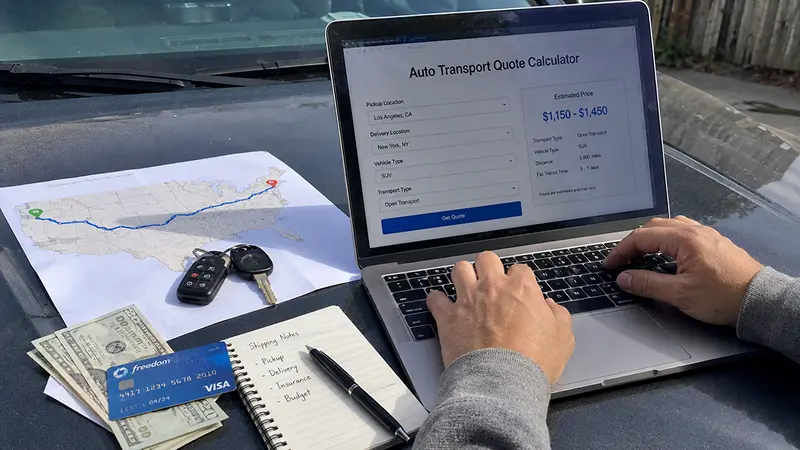 Online quote calculators give a fast estimate based on pickup and delivery locations, vehicle type, and transport service.
How Car Shipping Quotes Are Calculated
Car shipping quotes are not a "one-size-fits-all approach". Every quote will differ based on factors such as distance, vehicle details, transport type, and timing.
The backbone of car shipping costs is the distance of the journey, as this price includes additional factors such as fuel costs, driver time, and carrier vehicle wear and tear. This is known as the cost per mile. Longer routes require more fuel and extra driver time. These factors are used by car shipping companies when calculating base-rate pricing.
The size and type of vehicle needing to be shipped also play a large role in determining costs. The vehicle's dimensions and weight will influence the shipping method and the equipment required to load it.
Choosing between open and enclosed carriers can make the biggest difference in the cost of car shipping. Open carriers are the most common type of service and the most affordable.
Shipping timelines can significantly affect the final shipping cost. Expedited vs standard shipping can result in a big cost difference, while seasonal demand and route popularity are also taken into account. For example, peak shipping periods like summer will see increased costs due to higher demand, which will be reflected in your shipping quote.
Main Factors That Affect Car Shipping Prices
As already mentioned, the price of shipping your car will depend on multiple factors:
- Distance
- Vehicle size and condition
- Type of carrier service
- Seasonality
- Fuel costs
- Pickup/delivery locations
Distance
The distance and route are the biggest factors in car shipping costs. The cost per mile is calculated based on the route distance and its efficiency. The current average cost per mile ranges from $0.55 to over $2.00, depending on distance. You'll be surprised to learn that longer distances do not automatically mean more expensive. Often, longer distances have a lower cost per mile because of an efficient route and fuel planning.
Vehicle size and condition
Your vehicle size matters. Larger cars often require more space and weigh more. Non-running or modded cars will require additional specialized loading equipment because they cannot be rolled on and off as normal. These scenarios often incur higher fees because they take more time and effort from the driver.
Type of carrier service
The cost difference between open and enclosed car shipping quotes can be significant. Open carriers are the more affordable choice if you don't need protection from the elements and have a compact vehicle. Enclosed carriers are more expensive as they have sides and a roof. This method is often used for luxury and vintage vehicles.
Seasonality
Shipping during peak months can increase costs due to high demand. For example, the summer months and the snowbird season, when people migrate to warmer states, are among the busiest shipping times. The weather can also significantly affect shipping costs. Winter months with heavy snow or difficult driving conditions can add costly complications and delays.
Fuel costs
The cost of fuel for shipping your car throughout the entire journey is factored into the price, and because fuel prices fluctuate, so will the costs of shipping. If you've selected multiple-car open carrier transport, the fuel cost is shared among the cars.
Pickup/delivery locations
The choice between door-to-door and terminal-to-terminal shipping can also affect shipping costs. While more convenient, door-to-door shipping costs more than dropping off and picking up your car at the terminal. This is especially true if pickup is at a rural or hard-to-reach location, as it requires more driving time and fuel.
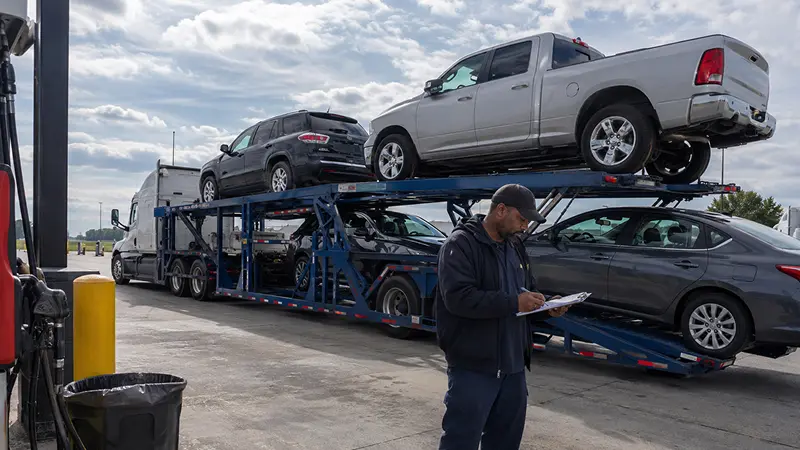 Driver time, fuel, and vehicle wear are all built into the cost per mile that shipping companies calculate.
Why Car Shipping Quotes Can Change
Car shipping quotes are not fixed because they're based on factors that can change, which is why the final price is adjusted. Factors such as market demand, carrier availability, schedule changes, and inaccurate vehicle information can affect the final shipping cost. If your final cost has changed from what you were quoted, this is normal. Shipping quotes are estimates, and small adjustments are normal and often expected.
Getting a price estimate to give you an idea of what to expect only requires input of a few key details, like pickup and delivery locations, vehicle type, and shipping method.
Instant Quotes vs Final Prices: What to Expect
More often than not, the estimated price you received in an instant quote will be lower than the final price. This price difference occurs because instant car shipping calculators use algorithms to provide a rough estimate of the cost. Often, these prices do not reflect true market rates, and that's why they might seem very low. Shipping quotes that are significantly lower than competitors' are likely bait-and-switch tactics. They're not being transparent about the costs, and the final price will increase drastically.
The final price is typically locked in after signing a booking agreement with the carrier or after the vehicle has been received by the shipping company. Some companies offer price-lock promises that guarantee no surprise increases.
How to Get an Accurate Car Shipping Quote
To get an accurate car shipping quote that avoids last-minute and hidden fees, you need to provide as accurate and honest information as possible. Be clear and honest about the vehicle type, its running condition, the pickup and delivery locations, and the shipping dates. This is important because before the vehicle is shipped, it undergoes an inspection by the driver. If the vehicle differs from the information you provided, it may result in higher fees and, in some cases, a delay.
Tips for Comparing Car Shipping Quotes Safely
Don't fall into the trap of focusing on the lowest cost when you compare car shipping quotes. Yes, the cost is important, but so are other factors, such as service type and delivery timeframe. The cheapest quote doesn't guarantee the best service. Choose a shipping company based on its customer support and the insurance coverage it offers. A reputable shipping company will be willing to answer your questions and concerns.