


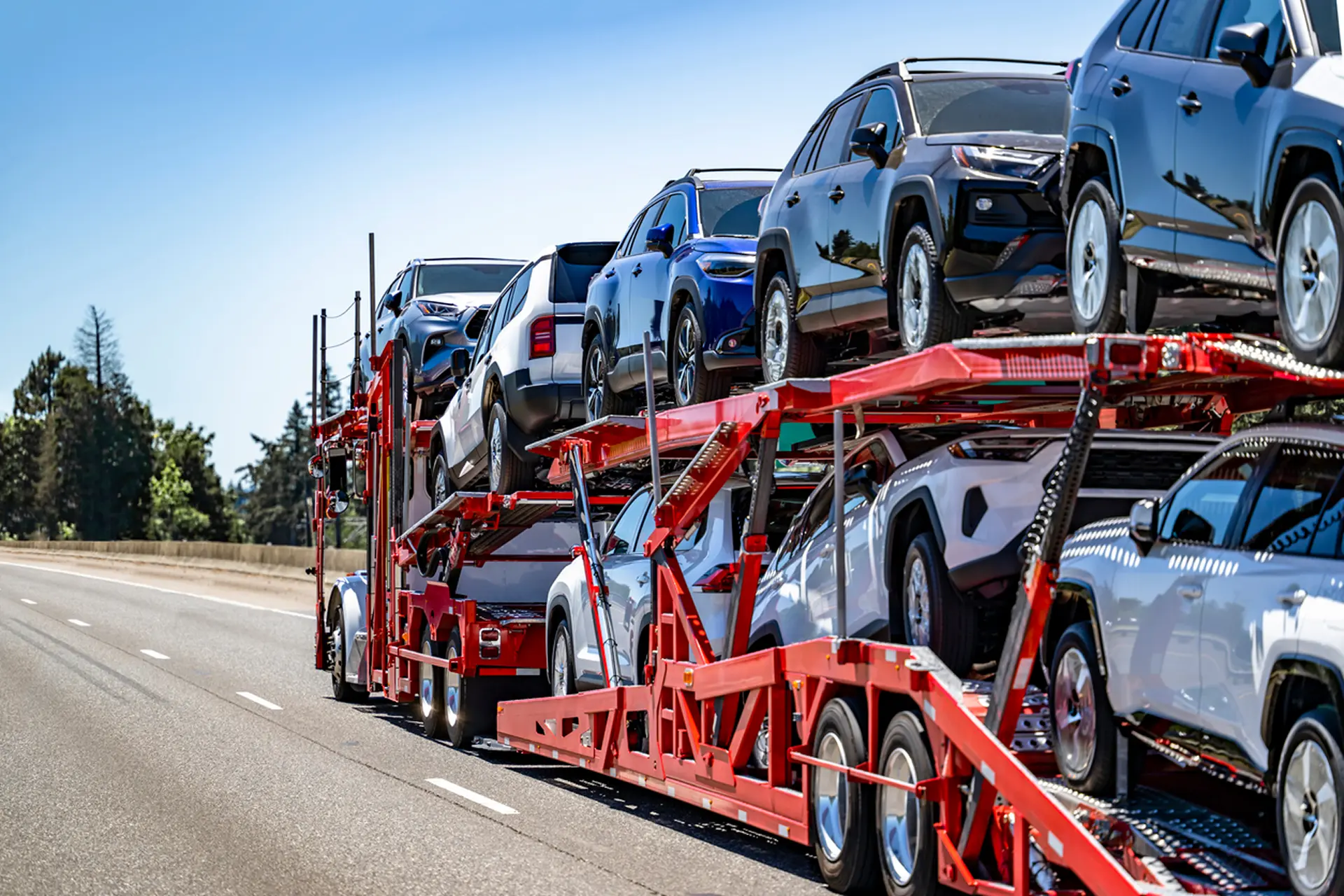
Whether you're buying a car online or moving across the country, car shipping is the most convenient option. If you're just starting the process, you're likely wondering “how much is it to ship a car to another state” or “what is the cheapest way to ship a car”. The truth is, there is no single answer to both questions.
The cost of shipping a car across state lines depends on several factors, including distance, vehicle type, shipping method, and time of year. Understanding these costs can help you budget properly and choose a carrier service that meets your needs and not just because it is the “cheapest”.
Average Cost to Ship a Car to Another State
To get a precise cost for shipping a car, you'll need to contact a carrier for an official quote. But if you're just starting the process of considering your options, having a ballpark estimate can help you plan better.
In 2026, Forbes estimates the average cost to ship a car is around $1,219 (~$1.20 to $2 per mile), with prices ranging from $550 to $2,450, depending on the vehicle type, delivery speed, and distance. It's important to note that these numbers will change according to market demand and fluctuating fuel prices.
Having these estimates can help you avoid shipping services that are suspiciously cheap or expensive compared to the national average.
Cost Per Mile (What Competitors Usually Show)
You'll notice that many car shipping companies advertise their pricing per mile, making it easier for customers to budget based on the distance. The per-mile rate for many shipping companies ranges from $0.50 to $2.00+. What might surprise you is that the cost per mile usually drops as distances increase, and shorter journeys end up costing more.
The reason is that fixed costs like admin fees, insurance, and loading/unloading are spread over longer distances. During longer routes, drivers spend less time loading and offloading than on shorter routes.
| Distance | Typical Cost Per Mile | What to Expect |
|---|---|---|
| 0 - 500 miles | ~$1.00-$2.50+ per mile | Highest per-mile cost due to shorter routes |
| 500- 1,500 miles | ~$0.70-$1.10 per mile | The mid-range cost per mile is commonly used on interstate routes |
| 1,500+ miles | ~$0.50-$0.90 per mile | Lowest cost per mile on long-distance routes |
The Biggest Factors That Change the Price
The cost of car shipping is not a one-size-fits-all type. The final figure on your quote will depend on various factors, some of which you can change, giving you more control over the costs:
Distance and route popularity (major lanes vs rural)
Longer distances cost less per mile than shorter routes. Urban areas with major lanes have cheaper rates than rural or out-of-the-way areas.
Vehicle size/weight
Your vehicle's size, weight, length, and height will influence shipping costs. For example, larger cars like pickup trucks or SUVs will take up more space on the carrier and require additional manual labor.
What you load into the car also counts toward the total weight. To prevent higher fees, do not exceed the weight limit allowed for personal items.
Vehicle condition (running vs non-running)
Running cars are cheaper to ship because they can be driven or rolled onto the carrier, while non-running cars will require additional specialized loading machinery.
Pickup/drop-off type
Car shipping companies will offer two types of service: door-to-door and terminal-to-terminal. Door-to-door shipping is the most expensive but most convenient option. Terminal-to-terminal shipping is the most cost-effective option because you're meeting the carrier at the terminal.
Time of year and market demand
Car shipping prices fluctuate throughout the year, depending on the peak seasons. For example, some routes are busier than others due to the snowbird season. Extreme weather events can also influence availability and increase costs.
Speed (standard vs expedited)
If you want your car fast, you'll pay extra for that speed. Expedited car shipping is known to cost more than standard shipping wait times.
Example Price Ranges (By Real-World Scenarios)
Every shipment is different and will incur different costs, but having a general estimate of national averages can help you plan for whatever your personal scenario is. For example, if you're relocating to a nearby state, moving to escape the colder weather for a month, or buying a new car miles away, you need to look at the cost per mile.
Short neighboring-state move
So, if you're shipping your car for less than 500 miles, your estimated range could be between $500 and $900. Remember, shorter trips can have higher per-mile costs.
Medium move
Let's say you're relocating for a job or have purchased an out-of-state car within the 500 to 1,500-mile range. Your estimated range is $800-$1,400, depending on the route, dates, and vehicle type.
Cross-country move
Shipping a car from coast to coast can lower the cost per mile because the routes are widely serviced and popular. For example, a popular transport route from Los Angeles to New York City can cost between $1,300 to $2,000.
Enclosed shipping
Most standard car shipping uses open carriers, which expose cars to the elements. Enclosed carriers with sides and a roof offer more protection but cost more. This option is recommended for luxury and classic cars. If you're comparing the two options, see GoodCar's open vs enclosed car shipping guide.
Extra Fees to Watch For (What Can Increase Your Quote)
Looking at the cost per mile will only give a broad estimate. You need to be prepared for extra fees to avoid costly surprises. Common add-ons include:
- Expedited shipping includes prioritized pickups and faster deliveries, but can cost between 20 to 40% more than standard shipping.
- Remote pickup/delivery or hard-to-reach locations will incur an added fee for the additional time and effort drivers spend navigating difficult pickups.
- Non-running vehicle handling will require specialized loading equipment, pushing the cost up due to inoperability surcharges.
- Inoperable or oversized vehicles may incur additional fees if they require additional space or specialized loading equipment.
- Storage/waiting fees can be applied daily if delivery can't be completed. However, not all terminals or carriers offer this service.
How to Get the Most Accurate Car Shipping Quote
Avoid surprise costs and increases by getting an accurate car shipping quote. Your role is to provide as much accurate information as possible, including: the make, year, and model of your vehicle, the vehicle's running condition, and the exact zip codes for pickup and delivery. Clearly list the dates and the type of transport service you want to use. For a quick checklist of what to gather before requesting quotes, see GoodCar's guide to shipping a car across states.
Don't stick with the first quote you receive. It's best to compare multiple quotes to get an idea of the average price to avoid overpaying. Be cautious of unusually low quotes, as these are often bait-and-switch tactics in which the price suddenly increases drastically just before pickup.
Before paying a deposit, ask for the company's USDOT number and MC/MX number and verify it using FMCSA's SAFER Company Snapshot. You can also review operating authority and insurance filings in FMCSA's Licensing & Insurance database, and it's worth skimming FMCSA's consumer advisory about automobile transporters for common fraud patterns. If you suspect fraud or deceptive practices, you can submit a complaint through FMCSA's National Consumer Complaint Database (NCCDB) and report scams to the FTC at ReportFraud.ftc.gov.
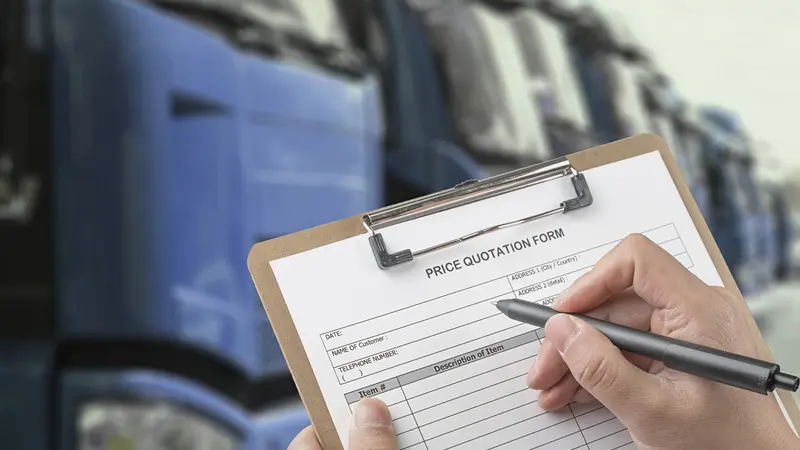 Getting multiple written quotes and verifying carrier credentials with the FMCSA before paying any deposit can save you from costly surprises.
Tips to Lower the Cost (Without Risking Service Quality)
You can control the cost of shipping your car by being flexible with pickup dates. Avoiding national holidays or shipping during busy periods can lower your costs. If you're not worried about the elements, choosing open carriers over enclosed can significantly lower costs.
Other ways to lower costs without compromising on quality include meeting the driver at a more convenient location if your delivery location is hard to reach. Consider booking early in peak seasons as prices can increase as demand fluctuates.
Frequently Asked Questions
With a typical cost of about $0.70 to $1.10 per mile for many interstate routes, shipping a car 1,000 miles can cost around $700 to $1,100. Prices can be higher in peak seasons, for rural routes, or for larger/non-running vehicles.
The cheapest shipping method is an open multi-car carrier.
Yes, because this is a high-demand season.
The timeframe will depend on factors such as carrier type, service, and distance. Cross-country shipping can take between 1 and 2 weeks.
Yes, reputable carriers will carry liability and cargo insurance that covers damage caused by the carrier.
Yes, some carriers allow a maximum of 100 lbs of personal items in the trunk. It is not advisable to place valuable items, such as cash, in the car.