


"Prior Police Vehicle" Title Brand: What It Means for Buyers & Owners
- "Prior Police Vehicle" Title Brand: What It Means for Buyers & Owners
- What Is a "Prior Police Vehicle" Title Brand?
- How a Car Gets a "Prior Police Vehicle" Title Brand
- How States Handle the "Prior Police Vehicle" Title Brand
- Sub-Types / Related Title Brands
- Impact of a "Prior Police Vehicle" Title Brand
- Can a "Prior Police Vehicle" Title Brand Be Removed?
- Should You Buy a "Prior Police Vehicle" Title Brand?
- Statistics & Market Data
- How to Check for "Prior Police Vehicle" Title Brand
- FAQs About Prior Police Vehicle Title Brand
- FREE Vehicle Search
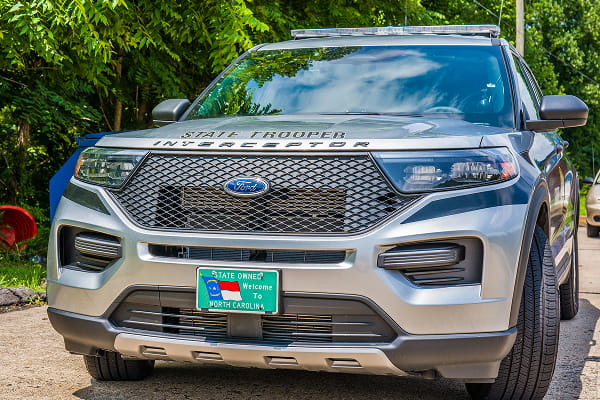
Every automobile has a title, but most don't have a title brand. It's a designation, such as "Flood" or "Rebuilt", that often indicates a history with significant damage. Sometimes, a title brand may provide a commercial-use background, with classifications like "Taxi" or "Former Rental". One such designation is the "Prior Police Vehicle" Title Brand". As the label states, this mark signals a vehicle used by a law enforcement agency.
Chances are, you've encountered a decommissioned police car. Perhaps initially mistaking it for an active-duty patrol vehicle, only to realize it's in private hands. Some enthusiasts like the idea of driving an old "cop car", while used-auto shoppers appreciate that police vehicles are often well-maintained and feature more robust components. However, law enforcement duty can exact a toll through excessive engine idling and high mileage. Whether you're interested in buying a former police vehicle or are curious about branded titles, we'll break down what you need to know about the Prior Police Vehicle Title Brand.
What Is a "Prior Police Vehicle" Title Brand?
Today's law enforcement vehicles often include the Ford Police Interceptor Utility (a specialized version of the Explorer), the Chevrolet Tahoe, and the Dodge Charger. Yet, it wasn't too long ago that the Ford Crown Victoria, Ford Taurus, and Chevrolet Impala might appear in your rearview mirror. In fact, depending on where you live, some agencies still operate these older models. In short, the Prior Police Vehicle Title Brand can apply to any automobile that once served in an official law enforcement capacity. Some cars might have served as patrol units; others could have been unmarked detective or undercover vehicles. Administrative fleet cars could also be classified this way.
In states that apply this brand, the wording generally appears on the certificate of title, electronic title record, or in data submitted to the National Motor Vehicle Title Information System (NMVTIS). In other jurisdictions, former police units may be assigned to broader categories like "Government Vehicle" or "Fleet Vehicle".
While retired police cars frequently enter the civilian resale market, only a few states apply the Prior Police Vehicle Title Brand. In these jurisdictions, the designation is a straightforward disclosure about the car's previous life.
How a Car Gets a "Prior Police Vehicle" Title Brand
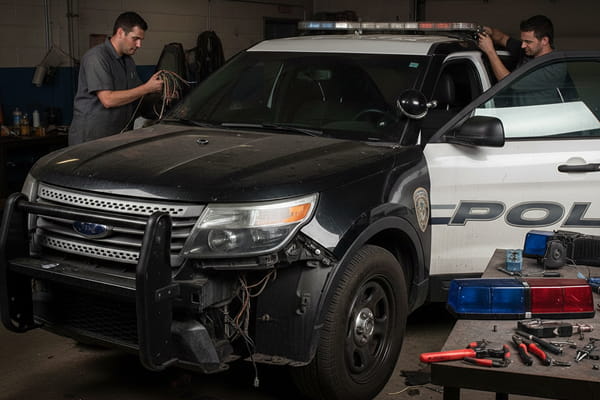
The Prior Police Vehicle designation is usually applied when a law enforcement agency removes the unit from service and prepares for civilian sale. Government fleet operators periodically rotate vehicles to stabilize maintenance costs and maximize resale value. The process typically involves:
-
Removing lights, sirens, radios, electronics, and other law enforcement-specific equipment.
-
Transferring the retired unit to an auction or a dealer that handles surplus vehicles.
Once the car is ready for sale, the agency transfers the paperwork to the buyer, which triggers the DMV's branding process. In states that use the Prior Police Vehicle Title Brand, the state DMV adds the notation when it processes the new title, making the designation part of the official title history. This is a permanent entry that stays with the vehicle regardless of future ownership. Even if the car is later titled in another state that doesn't use this classification, NMVTIS preserves the original record, ensuring the history remains trackable through approved vehicle-history providers like GoodCar.
How States Handle the "Prior Police Vehicle" Title Brand
Each DMV has its own approach to prior-use designations. When it comes to police-related designations, a few states apply the brand directly to the title. Meanwhile, one state specifically avoids police-use branding.
States Using a Prior Police or Equivalent Title Brand
State |
Brand / Designation |
How It's Applied |
|---|---|---|
Wisconsin |
"Prior Police Vehicle" |
Appears as a state-specific brand on vehicle titles and internal DMV records. |
California |
"Original Police (or Prior Police)" |
Printed on California titles and stored in DMV records as part of the state's branded-title categories. California merges NMVTIS Brand Codes 18 and 20 into one public-facing label. |
Florida |
Police-use brand; supports "Prior Police" and "Original Police" in NMVTIS. |
Florida law requires the certificate of title to disclose prior police use, and the state's NMVTIS procedures support both Prior Police and Original Police brand codes. |
State That Explicitly Doesn't Use Prior Police / Original Police Brands
State |
Notes |
|---|---|
Nebraska |
Nebraska's title manual lists "Prior Police" and "Original Police" among categories marked "do not use", confirming the state does not apply police-use title brands. |
About Michigan
Michigan plays an outsized role in the world of law enforcement vehicles; its state police agency works closely with U.S. automakers on the development of pursuit-rated cars. Despite this background, the state doesn't apply a Prior Police or "Original Police" Title Brand. Michigan law requires disclosure during the sale of a vehicle that is or will be used as a police unit, but it doesn't permit a police-use notation to appear on the title itself. Vehicle connections to law enforcement in Michigan are handled through dealer paperwork and, in some cases, government or exempt registration classifications rather than a title brand.
Other States
Except for the states outlined above, no other jurisdiction applies the Prior Police Vehicle Title Brand. In these states, retired police cars enter the used car market without any title notations. However, NMVTIS data, previous registration records, and the obvious signs of old equipment make these vehicles' pasts easy to identify.
Sub-Types / Related Title Brands
Because states use different terminology for similar police-use categories, the differences among these designations can be unclear. For example, the distinction between Prior Police Vehicle and Original Police Vehicle is subtle (and explained below). Just remember that not every jurisdiction uses the same classifications.
Prior Police Vehicle: NMVTIS Brand Code 18
Among states that recognize police-use brands, the Prior Police Vehicle category is the most common. NMVTIS Brand Code 18 identifies vehicles that were previously used as police units and later sold or transferred out of law enforcement duty. These are the retired patrol cars, detective sedans, and fleet SUVs you frequently see on the roads.
Original Police Vehicle: NMVTIS Code 20
NMVTIS Brand Code 20 serves a similar purpose as Code 18, but comes into play at a different point in the vehicle's life cycle. It identifies a car that is currently registered or titled to a police agency at the moment the brand is applied. Call it active duty status versus retired. Uniquely, California merges both brand codes into a single title brand but keeps codes 18 and 20 separate for NMVTIS tracking.
Government/Fleet Vehicles
Some DMVs bypass police-specific labels in favor of broader classifications, such as Government Vehicle or Fleet Vehicle. You won't be able to confirm police use with these designations, but they suggest that the vehicle saw service in a high-use environment. In states without police-specific title brands, retired law enforcement vehicles are placed in these umbrella categories.
Related Brands: Prior Taxi, Commercial, or Other High-Use Vehicles
Police cars aren't the only vehicles that undergo strenuous service. Taxis and commercial fleets are also subject to high mileage, continuous idling, and extensive stop-and-go driving. While Taxi and other commercial-use title brands serve different purposes, they (along with police-use categories) alert buyers that these vehicles have been used more extensively than a typical used car.
Impact of a "Prior Police Vehicle" Title Brand
A Prior Police Vehicle Title Brand isn't an automatic red flag like other designations, such as "Salvage" or "Flood". However, it can impact buyer perceptions and the availability of insurance and financing.
Resale Value
One of the greatest advantages of buying a former police car is usually a lower price than a non-police equivalent vehicle. There may be concerns about reliability or the car's police-era leftovers (mounting holes, mismatched paint, and excessive interior wear). A bargain buy also translates into reduced resale value later.
Financing
Some lenders may be cautious about financing a car with a Prior Police Vehicle Branded Title, but less so than with damage-related brands (such as "Rebuilt"). Loans may come with higher interest rates or shorter terms.
Insurance
Insurance is generally available for former police vehicles, but coverage may depend on the car's condition and whether the company underwrites branded titles.
Maintenance
Even if a retired police car has been refurbished for resale, you may still incur increased upkeep costs later for the brakes, suspension, and cooling systems. In some cases, the engine and transmission could require extra attention. This is all a direct result of long hours of idling, accelerating, and braking.
Can a "Prior Police Vehicle" Title Brand Be Removed?
Once applied, a Prior Police Vehicle Title Brand is treated as permanent. DMVs handle this designation the same way they do other title brands: it's tied to the vehicle identification number (VIN) and remains part of the official record. A later title issued in another state may or may not print the brand on the paper document, but the original notation stays visible in NMVTIS-backed vehicle history data.
Should You Buy a "Prior Police Vehicle" Title Brand?
For some buyers, a former police vehicle can be an appealing find. There's the "cool" factor, plus these cars are often outfitted with sturdier components such as larger brakes, heavy-duty cooling, firmer suspension, and an enhanced electrical system. Yet the advantages of this robust equipment list can be offset by cosmetic issues and excessive wear.
Pros |
Cons |
|---|---|
Lower purchase price |
Signs of removed equipment (or leftover equipment, like partitions) |
Upgraded components compared to consumer vehicles |
Excessive wear on components and the interior |
Maintenance history (when purchased directly from a government surplus auction) |
Reduced resale market due to title branding and cosmetic issues |
Statistics & Market Data
Most law enforcement agencies won't run their vehicles into the ground. Keeping police cars current and well-maintained helps reliability and supports a higher resale value. In fact, police cars are cycled out relatively quickly (compared to civilian automobiles) according to a survey of 32 California law enforcement departments. The report states that the average patrol vehicle is replaced after 90,000 miles or about 3.5 years of service. Another public safety agency noted that "nationwide, the average lifespan of a police cruiser is approximately 3-5 years, depending on mileage".
How to Check for "Prior Police Vehicle" Title Brand

Checking for a Prior Police Vehicle Title Brand may be as simple as reviewing the title certificate. That said, given that so few states print this designation on the document, you'll likely need to dig deeper.
-
Obtain a title report from the DMV. In the few states that apply a Prior Police or similar brand, the notation may appear on the title history. In most states, however, police use won't show up on a DMV title printout, so you'll need to rely on VIN-based history reports and supporting paperwork.
-
Order a comprehensive vehicle history report from an NMVTIS-approved provider like GoodCar. Access is affordable and immediate, providing details from state records and other sources. This information can also reveal other title brands and reported accident history if there were previous civilian owners.
-
Review seller-provided documentation, such as auction records and the original bill of sale from the police agency.
-
Perform a physical inspection. Look for leftover wiring, patched holes from removed consoles or lights, mismatched body panels, reinforced bumpers, added grounding straps, and heavy interior wear. Leftovers like empty radio brackets and prisoner partitions are also obvious clues about a car's police past. Also, check the dashboard instrumentation for an engine-hour meter, which measures idling time, a clear sign of police use.
Important: As with any used vehicle, a former police car under consideration should be inspected by a trusted mechanic before purchase.
FAQs About Prior Police Vehicle Title Brand
Rules for former police vehicles differ by state. Check with your motor vehicle agency and review NMVTIS-based vehicle history data for the most current information on a specific car.
- "Prior Police Vehicle" Title Brand: What It Means for Buyers & Owners
- What Is a "Prior Police Vehicle" Title Brand?
- How a Car Gets a "Prior Police Vehicle" Title Brand
- How States Handle the "Prior Police Vehicle" Title Brand
- Sub-Types / Related Title Brands
- Impact of a "Prior Police Vehicle" Title Brand
- Can a "Prior Police Vehicle" Title Brand Be Removed?
- Should You Buy a "Prior Police Vehicle" Title Brand?
- Statistics & Market Data
- How to Check for "Prior Police Vehicle" Title Brand
- FAQs About Prior Police Vehicle Title Brand
- FREE Vehicle Search
FREE Vehicle Search
- Accidents
- Problem Checks
- Title Records
- Recalls
- Values
- Specs


-
 InfoPay, Inc. (dba GoodCar) is an Approved NMVTIS Data Provider
-

-
