



When it comes to buying a car, there's no one-size-fits-all solution. Different car body types provide different levels of performance, aesthetics, and even utility that you'll need to consider when selecting the perfect ride for you. So today at GoodCar, we'll break down the various types of car body styles and explain what sets each apart. Whether you're looking for a sporty coupe or something more family-friendly, let's take a look at the major vehicle body styles available!
What Is the Body Style Of A Car?
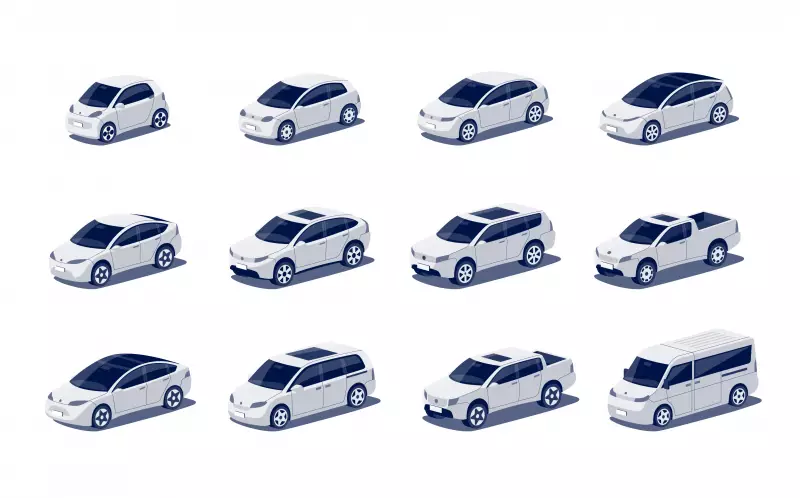
A car’s body style refers to its shape, design, and overall structure. Common vehicle body styles include sedans, SUVs, coupes, hatchbacks, and trucks. The body style of a car affects many things, such as passenger space, cargo capacity, driving comfort, fuel efficiency, and overall appearance. It also influences how the vehicle is typically used - whether for daily commuting, family travel, or performance driving.
Now you know - let’s explore the different car body styles one by one.
Sedans
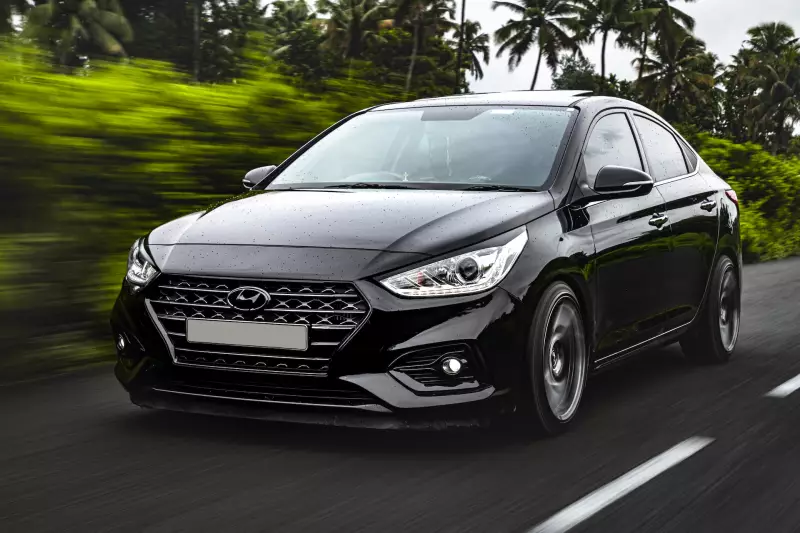
A sedan, also known as a saloon in the UK and parts of Europe, is a traditional passenger car. It usually has four doors, a fixed roof, and a separate enclosed trunk, with the engine in front and the passenger cabin in the middle. Sedans are known for their comfortable ride, good fuel efficiency, and easy handling, especially compared to larger vehicles like SUVs and pickup trucks. Their lower height helps improve stability on the road and makes them easier to park and drive in city traffic. While sedans offer plenty of space for passengers, their trunk is separate from the cabin, which means less cargo flexibility than hatchbacks or SUVs. A sedan is a great choice for daily commuting, business use, or long drives. Popular sedan models include the Honda Civic, Toyota Camry, and Chevrolet Malibu.
Popular Sedan Models on the Market (2024 Examples):
| Size Class | Example Models | Typical Boot Capacity |
|---|---|---|
| Compact | Toyota Corolla Sedan, Honda Civic | 400–470 liters |
| Mid size | Volkswagen Passat, Toyota Camry | 500–550 liters |
| Executive | BMW 3 Series, Audi A4 | 480–520 liters |
| Full-size luxury | Mercedes-Benz S-Class, BMW 7 Series | 500+ liters |
Coupes
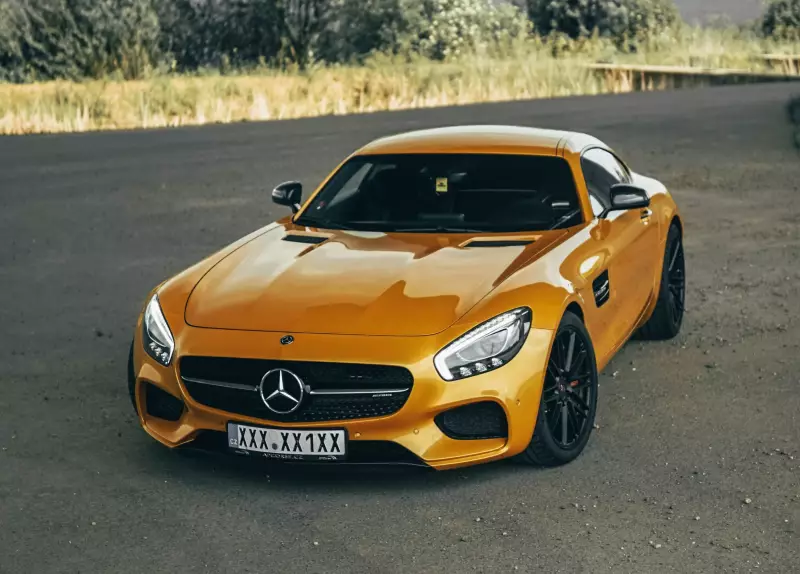
A coupe is a car body style that traditionally has two doors, a fixed roof, and a sportier, more sloping roofline than a sedan. Coupes are designed to focus more on style and driving enjoyment rather than maximum passenger space. Because of their shape, coupes often have limited rear-seat space and less headroom in the back. Many are set up as “2+2” vehicles, meaning the rear seats are best for occasional use. While some modern models are marketed as four-door coupes, classic coupes remain smaller, sleeker cars built for performance and design. Coupes are a good choice for drivers who value sporty looks, agility, and a fun driving experience over everyday practicality.
Popular coupe models include the Ford Mustang, BMW 4 Series Coupe, and Audi A5 Coupe.
Convertibles
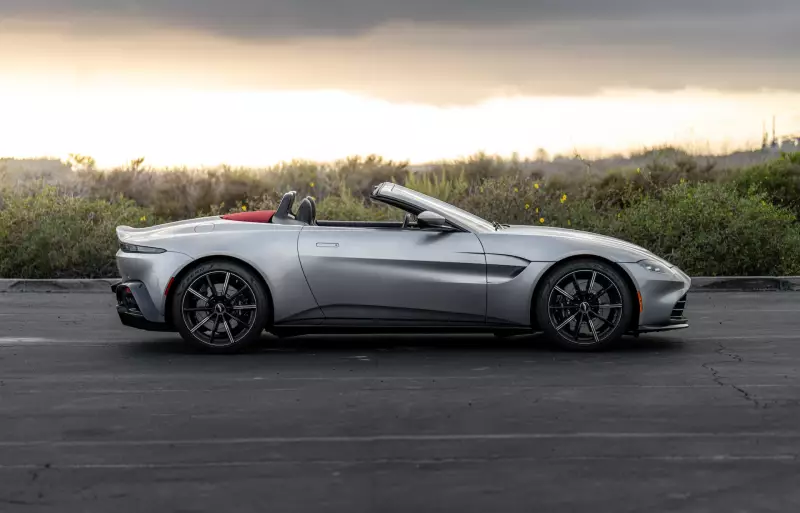
A convertible is a car body style with a folding or removable roof that allows for open-air driving. The roof can be soft or a retractable hardtop, giving drivers the option to switch between open and closed driving depending on the weather.
Convertibles usually seat two to four passengers and are designed more for driving enjoyment and style than practicality. While they offer a fun, sun-friendly driving experience, convertibles often come with higher prices, less trunk space, and more road noise compared to standard cars. Convertibles are ideal for drivers who value freedom, design, and a unique driving feel, especially in warm or scenic locations.
Popular convertible models include the Mazda MX-5 Miata, Ford Mustang Convertible, BMW 4 Series Convertible, and Audi A5 Convertible.
Hatchbacks
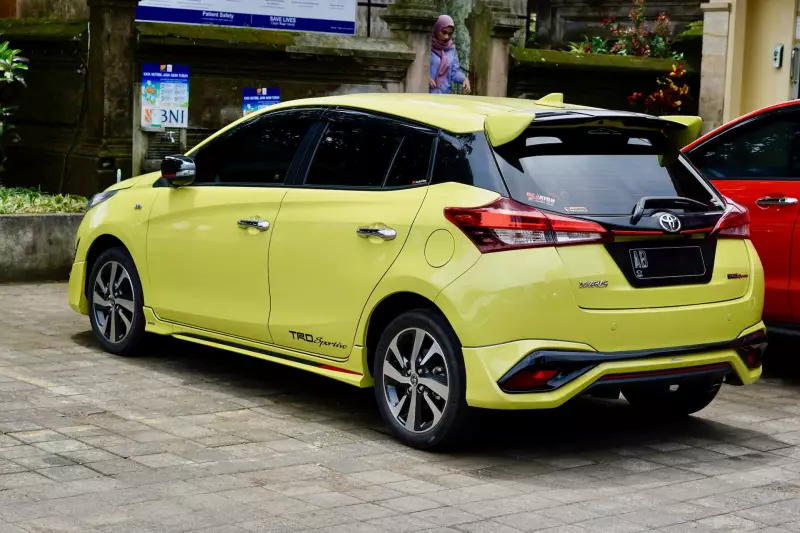
Hatchbacks are one of the most popular car body styles on the market. They offer a versatile and fuel-efficient option for drivers who need a little extra space. Hatchbacks typically have two or four doors and a rear hatch that opens to provide access to the cargo area. Many hatchbacks also have fold-down seats that allow you to expand the cargo area even further. If you're looking for a practical and affordable car body style, hatchbacks are certainly worth considering. However, it's important to note that they usually don't offer as much passenger or cargo space as other body styles, such as SUVs and sedans. Additionally, hatchbacks can be more difficult to park in tight spaces due to their size and shape. But a hatchback is probably the right choice if you're willing to trade off a little bit of space for versatility and fuel efficiency.
Common Hatchback Cars on the Market
- Volkswagen Golf (available in petrol, diesel, and plug-in hybrid)
- Ford Focus
- Toyota Yaris
- Hyundai i30
- Nissan Leaf (electric hatchback)
Wagon / Estate
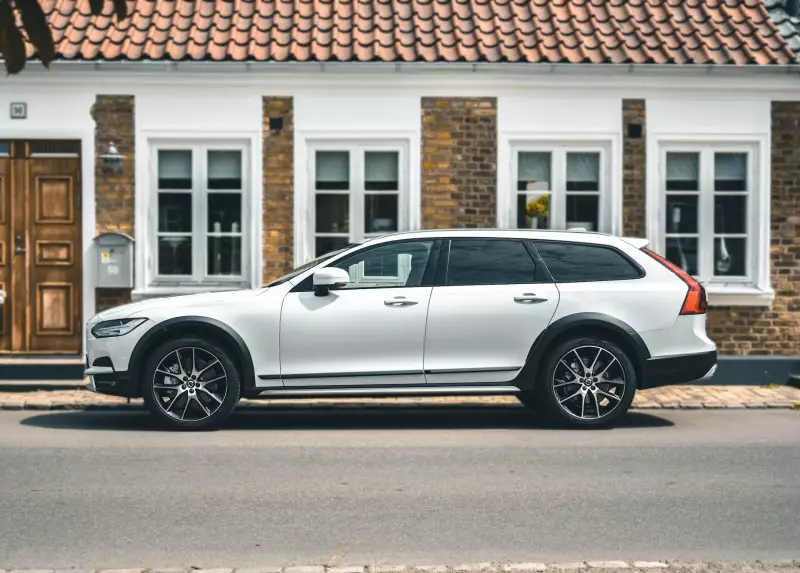
A wagon - also called a station wagon or estate car - is a car body style with an extended roofline and a rear hatch, offering more cargo space than a sedan while keeping a low, car-like design. Wagons are popular with families, pet owners, and outdoor enthusiasts who need extra room but prefer better handling and fuel efficiency than most SUVs. They provide a comfortable ride, easy loading, and plenty of space for everyday use and road trips. Wagons often come with fold-down rear seats, roof rails, and available all-wheel drive, making them practical for both city driving and light outdoor activities.
Examples of Station Wagon Cars:
| Brand | Models | Distinguishing Features |
|---|---|---|
| Volvo | V60, V90 | Safety reputation, Scandinavian design |
| Audi | A4 Avant, A6 Avant | Premium interior, quattro all wheel drive available |
| Mercedes-Benz | E-Class Estate | Luxury and technology focus |
| Subaru | Outback | SUV-like ground clearance, standard AWD |
Crossovers
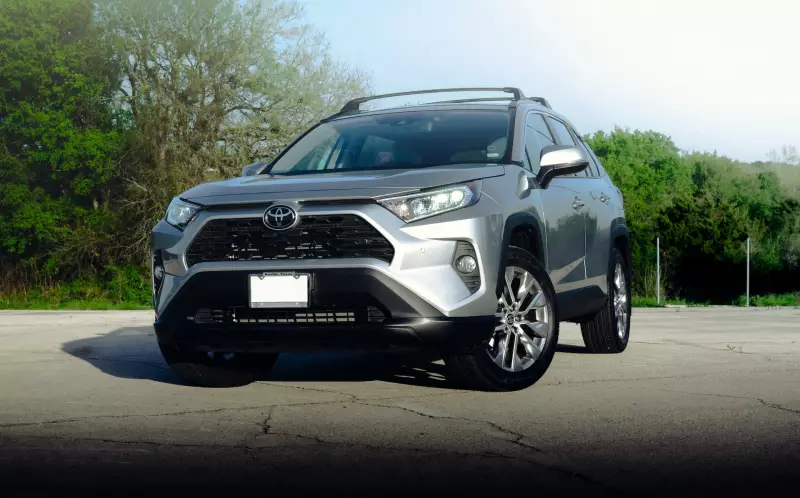
A crossover SUV is a vehicle built on a car platform and shares many characteristics with passenger cars. They generally have unibody construction (as opposed to the body-on-frame construction of trucks and SUVs). They're designed to have better on-road handling and fuel economy than traditional SUVs. Some crossovers resemble wagon versions of familiar cars (such as the Subaru Outback, which is based on the Subaru Legacy wagon). In contrast, others take the form of tall hatchbacks or even sedan-based vehicles with raised ground clearance (such as the Nissan Rogue). Most crossovers are front-wheel drive, but all-wheel drive is also available in some models. In recent years, crossovers have become increasingly popular due to their blend of car-like and SUV-like features. As a result, many automakers now offer a wide range of crossover models in their lineups.
Sports Cars and Muscle Cars
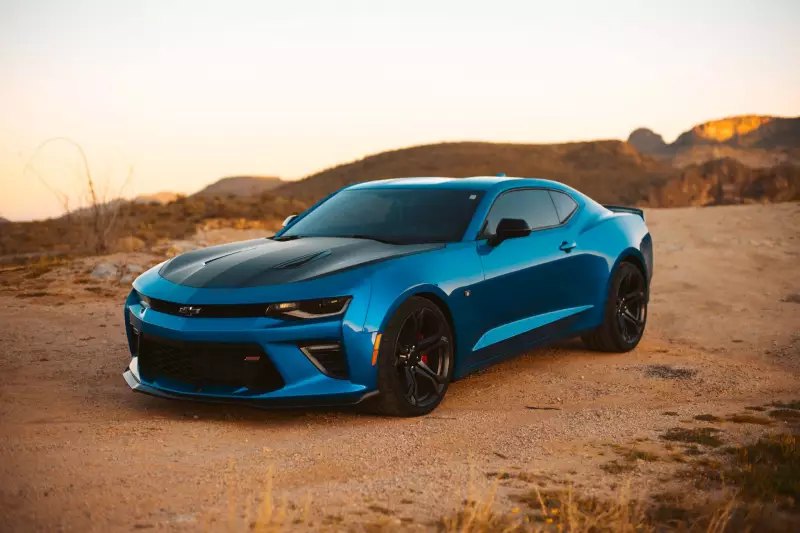
Both sports cars and muscle cars are designed with performance in mind. Sports cars tend to be smaller and more agile, while muscle cars are designed for straight-line speed and power. Sports cars typically have two seats and a low center of gravity, which helps them corner smoothly. Muscle cars usually seat four passengers and feature larger engines that deliver high horsepower and torque, making them powerful and aggressive on the road. One of the most iconic muscle cars is the Ford Mustang. The Mustang was introduced in 1964 and quickly became one of America’s favorite performance vehicles. It’s available in both a coupe and convertible body style, and many different engine options are available, ranging from a V6 to a powerful V8. The Chevrolet Camaro is another popular muscle car. It was introduced in 1967 as a direct competitor to the Mustang. The Camaro is available in both coupe and convertible body styles, and like the Mustang, there are several different engine options, ranging from a V6 to a powerful V8.
Fun fact:
Many people ask: What type of car is Lightning McQueen from Cars? - So Lightning McQueen from Cars would be closest to a sports car - he’s sleek, fast, built for racing, and all about speed rather than hauling passengers or cargo.
SUVs
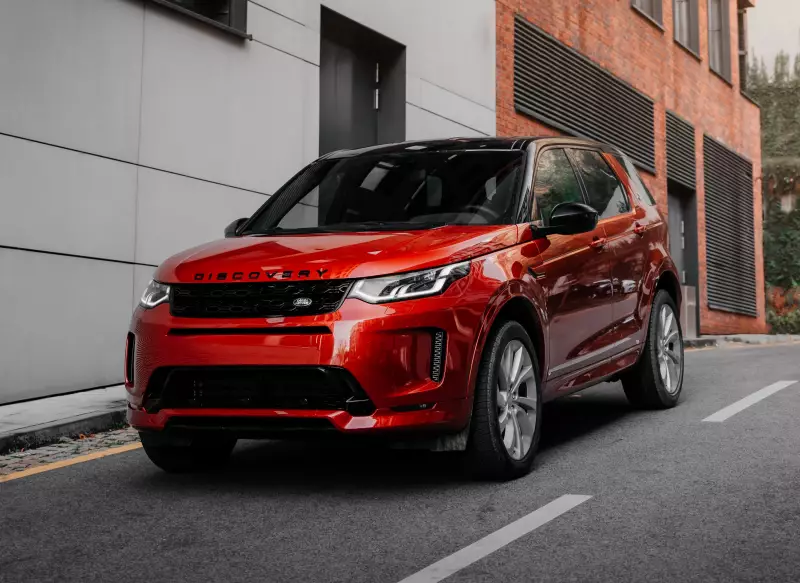
As a result of their popularity, Sport Utility Vehicles (SUVs) come in all shapes and sizes these days. The following are the most common types of SUVs:
- Full-Size SUV: A full-size SUV is the largest type of SUV on the market. They usually have three rows of seating and can accommodate up to eight passengers. Full-size SUVs also have plenty of cargo space for hauling luggage, sports equipment, or other large items.
- Mid-Size SUV: Mid-size SUVs are smaller than full-size SUVs, but they still offer plenty of space for passengers and cargo. They typically have two rows of seats and can comfortably seat up to five passengers.
- Compact SUV: Compact SUVs are the smallest SUVs on the market. They usually have two rows of seats and can accommodate up to five passengers. However, they don’t have as much cargo space as larger SUVs.
Pickup Trucks
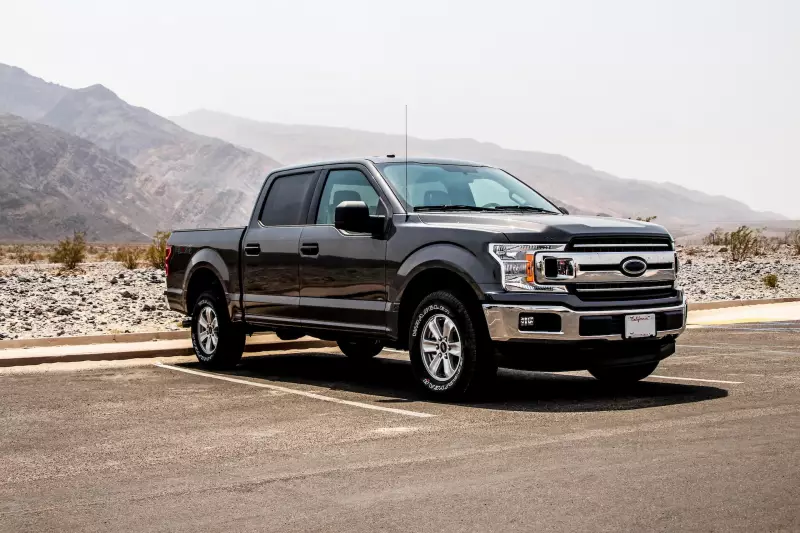
Pickup trucks are one of the most versatile and popular body type of vehicles on the market. They can be used for various purposes, from hauling gear to taking the family on a weekend getaway. Whether you’re looking for a workhorse or a leisure vehicle, a pickup truck is right for you.
Here are some of the popular pickup trucks on the market:
- Ford F-150: The Ford F-150 has been America’s best-selling truck for over four decades. It’s known for its reliability and durability, and it can be equipped with various features to make your drive more comfortable and convenient.
- Chevrolet Silverado: The Chevrolet Silverado is another top-selling truck in the United States. It offers a comfortable ride and plenty of power and payload capacity. Like the F-150, it can be outfitted with an array of features to suit your needs.
- Toyota Tacoma: The Toyota Tacoma is a mid-size pickup truck built for those who need a smaller vehicle but still want the capabilities of a pickup truck. It offers excellent fuel economy and plenty of torque for hauling gear or climbing steep inclines.
- Ram 1500: The Ram 1500 is a rugged full-size pickup truck that’s ideal for work or play. It offers a powerful V8 engine and can be equipped with various features to make your drive more comfortable and convenient.
- Nissan Frontier: The Nissan Frontier is an affordable mid-size truck that can handle tough terrain and heavy loads alike. Its interior space is roomy, and its powerful 4-cylinder engine makes it a great option for those who want performance without sacrificing fuel economy.
Types of Pickup Trucks by Size:
| Category | Examples | Primary Markets |
|---|---|---|
| Mid-size | Toyota Hilux, Ford Ranger, Nissan Navara | Global, especially popular outside North America |
| Full-size | Ford F-150, Chevrolet Silverado, Ram 1500 | North America, Australia |
| Heavy-duty | Ford F-250/350, Ram 2500/3500 | Commercial, serious towing |
Understanding vehicle body styles and types of cars helps you choose a vehicle that truly fits your needs, whether that’s daily commuting, family travel, or performance driving. Each car body style—from sedans and hatchbacks to SUVs, crossovers, and pickup trucks - offers different advantages in comfort, space, and usability. Once you’ve narrowed down the right body type and model, it’s just as important to know the vehicle’s past. Before buying a new, used, or pre-owned car, checking a vehicle history report from GoodCar can help you uncover accidents, title issues, and other hidden problems—so you can avoid surprises and buy with confidence.