

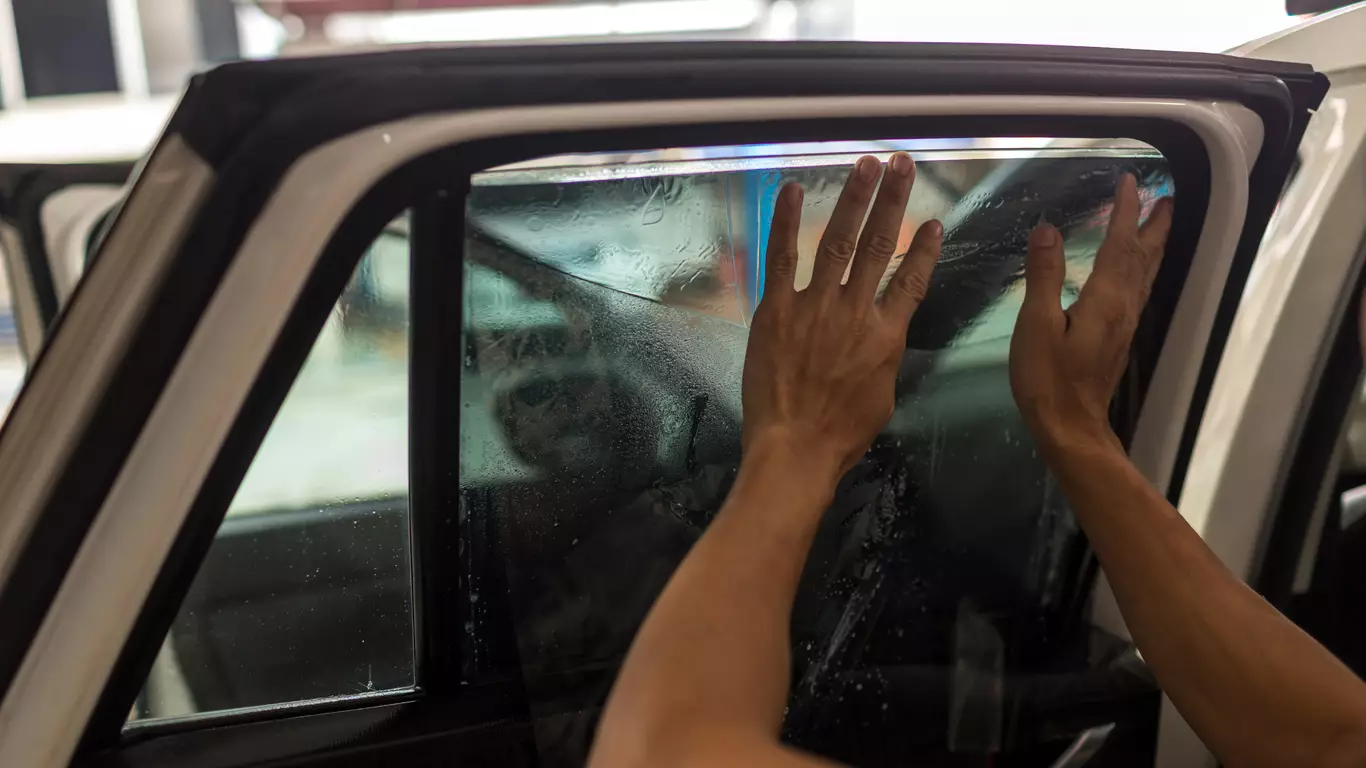
Window tinting is more than just a style upgrade. By applying a thin laminate film to your car's glass, you gain increased privacy, significant heat reduction, reduced glare, and nearly total protection from harmful UV rays. However, if you've started shopping around, you’ve probably noticed a dizzying range of prices. That’s because the cost of window tinting depends on several factors, including the type of tint, your vehicle, where you live, and who installs it.
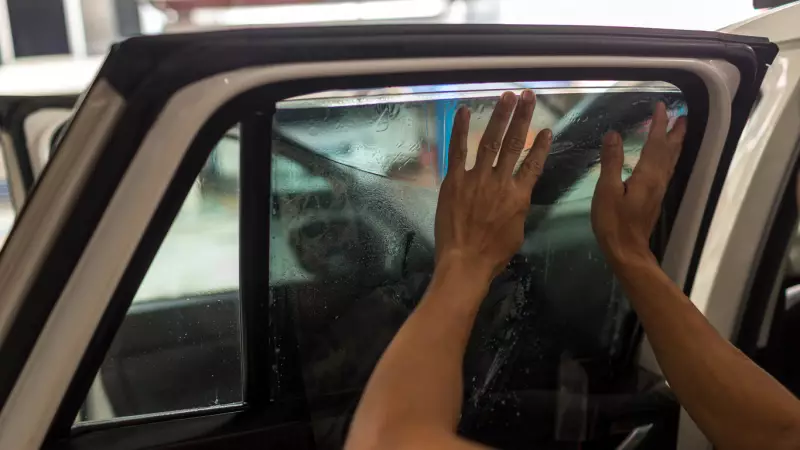
So, how much does it really cost to tint your car windows? Let’s break it down.
Average Cost to Tint Car Windows
You can generally expect to pay between $200 and $600 for a professional, full-car tint job using standard dyed film. The final cost hinges on the film material, the number of windows, and how complex the car is to work on.
Typical Price Range for Standard Cars
Sedans and coupes (like a Honda Civic or Toyota Camry) are usually the easiest and most affordable cars to tint. Tinting all side windows and the rear windshield will typically cost you between $200 and $500.
Note that costs vary depending on the film’s UV protection, heat rejection, and durability: basic dyed or metallic/hybrid films will generally be on the lower end, while carbon and ceramic films cost more upfront but last longer and perform better in hot climates. Small differences in vehicle design, like curved rear windshields or frameless doors, can also add labor time and bump up the price.
Cost for SUVs, Trucks, and Larger Vehicles
Larger vehicles like SUVs, trucks, and vans naturally cost more to tint, with averages ranging from $250 to $800 or more. The increase is straightforward: more glass. An SUV often has extra rear quarter windows and larger rear windshields, while vans may add even more panes. More glass means more film, more cutting, and more labor, especially if the rear glass is sharply curved.
Single Window Tinting Costs
If you only want one or two windows tinted (maybe you need to replace a damaged tint), many shops offer per-window pricing. The cost is usually lower, around $50 - $150 per window, but it still depends on the tint type. Note that, while per-window pricing is useful for touch-ups or partial upgrades, full-car packages are often more cost-effective.
You can also consider adding a visor strip or “eyebrow” tint across the top of your windshield; this is a quick, affordable upgrade that will typically run you about $20 - $50.
Factors That Affect Window Tinting Cost
Every tint job is different, and installers weigh several factors when setting a price. Knowing what goes into the estimate will help you compare quotes with confidence.
Type of Tint Film
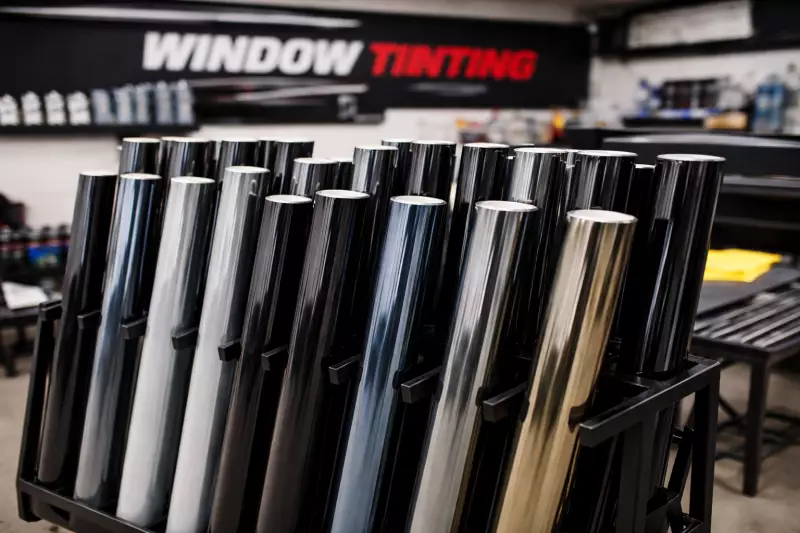
The tint film is the biggest factor in your final price. Here’s a look at the main types available:
- Dyed Film: This is the most affordable option available. It uses a layer of dye to block light and heat and is also good for privacy and aesthetics. However, it fades the fastest and typically has a lifespan of 3 – 5 years.
- Metallic Film: They contain tiny metallic particles embedded in the film that reflect solar energy, giving them more heat rejection and reduced glare compared to dyed film tints. They are also more durable and resistant to fading but cost more and can interfere with radio, GPS, and cell phone signals (due to the metallic content). The tint’s reflective/shiny appearance may also be a turn-off for some people.
- Hybrid Film: These combine dyed film with a thin metallic layer, offering better heat rejection than dyed films but less interference than pure metallic, with a less reflective look. Hybrid films are designed to balance affordability, appearance, and performance. However, they’re not as long-lasting as premium options.
- Carbon Film: This is a mid-tier favorite. It blocks heat well, has a sleek matte finish, doesn't fade easily, and doesn't interfere with electronics. Carbon films deliver great value, though at a higher price than dyed or hybrid films.
- Ceramic Film: These are the premium choice. They use ceramic nanoparticles to block extreme heat and UV rays without signal interference. Ceramic films offer the best clarity, durability (often 10+ years), and overall performance, but at the highest cost.
Vehicle Type & Number of Windows
Larger vehicles and those with extra windows, unusual window shapes, or big curved glass panels cost more to tint because they require additional film, more labor, and greater precision. Complex window designs in particular drive up prices, since installers often need to use heat guns, shrink the film, or apply it in multiple sections to achieve a flawless fit.
Labor Costs & Installer Experience
Window tinting is a specialized skill, and installer experience plays a big role in cost and quality. Budget tint installers may charge $150 - $250, but often use basic films with shorter warranties and risk bubbles or peeling. Mid-range installers offer professional-grade films, cleaner cuts, and better coverage. Premium shops use high-performance ceramic films, computer-cut patterns, and dust-free environments, often backed by lifetime warranties.
Labor quality is one of the clearest differences between bargain tint jobs and durable, long-lasting tint. While cheaper options save upfront, paying more for seasoned professionals ensures durability, clarity, and long-term value, making it a smarter investment.
Removal of Old Tint
If your car has old, bubbled, or peeling tint, it must be stripped before new film can be applied. This process can be time-consuming and can add an extra $25 - $75 (per window) to your total bill, especially if the adhesive is old and has deteriorated.
Region & Local Market Rates
Tint prices vary by location and are influenced by regional factors like cost of living, climate, local tint laws, and shop competition. For instance, in hot-weather states like Arizona, Nevada, Texas, and Florida, demand is high, but competition keeps prices wide-ranging. Likewise, in states with strict tint laws, such as New York and California, shops often offer specialty “legal-limit” films that comply with local Visible Light Transmission (VLT) rules, which can raise costs.
Cost by Tint Type (Detailed Breakdown)
Here’s a detailed comparison of average car window tinting prices based on the tint material:
- Dyed Film Tint:
- Material Quality: Budget option
- Average Cost: $150 - $250 for sedans, $200 - $300 for SUVs
- Key Features: Affordable and good for privacy, but fades quickly and offers limited UV protection
- Metallic Film Tint:
- Material Quality: Mid-range
- Average Cost: $200 - $300 for sedans, $300 - $450 for SUVs
- Key Features: Strong heat and glare reduction, but may interfere with electronics and has a shiny look
- Hybrid Film Tint:
- Material Quality: Mid-range
- Average Cost: $200 - $350 for sedans, $350 - $500 for SUVs
- Key Features: Balances affordability and UV protection, with less interference than metallic, though durability is moderate
- Carbon Film Tint:
- Material Quality: High-performance
- Average Cost: $250 - $400 for sedans, $350 - $600 for SUVs
- Key Features: Excellent heat blocking, fade-resistant, matte finish, and no signal interference
- Ceramic Film Tint:
- Material Quality: Premium choice
- Average Cost: $350 - $600 for sedans, $450 - $800+ for SUVs
- Key Features: Delivers superior heat/UV rejection, top clarity, and the longest lifespan (often 10+ years)
DIY Window Tinting vs Professional Installation
Many drivers explore DIY window tint as a cheaper alternative. However, if you are considering this, you should know that the results can vary widely. DIY tinting saves you money upfront but requires a lot of skill and patience to pull off without bubbles, dust, or streaks. You also risk window damage and even illegal tint levels. On the other hand, professional installation typically delivers cleaner finishes, longer durability, and often includes warranties that make it a better long-term value.
DIY Tint Kits
If you decide to go ahead with tinting your car windows yourself, you can get a DIY tint kit online or at auto stores for about $30 - $150. While the savings are significant, risks are high: inferior film quality, faster fading, poor adhesion, and no warranty. The film is also rarely cut to vehicle-specific shapes, making installation even trickier for beginners.
Professional Tinting
A professional job ensures a perfect, bubble-free finish. You get access to higher-quality films, which will be precisely cut and expertly applied to your car windows. Many installers also back their work with warranties that cover fading, bubbling, and peeling. Basically, you are paying for peace of mind and a finish that lasts.
When DIY Might Make Sense
While professional installation is the best way to go when it comes to car window tinting, DIY could be a reasonable option in certain situations, such as:
- For older cars
- For applying a simple visor strip
- If you only want to tint a single window.
- If you’re comfortable with hands-on projects.
- If you need a temporary solution.
- If you want to practice the skill.
Window Tinting Laws and How They Affect Cost
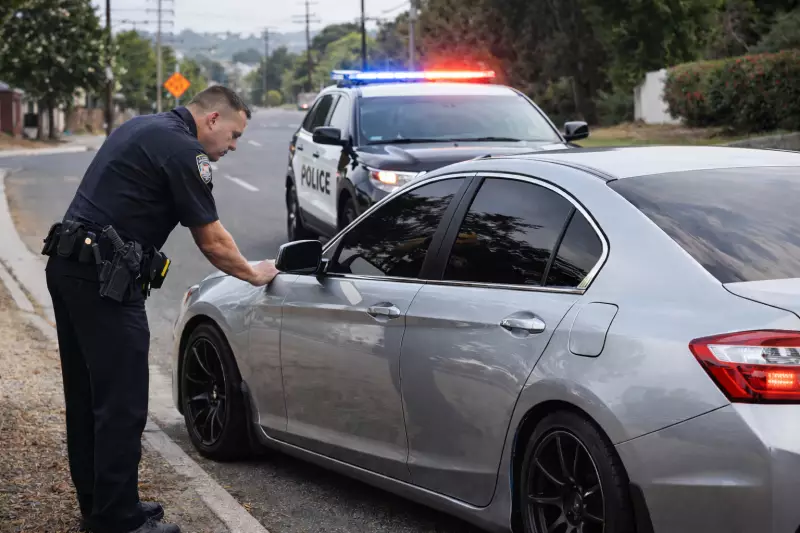
Every state has rules about Visible Light Transmission (VLT) – the percentage of light that must pass through your car’s windows, including the front and rear windshields. Professional installers are usually very familiar with these regulations and can ensure that your tint is legal. Some shops may charge a premium for precisely calibrated legal-grade films that meet strict state limits while still offering performance.
Keep in mind that window tinting laws vary by location, and non-compliance often leads to fines, failed inspections, and mandatory removal and replacement (of the illegal tint), all of which add to your overall cost.
How Long Does Car Window Tint Last?
Car window tints can last anywhere from 3 to over 10 years, depending on several key factors:
- Tint Type: This is one of the biggest factors that influences how long your car window tint job will last; different films have different durability.
- Film Quality: Premium films like ceramic resist fading and degradation far better than cheaper dyed films.
- Installation Quality: Poor installation often leads to bubbling or peeling. A professional, precise installation ensures that the tint is applied correctly for a clean, long-lasting finish.
- Climate and Sun Exposure: Prolonged, intense exposure to direct sunlight and high heat can accelerate the breakdown of the film and adhesive. Parking in a garage or shaded areas significantly helps increase the tint’s lifespan.
- Maintenance and Care: Harsh cleaners can damage the film and its adhesive, causing it to fade, peel, or discolor.
Basically, if you invest in a high-quality film and have it professionally installed and properly maintained, you can expect it to last for 10 years or more.
Lifespan by Tint Type
Here’s a look at the average lifespan of different types of tint:
- Dyed Tint: 3 – 5 years
- Most prone to fading and discoloration
- Hybrid Tint: 5 – 7 years
- Quality varies widely depending on manufacturer
- Metallic Tint: 5 – 10 years
- Resistant to fading, but needs proper care
- Carbon Tint: 5 – 10 years
- Durable, fade-resistant, stable performance
- Ceramic Tint: 10+ years
- Often backed by lifetime warranties
Warranty Considerations
Always ask about warranties when shopping for car window tinting, especially if you plan to keep the vehicle long-term. Coverage varies by installer and film manufacturer and usually ranges from 3 – 5 years for entry-level tints to lifetime warranties for premium films. Tint warranties typically cover peeling, bubbling, fading, and discoloration. However, always confirm this and ensure that the coverage includes both the film material and the installation labor.
Tips to Save Money on Window Tinting
Here are some tips to help you save money on window tinting without sacrificing quality:
- Consider carbon tints for the best value. For most car owners, carbon film offers an excellent balance of performance, durability, and price.
- Get multiple quotes. Get quotes from at least 2 – 4 tint shops in your area. Compare their prices for the exact same film brand and type, their shop environment, and their warranty terms as well.
- Avoid the cheapest option. Extremely low prices often signal poor film quality or inexperienced installers, which will end up costing you more in the long run.
- Look for package deals. Many tint shops offer “full car” packages with discounted rates for tinting all windows at once, making it cheaper than doing individual windows one-by-one. However, if your budget is really tight, you can tint only the crucial windows (start with the side windows and rear windshield; you can often skip the small corner/vent windows or even the windshield strip).
- Check for promotions. Some installers run seasonal specials, first-time customer discounts, off-hour or weekday promotions, etc.
- Look for mobile installers. Depending on your location, mobile tint services can also be more affordable. They usually have lower overhead and can offer competitive rates. However, remember to avoid making choices based solely on price, always compare quotes, and only use installers that offer warranties.
- Maintain your tint. Once your tint is installed, be sure to take good care of it. Proper cleaning prevents the adhesive and film from degrading, ensuring it lasts for its intended lifespan.
FAQs About Car Window Tinting Costs
Is Window Tint Worth the Money?
For most car owners, yes. Tint improves comfort, reduces heat, protects your interior from UV damage, and increases privacy.
How Much Does 20% or 35% Tint Cost?
Tint percentage itself does not typically affect price; instead, the type of film you choose does. You can expect to pay $200 - $600 for most cars (more for ceramic tints).
Does Tint Get Darker over Time?
No, high-quality tint should not get darker. However, cheap dyed films often fade or discolor over time, appearing lighter or discolored.
Can Tint Damage My Car Windows?
No, if installed correctly. Issues usually come from poor-quality films, sloppy installation, or improper removal of old tint.
How Much to Remove Old Tint?
Removing old tint will cost you around $25 – $75 (per window), depending on how deteriorated the tint is and the stubbornness of the old adhesive.
How Long Does Tint Installation Take?
A professional can usually complete a full-car installation in 2 to 4 hours, depending on film type and vehicle complexity.