

Getting into an accident with a rental car can be stressful, especially if you are unsure of what to do next. Knowing the right steps to take can protect you both financially and legally. Like any other crash, you will need to check for injuries, contact the appropriate authorities, and document the scene. But a rental car accident comes with a few extra responsibilities — namely notifying your insurance provider, complying with the rental agreement, and informing the rental car company.
Handling things correctly from the start, whether the accident is minor or serious, makes the claims process much smoother and helps you avoid disputes down the line.
Step 1: Make Sure Everyone Is Safe
You must prioritize safety. After a rental car accident, make every effort to ensure that you, your passengers, and those riding in the other vehicle involved in that incident are safe. You can start by checking for injuries and then find out if anyone needs immediate medical attention. Call emergency services promptly if anyone is hurt or if you cannot ascertain the severity of injuries.
If the rental car is not drivable, remain in the vehicle with your seatbelt fastened until help arrives. However, if staying inside is unsafe and you are able to exit, do so without hesitation. If the rental car can still move, be sure to move it to a safe area out of traffic and turn on your hazard lights. The hazard lights will alert other road users and prevent another accident.
Step 2: Report the Accident to the Police
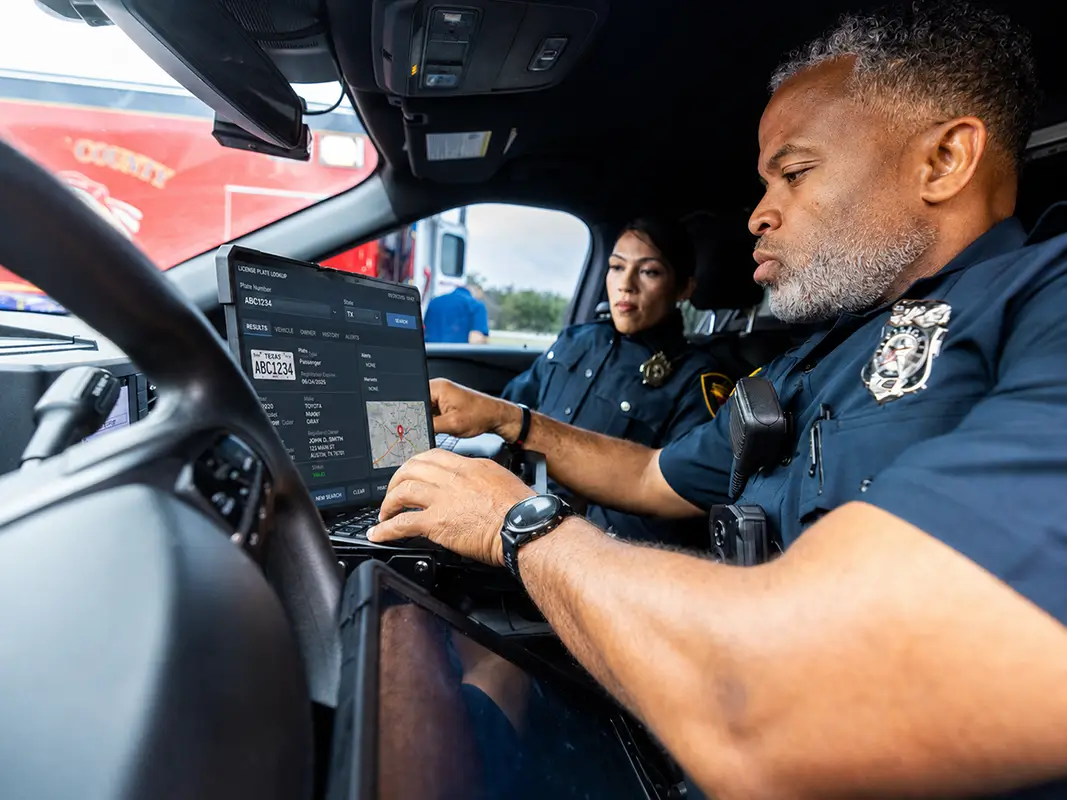
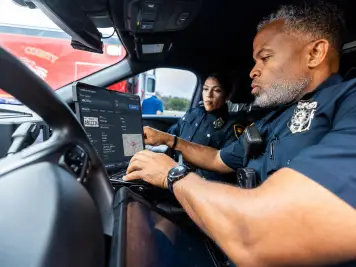
Once you and the other people in the rental car accident move to safety, report the incident to law enforcement. If an officer responds to the scene, be sure to ask them how to get a copy of the police report because you will need it to file an insurance claim. The report may also be required to determine fault and damage.
A typical police report includes a record of the vehicles involved, statements collected at the scene, and any visible damage. State laws in most jurisdictions require reporting any accident that results in significant property damage or inflicts injuries on car occupants. In other states, the law requires drivers to report any form of collision, including minor accidents. Be sure to check local reporting requirements.
Step 3: Document the Scene
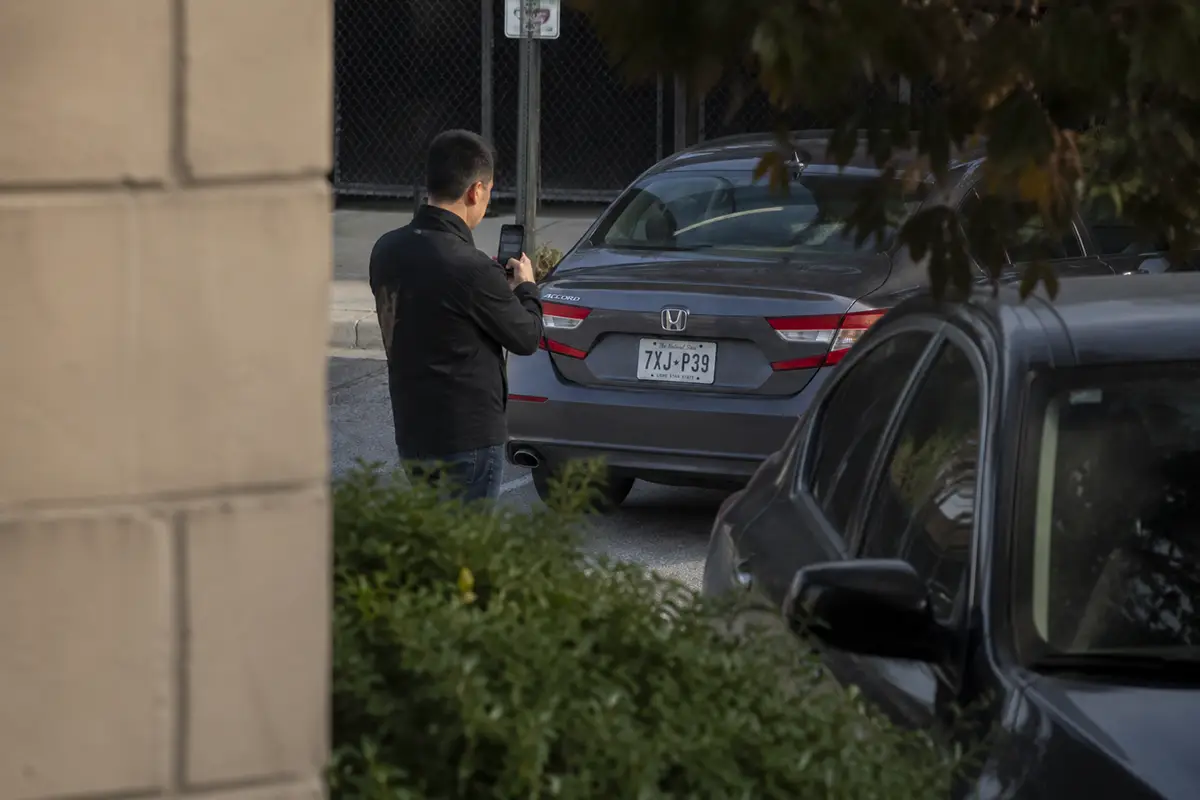
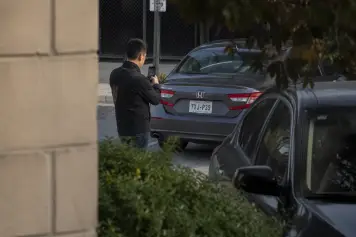
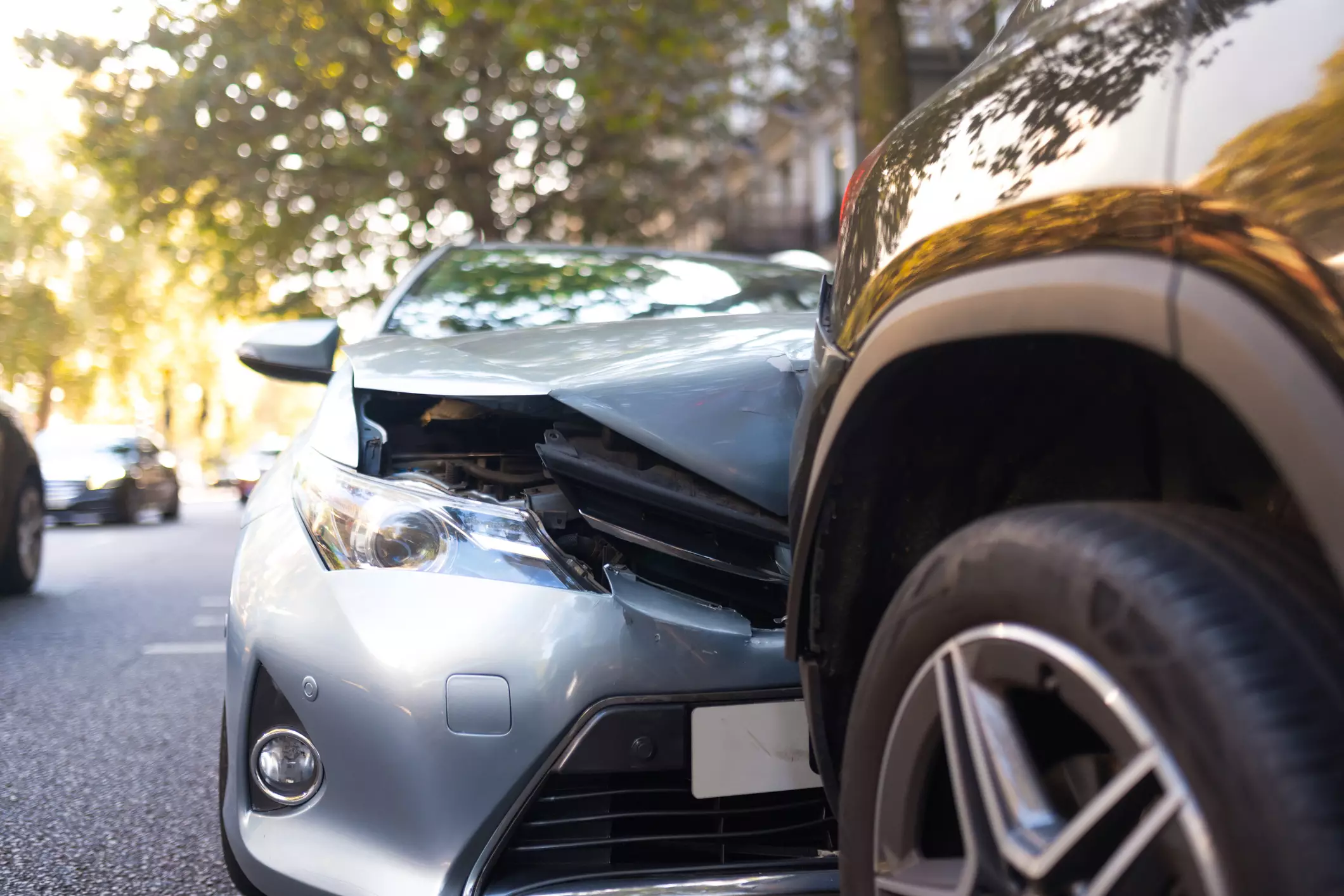
After reporting the incident to the police, go a step further to document the scene of the rental car accident by taking videos and photos with your phone. Take photos and videos of damage to a rental car after an accident, traffic signs, road conditions, skid marks, and the license plates of all the vehicles involved. If possible, also take photos of the vehicles’ position before they are moved out of the scene.
Also note the date, time, and exact location of the accident, and collect the names and contact details of any witnesses. Having detailed documentation of the scene of a rental car accident can protect you during disputes with the rental company and when filing insurance claims.

Step 4: Exchange Information With the Other Driver
The next step is to exchange essential information with the other driver involved in the rental car accident, even if the crash is minor. Information exchange is essential for satisfying the rental company’s reporting requirements and for insurance claims. However, while discussing with the other driver, avoid making any statement about who was at fault.
Important pieces of information to exchange include full names, contact details, vehicle registration details, insurance details, and driver’s license numbers. You should also exchange rental paperwork with the other driver, including vehicle identification information and the rental agreement.
Step 5: Contact the Rental Car Company Immediately
Failing to notify the rental car company promptly after an accident may result in additional charges or jeopardize your coverage. So, it is important to notify them as soon as you can through any of their official communication channels, which are typically listed on rental agreements.
Each rental company has its own procedures for handling a rental car after an accident. Some rental companies may provide instructions on how and where to return the damaged car, while others may arrange towing (if the vehicle is not drivable) or provide a replacement car.
What Rental Companies Usually Ask For
The rental car company expects you to have the following information ready when you contact them to report an accident in a rental car:
- A description of how the accident happened
- A police report of the incident, if available
- Contact information of the other driver in the crash
- Photos and video clips from the accident scene
- Your insurance details
- Witness contact information
Do Not Repair the Car on Your Own
Even if you urgently need a vehicle for your daily commute, do not attempt to repair the damaged rental car or arrange for anyone else to do so. Otherwise, you risk violating the rental agreement, which can result in additional out-of-pocket costs. All repairs on a rental car after an accident must be handled by the rental company through any of its authorized service providers.
Step 6: Notify Your Insurance Company
After notifying the car rental company, contact your insurance provider as quickly as possible to report the rental car accident. Explain that you had an accident in a rental car and provide the insurance company with proof, including the police report number and information documented from the accident scene.
Reporting the accident quickly helps protect your coverage and allows the claims process to begin without delay. However, coverage depends on the protection you have in place at the time of renting the vehicle. While your personal auto insurance may cover rental cars, the policy type is what determines the level of coverage, such as liability, collision, or comprehensive.
Claims after an accident in a rental car depend on coverage. If you purchased optional coverage, such as a collision damage waiver, from the car rental company at the time of rental, it may reduce or eliminate out-of-pocket costs. Even if you have to bear any costs, they will be minimal. If you rented the car with a credit card, the credit card may offer rental car accident coverage. Depending on the card’s terms, this is often secondary but can sometimes serve as the primary coverage.
Rental Car Insurance Coverage
The coverage that applies when you are involved in a rental car accident depends on the policy you already have before the rental agreement and your selection when renting the vehicle. It identifies who is responsible for liability and vehicle damage, as well as other costs.

The following are a few of the common types of coverage and how they apply after a rental car accident:
Collision Damage Waiver (CDW/LDW)
A collision damage waiver (CDW) is an agreement in car rentals that waives your financial responsibility in the event that the rented car is damaged. Sometimes combined with a loss damage waiver (LDW), the collision damage waiver is not true insurance but a waiver of the rental company’s right to charge you for towing, repairs, and other associated costs after a rental car accident.
The CDW/LDW coverage depends on the terms of the waiver. However, it may be voided if you violate the rental agreement. A collision damage waiver/loss damage waiver often excludes certain parts, such as wheels, tires, the roof, the underbody, and windows.
Personal Auto Insurance
This is a type of contract between a driver and an insurance provider in which the insurer protects the insured’s car in the event of accident, loss, or damage. Most standard personal auto insurance policies cover rental cars.
So, if you have optional coverages like comprehensive coverage and collision coverage on your personal car, they may protect you from paying out-of-pocket for a rental car after an accident. Likewise, liability coverage (property damage liability and bodily injury liability) may pay for property damage or injury you caused to other road users.
Credit Card Rental Coverage
Depending on the type of card, some credit cards offer coverage after a rental car accident, particularly if you paid with one of those cards when renting the vehicle. They primarily cover damage and may exclude injuries or liability. While the coverage is usually secondary, meaning it kicks in after your personal auto insurance, some credit cards offer primary coverage. Benefits vary, so you need to understand the specific terms for your card.
Supplemental Liability Insurance
This is an optional car rental insurance product that offers you additional coverage for any claims third parties make against you for injuries or property damage after an accident in a rental car. It may also cover legal fees if you are sued as a result of the accident. During a car rental accident, supplemental liability insurance increases your liability limits beyond the protection included in the rental agreement or what your personal auto policy offers, helping you to avoid out-of-pocket costs.
What If the Accident Was Your Fault?
If a rental car accident was your fault, the terms of the rental agreement and the kind of insurance coverage you had determine liability. Although being at fault can affect which coverage applies and how your insurance provider handles claims, it does not necessarily mean you will be solely responsible for all costs. However, you must handle the situation responsibly and in line with the rental agreement by providing accurate information and cooperating with both the car rental company and your insurance provider.
Typically, credit card rental coverage or a collision damage waiver (CDW) may cover the damaged rental car. On the other hand, the liability insurance from the rental car company’s supplementary liability coverage or your personal auto insurance policy, or both, can pay for property damage and harm caused to others.
What If the Other Driver Was at Fault?
In a rental car accident that was not your fault but the fault of the other driver in the incident, the at-fault driver’s insurance takes care of the damage to the rental car. It also covers related costs and sometimes loss of use. However, how claims are handled may still involve your insurance provider.
In a typical situation, the rental car company files a claim with the at-fault driver’s insurance provider. However, to get the car repaired as quickly as possible while both parties are still trying to resolve liability, your credit card or personal auto insurance coverage may initially pay repair costs. Afterward, you can request reimbursement through subrogation, a process that enables your insurer to recover money from the at-fault driver or their insurance provider.
Costs You May Be Responsible For
Costs you may have to pay out-of-pocket after an accident in a rental car largely depend on the rental company’s policies and your insurance coverage. Such amounts are determined by the specific terms of the rental agreement, whether you have a CDW, and your credit card insurance limits. Typical costs you may be responsible for include towing fees, storage charges, deductibles, and diminished value fees.
Deductibles apply if you are using credit card coverage or personal auto insurance coverage. You will pay towing and storage charges if the rental vehicle is not drivable and has to be transported after the accident. While the diminished value fee is the amount you pay to cover the car’s reduced sale value after damage, the loss of use fee compensates the rental company for the income lost during the rental car repair.

How to Avoid Extra Fees After a Rental Car Accident
Even though certain costs are unavoidable after a rental car crash, you may avoid or reduce some extra fees by doing the following:
- Promptly report the accident to your insurer and the rental car company after reporting it to the police.
- Gather all documented proof of the accident, including police reports, and submit them to the rental car company and your insurance provider.
- After completing all required paperwork, return it quickly to the appropriate office to avoid fines or claim delays.
- Follow the car rental company’s directives on towing, repairs, and car return strictly.
FAQs
Do I Pay Out of Pocket if I Crash a Rental Car?
Whether you pay out of pocket after crashing a rental car depends on your coverage. Without coverage, you may have to pay for repairs and other fees. However, personal auto insurance, a collision damage waiver, or credit card rental coverage may cover some or all the cost.
Should I Buy Rental Car Insurance?
Consider buying rental car insurance if you do not have personal auto insurance coverage and travel frequently in rental cars or are unsure whether your credit card offers protection.
What Happens if I Don’t Report the Accident to the Rental Company?
Failing to notify the rental vehicle company after a rental car accident is considered a violation of the rental agreement. It can result in voided coverage, and you may have to take full financial responsibility for damages to the rental car.
Will My Insurance Rates Go Up Due to a Rental Accident?
Your insurance rate may go up depending on your provider’s policies and fault. However, not all rental car accidents lead to higher insurance premiums, especially if you were not at fault in a collision involving a rental vehicle