

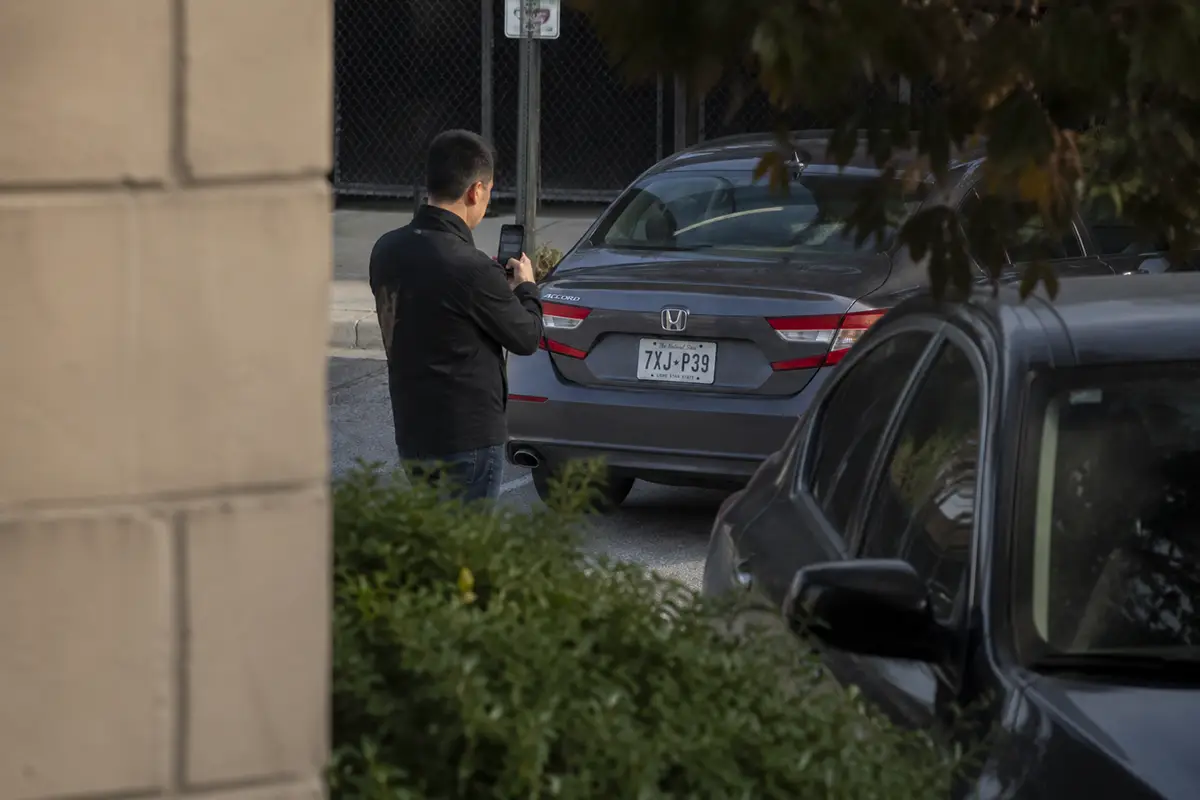

Perhaps you’ve noticed someone taking a picture of your car’s license plate or writing down the information. This type of activity can be unnerving when you think about the broader privacy implications. However, the answer to the question “What can a person do with your license plate number?” might make you feel at ease. Federal law prohibits ordinary citizens from obtaining personally identifying information, like your name and address, through a license plate number. That doesn’t mean a license plate number is completely harmless; there are ways this information can be misused. We’ll explain how to protect yourself and provide an overview of license plate information every car owner should know.
What Federal Law Protects (The Driver's Privacy Protection Act)
The Driver's Privacy Protection Act (DPPA) was enacted in 1994 to protect vehicle owners’ information. This federal law limits who can access personal information that’s stored in state motor vehicle agency records, including license plate data.
Generally, someone needs a legally recognized reason to access information from DMV records, such as:
- Your name
- Home address
- Telephone number
- Social Security number
- Driver's license number
- Medical information
The law also has a permissible-purpose exception that allows law enforcement agencies, insurance companies, certain government agencies, and other entities specifically authorized under the statute to access these details. Knowingly obtaining or disclosing protected DMV information for an unauthorized purpose can result in civil liability and, in some cases, criminal penalties.
What a License Plate Can Actually Reveal
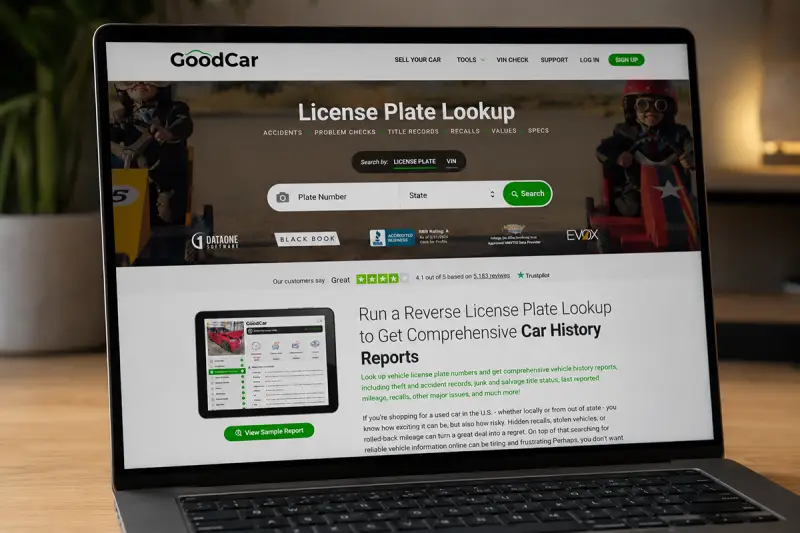
While car owners’ personal information is protected from the general public, vehicle details are not. A license plate lookup, like the free GoodCar tool, can provide:
|
Vehicle Information |
May Be Available |
|
Vehicle make |
Yes |
|
Model |
Yes |
|
Model year |
Yes |
|
Registration state |
Yes |
|
Vehicle Identification Number (VIN) (full or partial) |
Sometimes |
|
Title brands (salvage, rebuilt, flood, etc.) |
Through vehicle history reports |
|
Accident or ownership history |
Through vehicle history reports |
, the information that’s generally available from a basic license plate search is related to the vehicle, not its owner. The ownership history that’s often included in a more comprehensive vehicle history report covers transactions (such as titling, registrations, and ownership transfers), not names.
Who Is Allowed to Look Up a License Plate?
There are two types of license plate lookups. The first is a basic public search that anyone can use to obtain information about the vehicle, not the registered owner. This effort can expand into an optional vehicle history report that provides title status, reported accidents, odometer readings, and ownership activity.
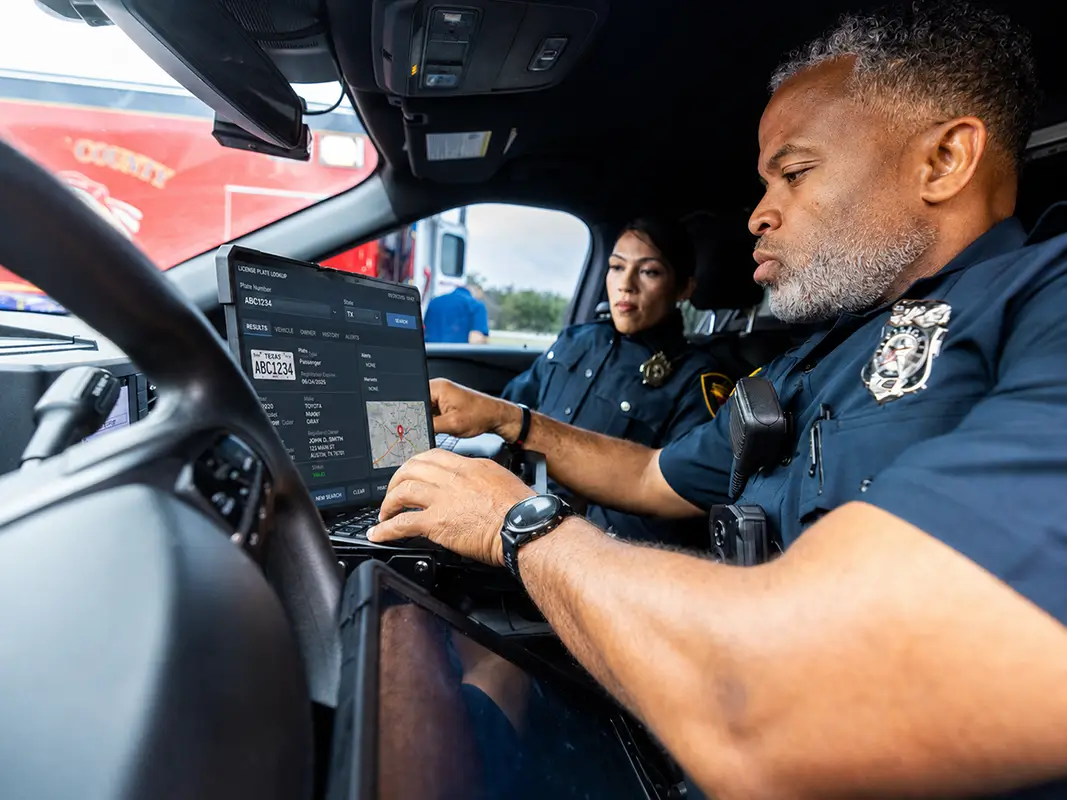
The second type of license plate search falls under the permissible use clause of the Driver’s Privacy Protection Act. These are actions where obtaining private records through a license plate lookup is legal. Examples include a police officer accessing registration records during a traffic stop or criminal investigation, an insurance company investigating a claim, and a government agency accessing DMV records as part of its official duties.

How Someone Could Still Misuse a License Plate
While personal information connected to a license plate is protected, the license plate number itself can be misused.
Phishing and Impersonation Scams
As consumers become more aware of scams, fraudsters are always looking for ways to appear legitimate. One tactic is to include a legitimate-looking license plate number in a fake vehicle listing, making the ad appear more credible and increasing the likelihood that you'll share personal or financial information.
You may also receive a message from someone claiming to be from the DMV or a toll agency that references your vehicle and demands immediate payment of a past-due fine. The Federal Trade Commission advises caution about phone calls, text messages, or emails that attempt to create urgency by requesting immediate payment.
License Plate Cloning
Plate cloning is a serious form of license plate misuse with the potential for severe financial and legal consequences. In these situations, a legitimate license plate is duplicated and placed on another vehicle. This usually occurs to avoid paying tolls, evade traffic cameras, or conceal a vehicle’s real identity.
News reports regularly cover the aftermath of honest owners who have to dispute fines and prove their cars weren’t involved in other infractions. Avoid posting your car’s license plate online, and report the issue to local law enforcement and your state’s DMV if you suspect you’ve been a victim of this crime.
Pattern Tracking in Person
We all have habits. For drivers, this can mean driving to the same locations and through the same neighborhoods regularly. A license plate number makes tracking these routines easier, although extra effort or technology is required. With a pattern in hand, someone with bad intentions may find it easier to stalk a victim, commit burglary, or engage in other criminal activity.
False Reports or Road Rage Retaliation
License plates also make it easy for someone to report a vehicle after a road rage incident or traffic dispute. While many reports are legitimate, someone acting out of anger could exaggerate or fabricate an incident using your car’s license plate as identifying information.
A report, legitimate or otherwise, isn’t usually enough to establish wrongdoing. Investigators will likely still require additional evidence, such as witness statements, dashcam footage, surveillance video, or physical evidence, before the issue is elevated further.
What to Do If You Suspect Plate Misuse
Car owners need to stay vigilant about license plate misuse. Act quickly if you receive a notice about an unpaid traffic violation or toll charge that appears unfamiliar.
Consider taking these steps:
- Keep records of any unexpected parking tickets, toll notices, or traffic citations.
- Report a lost or stolen license plate to your state's DMV and local law enforcement as soon as possible.
- Dispute fraudulent citations by providing receipts, GPS records, dashcam footage, or other evidence showing where your vehicle actually was.
- Report scams involving your vehicle information to the Federal Trade Commission (FTC) and the FBI's Internet Crime Complaint Center (IC3) if the activity appears to involve fraud or identity theft. Contacting the DMV and law enforcement may also be necessary.
Using License Plate Lookups the Right Way (Buying or Selling a Car)
While license plate misuse is real, license plate information serves a very legitimate purpose for consumers shopping for used vehicles. Using GoodCar’s License Plate Lookup is an easy way to learn more about the vehicle. At its most basic, you can usually confirm a car’s make, model, year, and registration state for free. If this information doesn’t align with the seller’s description, it might be time to look elsewhere.
GoodCar’s License Plate Tool also makes it easy to upgrade to a comprehensive vehicle history report to learn about possible title issues, reported accidents, mileage information, and other details that can affect a purchase.
Frequently Asked Questions
Can someone find my address from my license plate?
The average person can’t legally identify someone’s address from a license plate. The Driver's Privacy Protection Act (DPPA) prohibits unauthorized access to personal information contained in state motor vehicle records. However, authorized parties, such as a law enforcement agency, can obtain personal information through a license plate search.
Is it illegal to run someone else's license plate?
It depends on what you mean by “run.” Looking up publicly available vehicle information through a legitimate service is generally legal. However, obtaining protected personal information from DMV records without a permissible purpose violates the Driver's Privacy Protection Act and may result in civil or criminal penalties.
Can police get my personal information from a plate without a warrant?
Yes. Law enforcement doesn’t usually need a warrant to access DMV registration records with personally identifiable information. This activity can occur during a routine license plate check, a traffic stop, or a criminal investigation. The Driver's Privacy Protection Act (DPPA) expressly permits this type of access "for use by any government agency, including any court or law enforcement agency, in carrying out its functions."
Does covering my license plate protect my privacy?
In most jurisdictions, you can cover the license plate if the vehicle is on private property. However, doing the same thing on a public road is illegal in many states. While covering the plate can prevent the number from being read, it can lead to attention from law enforcement and a traffic citation.
What's the difference between a license plate lookup and a VIN lookup?
Both identifiers provide a way to learn more about a vehicle. A VIN lookup uses the vehicle's unique 17-character vehicle identification number, while a license plate lookup starts with the plate number and identifies the associated vehicle before retrieving available records. Either identifier can be used to access a GoodCar Vehicle History Report that covers reported accidents, known title brands, mileage records, ownership records, and other details.