


For many car owners, registration renewals include a notice about emissions testing. Yet, in some states, emissions inspections aren’t necessary at all, while other jurisdictions only require testing for vehicles registered in certain metropolitan areas. Keep reading as we answer the "What is an emissions test?" question. Understanding how the process works before heading to an inspection station can help you avoid unnecessary repairs, delays, or a failed inspection.
Remember that while the U.S. Environmental Protection Agency (EPA) oversees vehicle inspection and maintenance programs established under the Clean Air Act, each state administers its own testing program.
What Is Emissions Testing?
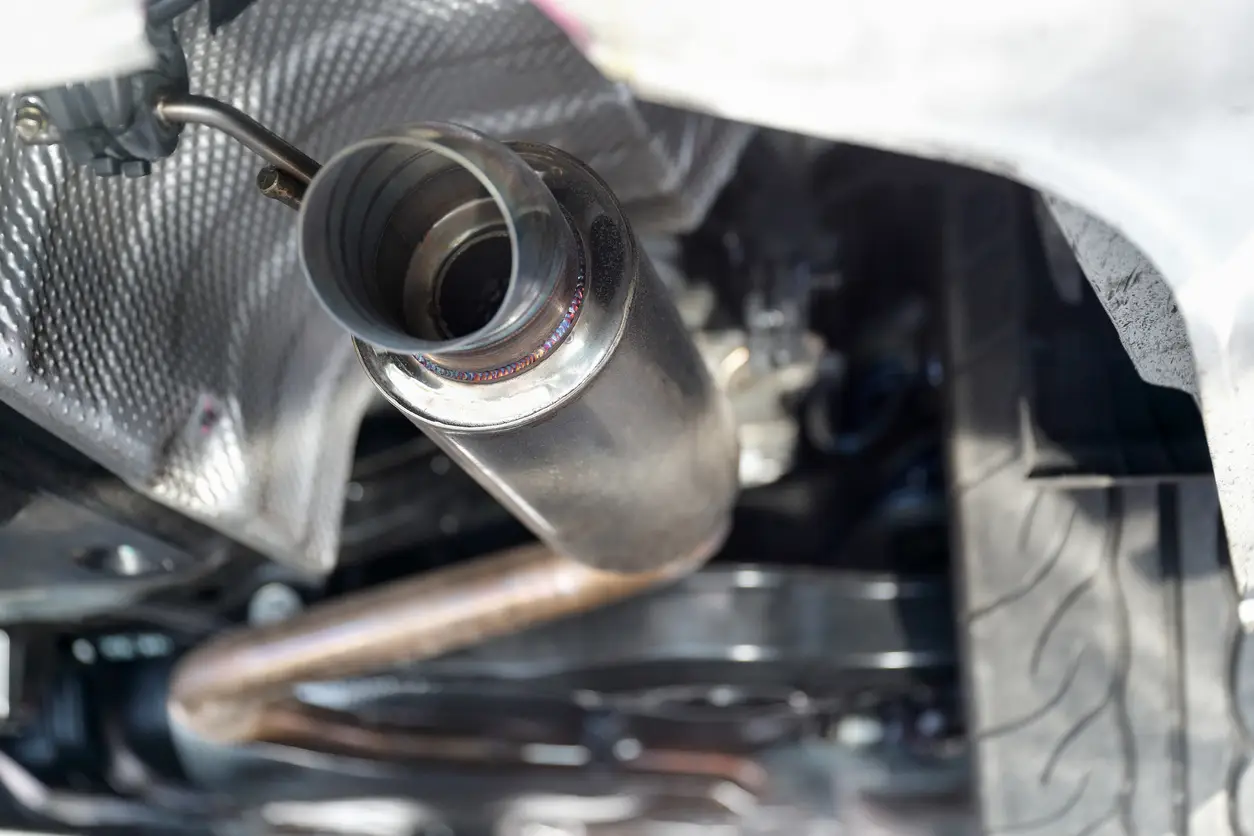
An emissions test determines if your car’s pollution control system is functioning properly and that emission levels fall within the legal standards. Depending on the car’s age and the state’s program, an emissions check may involve a computerized scan, a tailpipe test, a visual inspection, or a combination of these.
While an emissions test focuses on minimizing air pollution, a safety inspection targets critical vehicle components, such as brakes, lights, steering, and tires, which affect the car’s safe operation.
OBD-II Plug-In Check (Most 1996+ Vehicles)
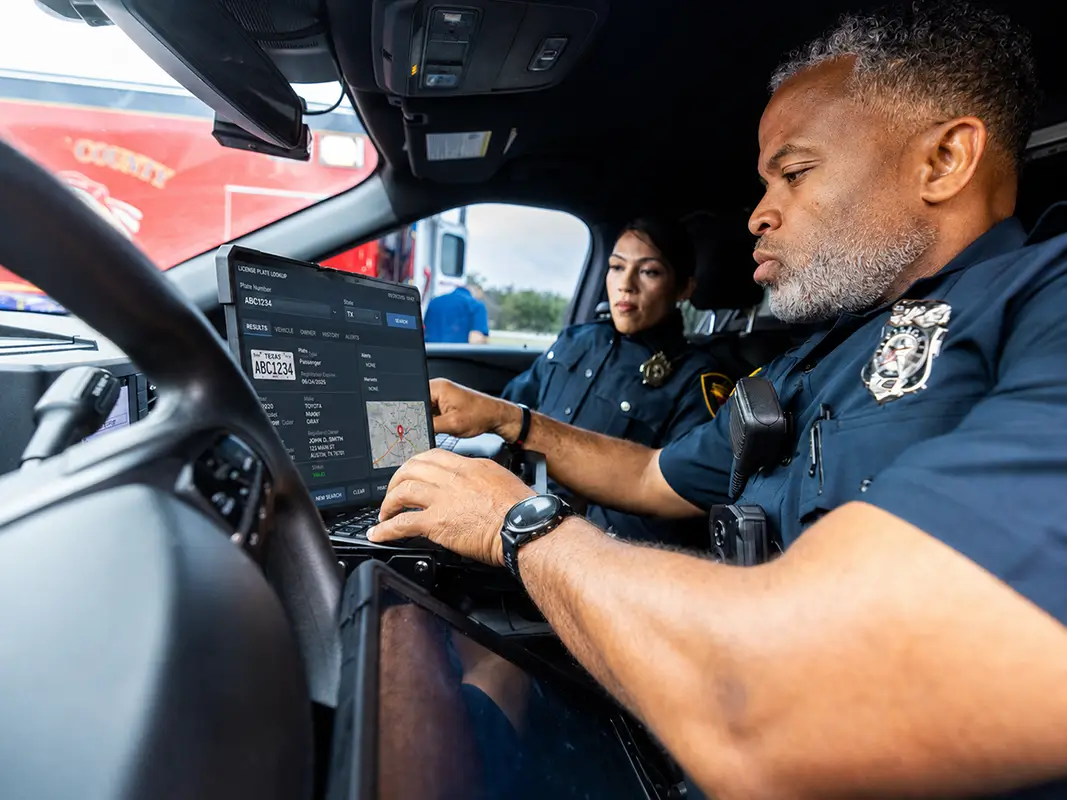
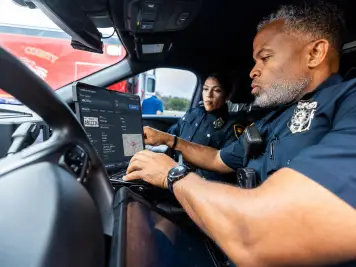
Most gasoline-powered vehicles built since the 1996 model year rely on an OBD-II (On-Board Diagnostics II)-type inspection. A technician connects a scan tool to the car’s OBD-II port to verify that the emissions control system is operating correctly and that no emissions-related diagnostic trouble codes are stored in the system.
This technique bypasses measuring exhaust gases directly and instead relies on the vehicle’s onboard computer to detect problems with the catalytic converter, oxygen sensors, evaporative emissions system, or other emissions controls. An OBD-based inspection usually only takes a few minutes.
Tailpipe/Dynamometer Test (Older Vehicles)
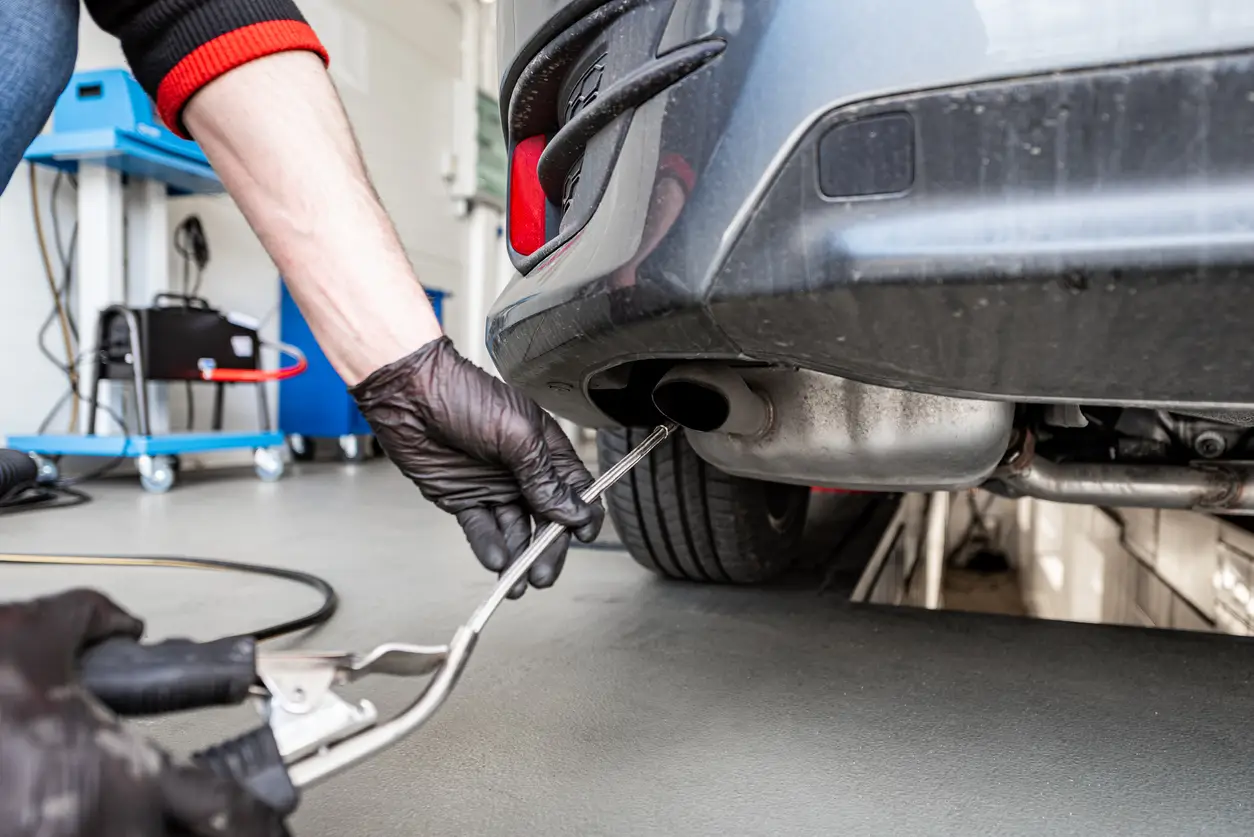
Cars built before 1996 have less sophisticated emissions control hardware and may require a traditional tailpipe test. The vehicle is placed on rollers (a dynamometer), and a probe is placed into the exhaust pipe. This assessment measures pollutants, including hydrocarbons, carbon monoxide, and nitrogen oxides, under simulated driving conditions. These tests usually take longer than a basic scan, but are becoming less common as older vehicles leave the road. Nonetheless, some states still require this testing under certain conditions.
Visual Anti-Tampering Check
Depending on the state, an emissions inspection may include a physical anti-tampering check to verify that required emissions equipment hasn't been removed, disconnected, or modified. Inspectors typically examine components such as the catalytic converter, gas cap, oxygen sensors, and evaporative emissions equipment. Rather than serving as a standalone test, this inspection is often performed alongside an OBD-II or tailpipe emissions test.
What Vehicles Need Emissions Testing?
Each state establishes its own requirements, but emissions testing requirements are often determined by:
- Model year
- Fuel type
- Gross vehicle weight rating (GVWR)
- County or metropolitan area where the vehicle is registered or garaged
At the same time, many states exempt certain vehicles from testing altogether. These carveouts may include:
- New vehicles during their first few model years
- Classic or antique vehicles (often 25 years old or older)
- Fully electric vehicles, which produce no tailpipe emissions
- Motorcycles
- Recreational vehicles (RVs) in many states
These exemptions can vary significantly. For example, Virginia and Maryland exempt certain high-mileage hybrids from emissions testing, while other states test these vehicles like standard gasoline-powered automobiles.
States That Require Emissions Testing
Emissions requirements aren't as simple as a single yes/no answer anymore. Statewide programs can vary in specific metropolitan areas or counties. At the same time, a vehicle’s age, fuel type, registration location, or other factors can determine if emissions testing is mandated or not required. These standards can change, so always verify your state’s current rules before renewing your registration (or buying a vehicle that will need to be registered).
The EPA has links to most state emissions programs, and we’ve summarized the details below for each applicable state.
Statewide Programs
|
State |
Frequency |
Notes / Exemptions |
|
Connecticut |
Every 2 years |
Newer vehicles are exempt for the first four model years; OBD-II for most 1996+ vehicles. |
|
Delaware |
Every 2 years |
Conducted with a vehicle inspection program. |
|
District of Columbia |
Every 2 years |
Required before registration renewal. |
|
Massachusetts |
Annual |
Combined safety and emissions inspection. |
|
New Jersey |
Every 2 years |
New vehicles receive an initial five-year exemption period. |
|
Rhode Island |
Every 2 years |
Emissions inspection performed with a safety inspection. |
|
Vermont |
Annual |
Emissions inspection is included with the annual inspection. |
Metro-Only Programs
|
State |
Frequency |
Notes / Exemptions |
|
Arizona |
Every 2 years |
Applies primarily in the Phoenix and Tucson metropolitan areas. |
|
Colorado |
Varies |
Denver metro and surrounding counties. |
|
Georgia |
Annual |
Applies in the Atlanta metropolitan area. |
|
Illinois |
Every 2 years |
Chicago and surrounding counties. |
|
Louisiana |
Annual |
Applies in Ascension, East Baton Rouge, Iberville, Livingston, and West Baton Rouge parishes. |
|
Maine |
Annual |
Applies only in Cumberland County. |
|
Maryland |
Every 2 years |
Applies in 13 counties and Baltimore City. |
|
Missouri |
Every 2 years |
Applies in the St. Louis metropolitan area. |
|
Nevada |
Annual |
Applies in Clark (Las Vegas) and Washoe (Reno) counties. |
|
New Mexico |
Every 2 years |
Applies only in Bernalillo County (Albuquerque area). |
|
New York |
Annual |
Emissions inspections are part of the state's annual inspection program, with testing methods varying by vehicle type and region. |
|
Ohio |
Every 2 years |
Applies in Cleveland-area E-Check counties. |
|
Oregon |
Every 2 years |
Applies in the Portland and Medford metropolitan areas. |
|
Pennsylvania |
Annual or biennial |
Depends on the county and vehicle type. |
|
Texas |
Annual (with registration) |
Applies only in designated emissions counties. |
|
Utah |
Varies |
Applies in certain Wasatch Front counties. |
|
Virginia |
Every 2 years |
Applies in most Northern Virginia counties and cities. |
States That Don't Require Emissions Testing
The following states currently do not require periodic vehicle emissions testing for passenger vehicles:
|
Alabama |
Kansas |
Nebraska |
Washington |
|
Alaska |
Kentucky |
North Dakota |
West Virginia |
|
Arkansas |
Michigan |
Oklahoma |
Wisconsin |
|
Florida |
Minnesota |
South Carolina |
Wyoming |
|
Hawaii |
Mississippi |
South Dakota |
|
|
Iowa |
Montana |
Tennessee |
Keep in mind that while these states don’t require routine emissions testing, Hawaii and West Virginia still require periodic safety inspections. In addition, Alabama, Florida, Kentucky, and Nebraska mandate VIN verification or a safety inspection for out-of-state vehicles being titled and registered in these jurisdictions.
Why Do Some States Require It and Others Don't?
The differences in emissions testing requirements can be confusing for some car owners, especially those living in states with metro-only programs. The differences are due to the Clean Air Act, which requires vehicle inspection and maintenance (I/M) programs only in areas that don't meet -or have previously failed to meet—federal air quality standards.
As a result, states with large metropolitan areas and persistent air quality challenges, particularly for pollutants like ozone and carbon monoxide, are more likely to require emissions testing than rural states with cleaner air.
That's why emissions programs generally fall into one of three categories:
- Statewide programs, where nearly all qualifying vehicles are tested.
- Metro-only programs that limit testing to counties with air quality concerns.
- No emissions program, where routine testing isn't required because the state doesn't need an EPA-mandated inspection program.
What Happens if Your Car Fails a Smog Test?
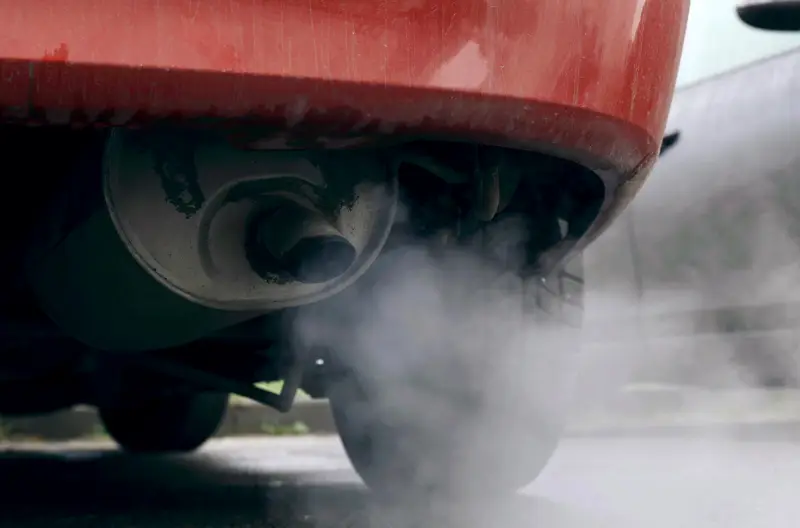
Failing a smog check is a reality, especially for drivers of older cars. Emissions control systems are complex and have numerous potential trouble spots. In most states with a testing program, a failed smog check means the vehicle’s registration can’t be renewed until the problem is repaired and the car passes a retest.
The inspection report usually identifies the cause of the failure, enabling the repair shop to diagnose the problem more easily. Depending on the state, drivers may receive:
- A specified period (often 30 to 60 days) to complete repairs and obtain a retest.
- One or more free or reduced-cost retests.
- A temporary registration extension while repairs are completed.
- A repair-cost waiver if emissions-related repairs exceed a state-established dollar threshold and the vehicle still cannot pass.
How Long Are Emissions Tests Good For?
It’s reasonable to ask, “How long are emissions tests good for?” especially if you’ve recently moved to an area that requires emissions inspections. For applicable states, the answer usually depends on the DMV’s registration cycle. Most of these jurisdictions link testing to the registration renewal process.
For example:
- Most states require emissions testing at the same interval as vehicle registration renewals (annually or every two years).
- New vehicles are commonly exempt during their first few model years.
- Many states exempt antique or classic vehicles that are at least 25 years old, although the qualification age varies.
Where to Get an Emissions Test
The answer to “Where can I get an emissions test?” depends on your state's requirements.
- Find an authorized testing station. Most state DMV or environmental agency websites include an online locator for approved inspection facilities. Testing may be performed at a state-run or state-contracted facility or by an authorized independent inspection or repair shop.
- Know the type of station. Some locations perform testing only, while others also perform emissions-related repairs. Depending on your state, you may be free to choose either type.
- Bring the necessary documents. Requirements vary, but you'll typically need your vehicle registration. Some states may also request identification or proof of insurance.
- Expect to pay a testing fee. Costs vary widely by state and inspection program, but many inspections fall in the $15 to $50 range. Some states regulate the fee, while others allow individual stations to set their own prices.
- If your vehicle fails the inspection, review the report. The report explains why the vehicle failed and what steps are required before a retest. See the section above for more information on repairs, waivers, and retesting.
Frequently Asked Questions
Do I have to get my car tested for emissions before moving to another state?
Not usually. Emissions testing requirements are based on the state where the vehicle will be registered, not on the state where it was registered. However, you may need to complete a required emissions inspection if you’re moving to a state or region with an emissions testing program.
Can I fail an emissions test if my check engine light is on?
In most states, yes. For 1996-and-newer vehicles, an illuminated check engine light usually causes an automatic failure during an OBD-II emissions inspection. The check engine light can be triggered by faults the vehicle's emissions monitoring system has identified, even if the vehicle appears to drive normally. The underlying problem typically must be diagnosed and repaired before the vehicle can pass.
Will disconnecting the battery help my car pass an emissions test?
Usually not. Disconnecting the battery or clearing diagnostic trouble codes resets the vehicle's emissions readiness monitors. Most states require these monitors to complete their self-tests before the inspection can be performed. Resetting the system may actually delay the testing process.
Do diesel vehicles need emissions testing?
It depends on the state and the vehicle. Some states include certain diesel-powered passenger vehicles in their emissions programs, while others exempt diesels altogether or only test heavier commercial vehicles. Check your state's requirements to determine whether a diesel-powered vehicle must be tested.
Can I renew my registration if my emissions test has expired?
In most states with emissions programs, no. A current passing emissions inspection is often required before your registration can be renewed. However, some states offer temporary extensions, waivers, or limited-use permits.