


Indiana Lemon Law

Something that costs thousands, or even tens of thousands of dollars, should come free of significant defects. Therefore, it is essential that we can easily return expensive products, such as defective vehicles.
Lemon laws establish these processes, enabling consumers to report, repair, and return faulty vehicles, while also requiring manufacturers to honor their warranty promises. These laws tend to favor the consumer while also maintaining provisions that prevent fraudulent claims.
Consumers must report a substantially problematic defect within the filing period. The vehicle's type and purpose must also fall within specific categories. This post discusses how to determine whether your vehicle qualifies and outlines every step required to receive compensation.
What Is the Lemon Law in Indiana?
Indiana’s lemon law has positive and negative qualities. Consumers have up to eighteen months to report defective vehicles. This deadline is relatively gracious compared to many other states. However, manufacturers are also allowed more repair attempts before being required to offer compensation, which can prolong the process.
Manufacturers must repair or replace any defective vehicle under the terms of their warranty. If they fail, they must either repurchase or replace the vehicle. However, while the manufacturer may face consequences for ignoring their obligations, the Attorney General's Office cannot seek a remedy for individual consumers.
Lemon owners who do not get their desired result can pursue either arbitration or court action. Indiana requires consumers to go through a manufacturer's arbitration program before pursuing a legal remedy, provided the program has been certified by the Attorney General's Office.
The law applies to new vehicles purchased or leased in Indiana for personal, family, or household purposes. However, not all vehicle types are covered by the lemon law. The following vehicle types are excluded:
- Motorcycles
- Conversion vans
- Motor homes
- Farming equipment
- Vehicles with a gross weight over 10,000 pounds
- Primarily off-road vehicles
How Does Indiana's Lemon Law Work?

Indiana's lemon law outlines the procedures both consumers and manufacturers must follow in the event of a defective vehicle. Consumers must first notify the manufacturer, its agent, or authorized dealer about the defect within the term of protection.
The manufacturer then receives reasonable repair attempts to fix the defect. Indiana states that a manufacturer has had enough chances if the vehicle has gone through four repair attempts or has been held out of service for over thirty business days.
These repairs may extend beyond the term of protection, provided the defect was first reported within that time frame.
If the manufacturer cannot correct the defect within these attempts, the vehicle may be deemed a lemon. In this case, the manufacturer must offer to repurchase or replace the vehicle. Indiana allows the consumer to choose their method of remedy.
Step-by-Step Process
Step 1: Confirm the Vehicle Qualifies
Indiana doesn't cover every vehicle type or defect. These qualifications ensure that vehicles are only returned for severe defects, thereby preventing manufacturers from being burdened with unreasonable or fraudulent complaints.
To qualify, the vehicle must have been purchased or leased in the state of Indiana. It does not matter whether the buyer is a state resident or if the car is purchased used, as long as the original warranty still covers it.
The vehicle must also have been purchased primarily for personal, household, or family purposes. Most conventional four-wheeled vehicle types have coverage, including passenger cars, vans, pickup trucks, and SUVs.
Additionally, to qualify for compensation, a vehicle must display a defect meeting either of the following conditions:
- Defect substantially impairs the vehicle's use, market value, or safety
- Defect causes the vehicle not to conform to the manufacturer's warranty
In most cases, lemons will meet both requirements. For example, consistent brake failure endangers the driver and breaches the vehicle's warranty. Small defects, such as a rattling rearview mirror, do not qualify.
Step 2: Allow Repair Attempts
Once you believe your vehicle qualifies, you must give the manufacturer or dealership a reasonable opportunity to repair the defect. Indiana presumes that a manufacturer has had ample chances in either of the following situations:
- The vehicle has been in repair at least four times
- The vehicle has been held out of service for at least 30 business days
These presumptions set a clear time limit on the manufacturer's leeway with defective vehicles. They cannot continuously pester you about scheduling another repair attempt. However, you should still be aware of these limits so you are not taken advantage of.
All repair attempts must be made at the manufacturer's designated facility to be considered part of their reasonable efforts. It does not matter how many repair attempts occur at your personal mechanic. So, it is best to contact the manufacturer at the first sign of a substantial defect.
The manufacturer must be aware of the defect within the term of protection, lasting eighteen months or 18,000 miles after delivery. However, you do not have to fit all the repair attempts in this period.
Step 3: Send a Written Notice
Once the manufacturer meets either threshold for reasonable repair attempts, you must send the manufacturer a written notice of your claim.
This notice is only necessary if the dealership provided a complete owner's manual at the time of the vehicle's purchase. However, it is recommended to send the letter to prevent the manufacturer from delaying compensation.
The mailing address is located in your owner's manual, but you can also request it from the dealership. You must enclose copies of all repair orders with the notice, which the repair facility is legally mandated to provide after each service.
It is best to use a certified mail service with a request receipt service. This receipt confirms that the manufacturer has seen the notice.
Step 4: Compensation Options
The manufacturer must refund or replace the lemon within thirty days of receiving your written notice. You are allowed to choose which type of remedy you prefer. Many people do not want a replacement due to loss of trust in the manufacturer.
Refunds are paid in full for the original vehicle contract price. This amount will include sales tax, registration fees, excise taxes, finance charges, and options added to the vehicle by the manufacturer.
You must find the replacement vehicle acceptable. The replacement cannot force you into a new refinancing agreement that is not beneficial to you. In most cases, you can ask for the same make and model as the lemon without issue.
The replacement starts a new term of protection; however, this one only lasts for one year or 12,000 miles. The manufacturer must also cover incidental costs associated with the replacement process, including towing and rental costs.
Step 5: Apply for Arbitration or Legal Action
If the manufacturer refuses to pay compensation or believes your vehicle does not qualify, then your next options are arbitration or legal action.
In arbitration, a third party hears arguments from both sides and renders a verdict. The consumer will travel to a reasonably accessible location and present their information to the board, so repair receipts and communication records are vital.
Arbitration is generally faster than going to court and is often more informal. Indiana does not require manufacturers to participate in an Attorney General-certified arbitration program. However, if they choose to participate, then they are bound to the board's decision.
The consumer is not bound to the arbitration board's decision. You may still seek court action, in which case, you must file a claim with your local circuit or superior court.
Whether you choose arbitration or a court claim, it is worth the time to look into bringing on a specialized lemon law attorney. These professionals can help you stay organized and confront the manufacturer with confidence.
Indiana Lemon Law Qualifications
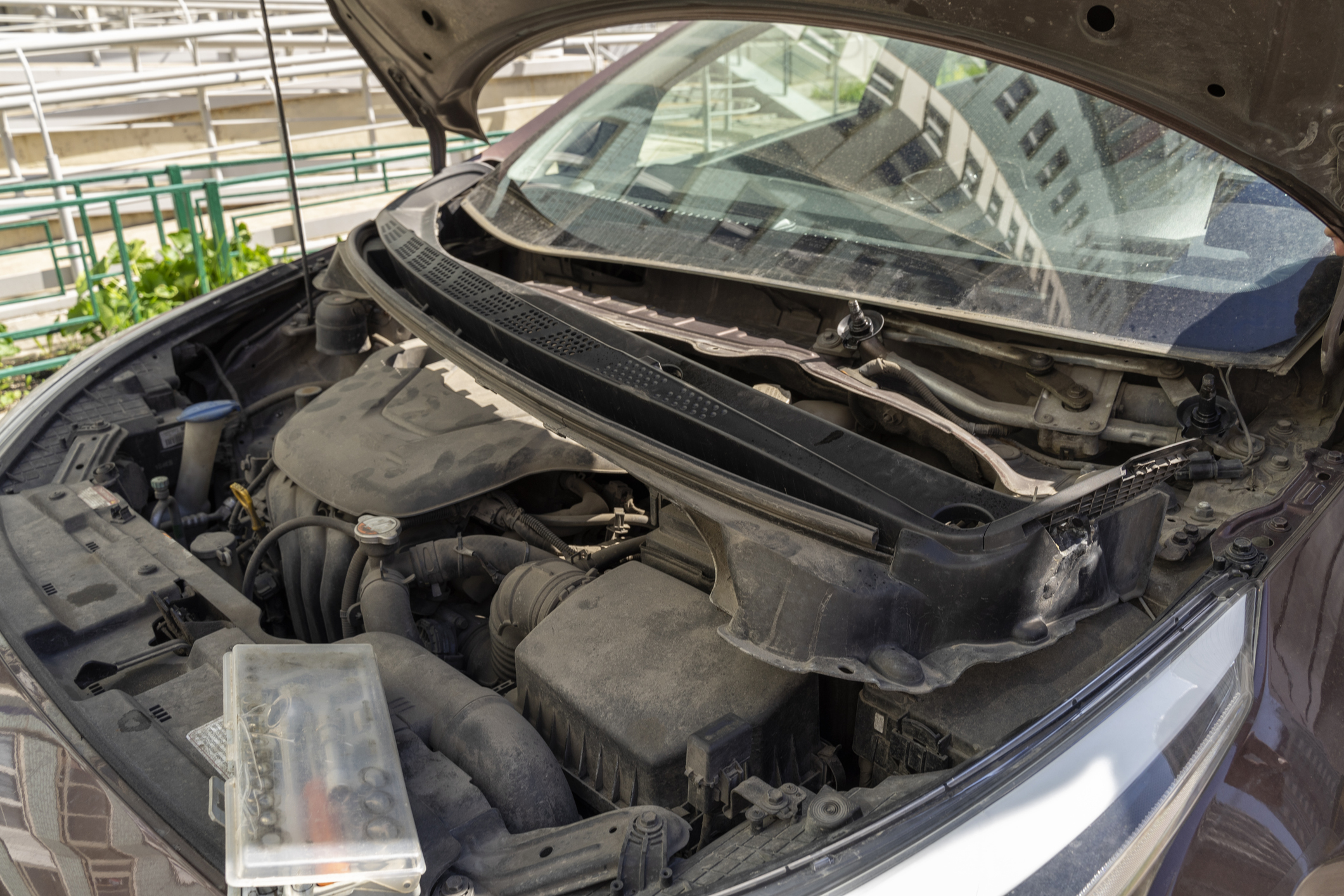
Indiana's lemon law requires that all lemons meet several minimum requirements. These criteria protect manufacturers from having to hand out compensation for every minor complaint a consumer brings up.
The first is that the vehicle must be under the manufacturer's original warranty. Additional protections provided by extended or dealership warranties are not considered in Indiana's lemon law.
Qualifying vehicles must also have a substantial defect. The defect must either breach the manufacturer's warranty or significantly compromise the vehicle's safety, usability, or market value.
Consumers must also complete the proper steps in the lemon law process. These steps involve allowing the manufacturer to make their repair attempts and sending notice of failure to repair. Below is a list of Indiana lemon law requirements:
- Vehicle is a protected vehicle type
- Vehicle was purchased or leased within Indiana
- Defect was reported within the term of protection
- Defect is substantial or infringes on the manufacturer's warranty
- The manufacturer has had a reasonable opportunity to repair the defect
Vehicle Types
The lemon law is a consumer protection act designed to prevent people from losing a consistent means of transportation. The statutes focus on the types of vehicles that most likely serve as primary vehicles, including passenger cars, lightweight trucks, vans, and SUVs.
Indiana also states that the vehicle must be primarily used for family, personal, or household purposes. This requirement means that vehicles purchased for business or resale are not covered.
Reasonable Repair Attempts
Indiana requires that the manufacturer display an inability to repair the vehicle in a reasonable timeframe. Therefore, warranty defects that can be repaired with a simple parts replacement or adjustment will not result in compensation, aside from the covered repair cost.
You must take your vehicle to a manufacturer-approved service facility for the repair to be counted toward the manufacturer's attempts. The manufacturer or dealership will specify a reasonably close location when you first report the defect to them.
There are two presumptions used to determine if a manufacturer has failed to make reasonable repairs.
The first criterion is whether the manufacturer's service facility has inspected the vehicle on four or more occasions. The service facility must provide you with an itemized summary of its work following every repair attempt.
The second presumption for failure is if the vehicle has been in their shop for a minimum of thirty business days. Indiana defines "business days" as all days except Sundays and government-recognized holidays.
The repair receipts will prove when either condition is met. You will send these receipts with your official notice to the manufacturer.
Reported in Time
The manufacturer or one of their agents must be informed of the defect within the term of protection. In Indiana, this period extends until the earlier of the following:
- Eighteen months from the vehicle's delivery date to its original buyer
- 18,000 miles added to the odometer from the mileage at original delivery
The term of protection is purposefully brief to support your claim that a manufacturing error, rather than misuse, likely causes the defect. You do not have to fit all of the manufacturer's repair attempts within this period.
Significant Defects
A defect must substantially damage the vehicle's use, market value, or safety. It is also covered if it breaks the manufacturer's warranty promises.
Most states define a substantial safety defect as any defect that is likely to result in death, severe bodily harm, or fire. Most mechanical control issues, like unresponsive steering or brakes, qualify.
Indiana does not specify a hard number for what constitutes a substantially decreased market value. This is something that a lemon law attorney can help you determine. However, other states have set the threshold at a 10 percent decrease in value.
Term of Protection and Deadlines
Indiana's Lemon Law enforces three key time limits. The term of protection refers to the maximum period during which the consumer may report a substantial defect. This period lasts for eighteen months from the original date of delivery or until the vehicle is driven 18,000 miles.
The term of protection is reduced if you buy a vehicle that has already been returned as a lemon. The dealership is legally required to inform you of the vehicle's previous lemon claim, and that the term of protection is only twelve months or 12,000 miles long.
The second deadline is the time you have to file a claim, whether for arbitration or in court. Lemon law claims are only viable up to two years after the vehicle's original delivery date. This means that you only have up to six months after the term of protection ends to file.
You must complete all reasonable repair attempts, send official written notice to the manufacturer, and file your claim within two years.
The last deadline impacts the manufacturer. Once the manufacturer has received your written notice for their failure to repair, they have up to thirty days to provide compensation. Make sure to keep your return receipt to prove the starting date for this deadline.
Compensation and Remedies Under Indiana Law
Indiana's Lemon Law ensures that consumers are made whole when they are sold a defective vehicle. Manufacturers must either refund the purchase price or provide a comparable replacement vehicle.
Indiana requires manufacturers to pay compensation within thirty days of receiving official notice of the failed repairs. The state also allows you to keep the lemon until the compensation is paid out.
You may choose the remedy option that best suits you. Below is a more detailed description of what both entail.
Refund
In a refund, the manufacturer buys back the vehicle for the full contract sales price. This amount includes any options added to the base vehicle by the dealership, as well as incidental costs like towing and rental vehicles.
Other covered costs include:
- Sales tax
- Registration fee
- Excise tax
A reasonable allowance for use is deducted from the refund amount, based on the vehicle's mileage at the time the defect is reported. The allowance for use is calculated by multiplying the vehicle's mileage by its contract value and dividing the result by 100,000.
Titles that include lienholder interests are split according to those interests. The manufacturer is also responsible for any interest or finance fees that have already been paid toward that arrangement.
Replacement
The manufacturer may offer you a replacement vehicle. They must cover all fees incurred from the registration transfer or sales tax. Additionally, you cannot be forced into a new financing agreement that would create a negative financial obligation for you.
Why Work with an Indiana Lemon Law Attorney

While Indiana's Lemon Law is designed to protect consumers, the process involves significant communication, record management, and strict deadlines that are easily overlooked. Many people will benefit from bringing on an Indiana lemon law attorney.
An experienced attorney will verify that your vehicle qualifies and guide you through the lemon claim process. They are aware of any tricks the manufacturer may attempt and whether they are offering you fair compensation.
Most Indiana lemon law attorneys work on a contingency basis, meaning they only get paid if you win. In successful cases, the manufacturer is responsible for attorney's fees, which makes hiring a lawyer a low-risk decision.
FAQ
Indiana does not exclude used vehicles. However, used vehicles must still be covered by the manufacturer's original warranty to qualify.
Consumers must report the defect within the first eighteen months of ownership or within 18,000 miles, whichever occurs first. However, they must complete the lemon claims process and file a claim for arbitration or court within two years of delivery.
Indiana's Attorney General certifies some arbitration programs. If your manufacturer participates in one of these certified programs, then you must attempt arbitration before filing with the court. You can determine if your manufacturer participates in an arbitration program by checking your owner's manual.
A substantial defect is a problem that significantly impairs the use, safety, or market value of the vehicle. Minor cosmetic or noise issues generally do not qualify for repair.
The manufacturer covers reasonable attorney's fees in a successful case. Lemon law specialists often work on contingency, so you do not pay if they lose your case.
No. Indiana's lemon law covers passenger cars, SUVs, vans, and lightweight trucks. Its statutes exclude motorcycles, motorhomes, vehicles weighing over 10,000 pounds, and vehicles designed primarily for off-road use.
Indiana Resources



FREE Vehicle Search
- Accidents
- Problem Checks
- Title Records
- Recalls
- Values
- Specs


-
 InfoPay, Inc. (dba GoodCar) is an Approved NMVTIS Data Provider
-

-
